Blair's Energy Stance Sparks Outrage Amidst U.S.-Iran Tensions; Oil Prices Surge Past $90
موضعگیری بلر در مورد انرژی خشمها را برانگیخت؛ تنشهای آمریکا و ایران؛ قیمت نفت از ۹۰ دلار گذشت
Former UK Prime Minister Tony Blair's recent comments advocating for increased fossil fuel exploration have been sharply criticized as 'bizarre' and out of touch with the escalating global energy and climate crises. Meanwhile, fresh U.S.-Iran strikes have reignited fears over the Strait of Hormuz, pushing oil prices back above $90 a barrel and casting a shadow over any potential peace efforts.
At time of publishing
USD
173,100
Toman
Gold 18K
18.56M
Toman / gram
Bitcoin
$72,835
US Dollar
Tether
174,251
Toman
Blair's 'Bizarre' Fossil Fuel Stance Amidst Global Crises
Former UK Prime Minister Tony Blair has drawn sharp criticism from energy experts for his recent remarks suggesting a move away from net-zero targets and an increase in oil and gas drilling. Critics, including those at the E3G thinktank, have labeled these ideas as 'bizarre,' particularly in light of the ongoing energy instability and the palpable threat posed by climate change. The timing of Blair's comments, coinciding with record heatwaves and heightened geopolitical tensions in critical energy-producing regions like Iran, further amplifies the perceived disconnect from current global realities.
Experts argue that embracing clean energy is not only a more sustainable path but also a more economically prudent one. They highlight that renewable sources offer stable, low-cost energy, shielding consumers from volatile price spikes often associated with fossil fuels. Furthermore, the pursuit of oil and gas exacerbates the climate crisis, threatening economic collapse and increasing global instability, as evidenced by the current events surrounding Iran and the Strait of Hormuz. The consensus among these experts is that policymakers should disregard such ideological notions and prioritize investments in proven, cost-effective, and environmentally sound energy solutions.
---
U.S.-Iran Strikes Push Oil Prices Past $90, Strait of Hormuz Fears Mount
Fresh military exchanges between the United States and Iran have sent shockwaves through global energy markets, pushing U.S. oil prices back above the significant $90 per barrel threshold. These strikes, occurring amidst already heightened regional tensions, have cast considerable doubt on the prospects for any peace deal and have immediately raised concerns about the security of the Strait of Hormuz, a critical chokepoint for global oil shipments. The renewed conflict threatens to disrupt supply routes and further destabilize an already precarious energy landscape.
The implications for the global economy are substantial. Higher oil prices can fuel inflation, dampen consumer spending, and increase operational costs for businesses worldwide. For Iran, the situation is particularly fraught, with potential for further sanctions and increased economic pressure. The renewed conflict underscores the fragility of the region and its outsized impact on international markets. Investors and policymakers are now bracing for potential summer supply disruptions and increased volatility as the situation remains highly unpredictable. The market's reaction demonstrates a clear risk premium being priced into oil due to the direct conflict and the potential for broader escalation.
---
Ukraine War Dynamics Shift; EU Cites Russian Setbacks
The European Union's chief diplomat has indicated a significant shift in the dynamics of the war in Ukraine, stating that Russia is now on the 'back foot' militarily, economically, and diplomatically. This assessment suggests that Ukraine's strategic position has improved, potentially altering the trajectory of the protracted conflict. The EU's stance implies a growing confidence in Ukraine's ability to resist Russian advances and potentially regain territory.
While the overall sentiment from Brussels points towards a more favorable outlook for Ukraine, the situation remains complex. Reports from within the EU also mention ongoing efforts to resolve outstanding issues, with diplomatic teams working to finalize details on various fronts. The nuanced reporting suggests that while progress is being made, the path to a comprehensive resolution is still challenging. The ongoing diplomatic efforts, however, signal a continued commitment from European partners to support Ukraine and seek a stable resolution to the conflict, even as the battlefield dynamics evolve.

---
Spain's Leader Under Pressure Amidst Corruption Allegations
Spanish Prime Minister Pedro Sánchez is facing mounting pressure to resign following a judicial investigation into his political party. Police have searched the party's offices as part of an inquiry into alleged corruption, sparking widespread calls for accountability and transparency from opposition parties and the public. The allegations threaten to destabilize the current government and cast a shadow over Sánchez's leadership.
The unfolding situation in Spain highlights the persistent challenges of political integrity and governance in European democracies. The investigation underscores the importance of robust legal frameworks and independent judicial processes in addressing corruption claims. As the situation develops, the focus will be on how Prime Minister Sánchez and his party navigate these serious accusations and whether they can regain public trust amidst the ongoing scrutiny. The outcome could have significant implications for the political landscape in Spain and potentially influence broader European political sentiment regarding governance and accountability.

---
Ethereum Dips Below $2,000 Amidst Whales Selling, Retail Stays Bullish
Ethereum (ETH) has fallen below the $2,000 mark, a critical technical level, as large holders, often referred to as 'whales,' have been observed selling their positions. This significant selling pressure from major players suggests a bearish sentiment among those with substantial holdings, potentially signaling further price declines. The breakdown from its prevailing technical pattern indicates a potential move towards the $1,750 level, according to market analysts.
Despite the bearish signals from large holders, retail investors appear to be maintaining a more optimistic outlook. This divergence in sentiment between large and small investors could lead to increased volatility. While retail investors may be betting on a rebound or are less sensitive to short-term price movements, the actions of whales often have a more immediate and pronounced impact on market direction. The situation underscores the complex interplay of market psychology and the influence of significant capital flows in shaping cryptocurrency prices. The recent purchase of $20 million worth of ETH by Bit Digital, which now faces an unrealized loss, further illustrates the current challenging market conditions for even institutional players.
Frequently Asked Questions
What is the current price of USD in Iranian Toman?
Why did U.S. oil prices rise above $90?
What is the main criticism against Tony Blair's recent energy stance?
What is the latest development in the Ukraine war?
What is happening with Ethereum's price?
The Strait of Hormuz: Global Oil's Critical Chokepoint
When headlines speak of U.S.-Iran tensions, rising oil prices, and energy crises, a crucial geographical feature often lies at the heart of the matter: the Strait of Hormuz. This narrow waterway, located between the Persian Gulf and the Gulf of Oman, is not just a strategic passage; it is the world's most important oil transit chokepoint. Understanding its significance is key to grasping the intricate relationship between geopolitics and global energy markets.
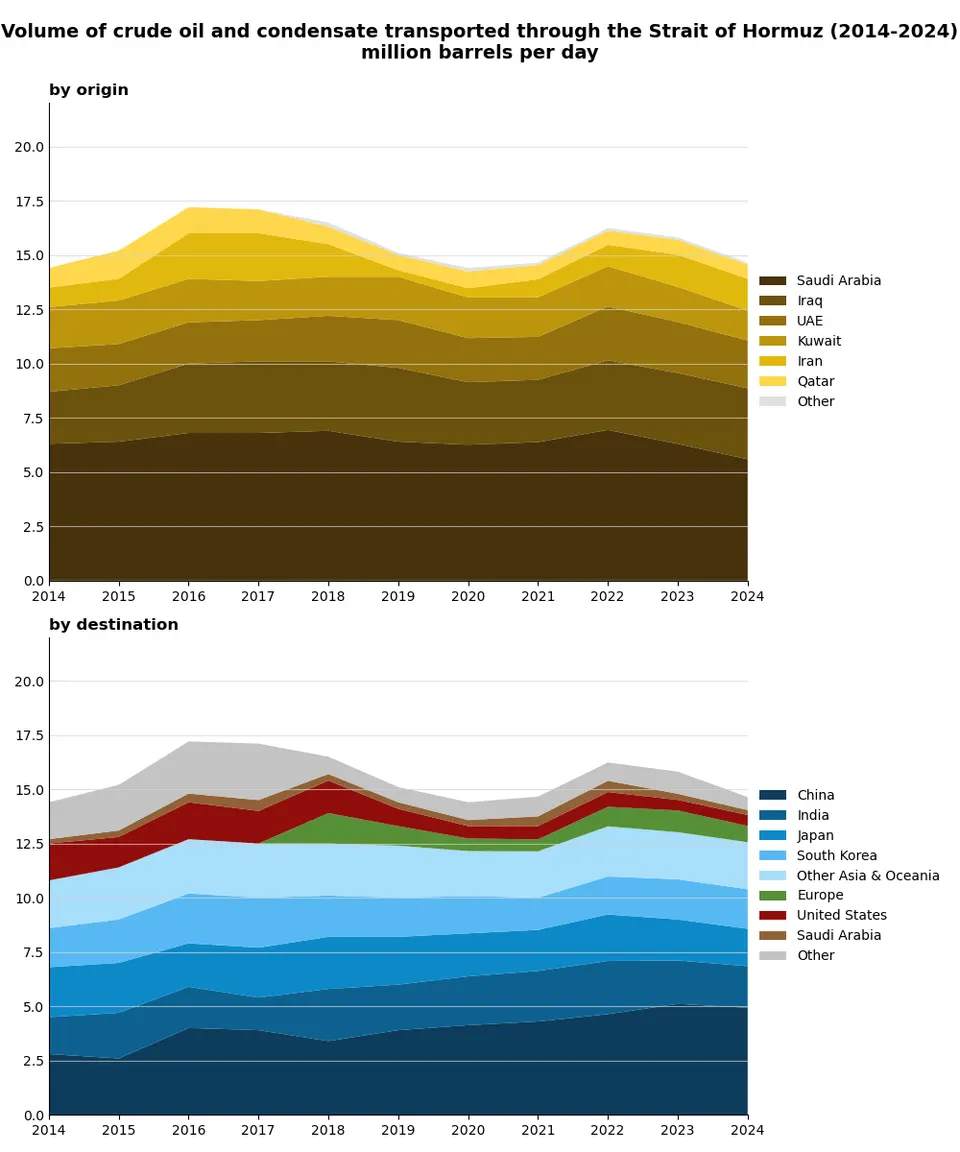
Physically, the Strait of Hormuz is remarkably constrained, measuring only about 21 nautical miles (39 km) at its narrowest point, with shipping lanes just two miles wide in each direction. Yet, despite its modest size, an astonishing volume of the world's seaborne crude oil and refined petroleum products passes through it daily. Estimates from the U.S. Energy Information Administration (EIA) often place this figure at around one-fifth of global petroleum consumption, making it indispensable for major economies in Asia, Europe, and North America.
The Strait's economic importance makes it incredibly vulnerable to geopolitical instability. Any disruption or threat to shipping in this region, whether from military action, sanctions, or even heightened rhetoric, can send shockwaves through global energy markets. Nations like Iran, bordering the Strait, hold a unique leverage point. The mere possibility of a blockade or interference can trigger speculative buying and drive oil prices sharply upwards, as evidenced by historical events and recent tensions.
Therefore, the stability of the Strait of Hormuz is paramount for global energy security. Conflicts far removed, like the war in Ukraine, can indirectly amplify its importance by tightening overall global energy supplies and making every chokepoint more critical. For policymakers and market watchers alike, monitoring developments in and around the Strait of Hormuz remains a constant priority, as its tranquility directly impacts everything from gasoline prices at the pump to the stability of international trade.
Topics
Related Articles