Trump's Iran Peace Draft Sparks Market Rally, Apple Teases ChatGPT Rival
پیشنویس صلح ترامپ با ایران؛ بازارهای جهانی صعودی، اپل رقیب چتجیپیتی را معرفی کرد
Former President Donald Trump has circulated a draft peace agreement between Iran and Israel, sending ripples through global markets and oil prices downward. Meanwhile, Apple is reportedly preparing a significant overhaul of Siri, aiming to compete directly with AI powerhouses like ChatGPT.
At time of publishing
USD
173,100
Toman
Gold 18K
18.77M
Toman / gram
Bitcoin
$72,795
US Dollar
Tether
173,602
Toman
Trump Circulates Draft Iran Peace Deal, Oil Prices Dip
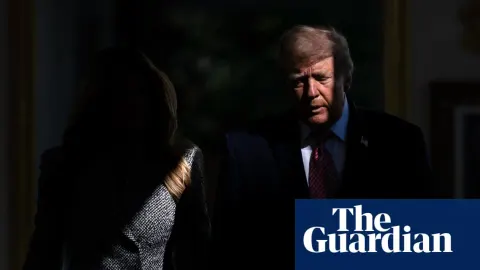
Former U.S. President Donald Trump has reportedly shared a draft peace agreement with allies, including Israel, aimed at de-escalating tensions with Iran. This move comes amidst a fragile ceasefire, with both sides reportedly seeking to prevent breaches that could jeopardize a potential deal. The news has had a tangible impact on global energy markets, with oil prices experiencing a notable decline as the prospect of renewed conflict appears to recede. This development signals a significant diplomatic effort, potentially reshaping regional stability and international relations.

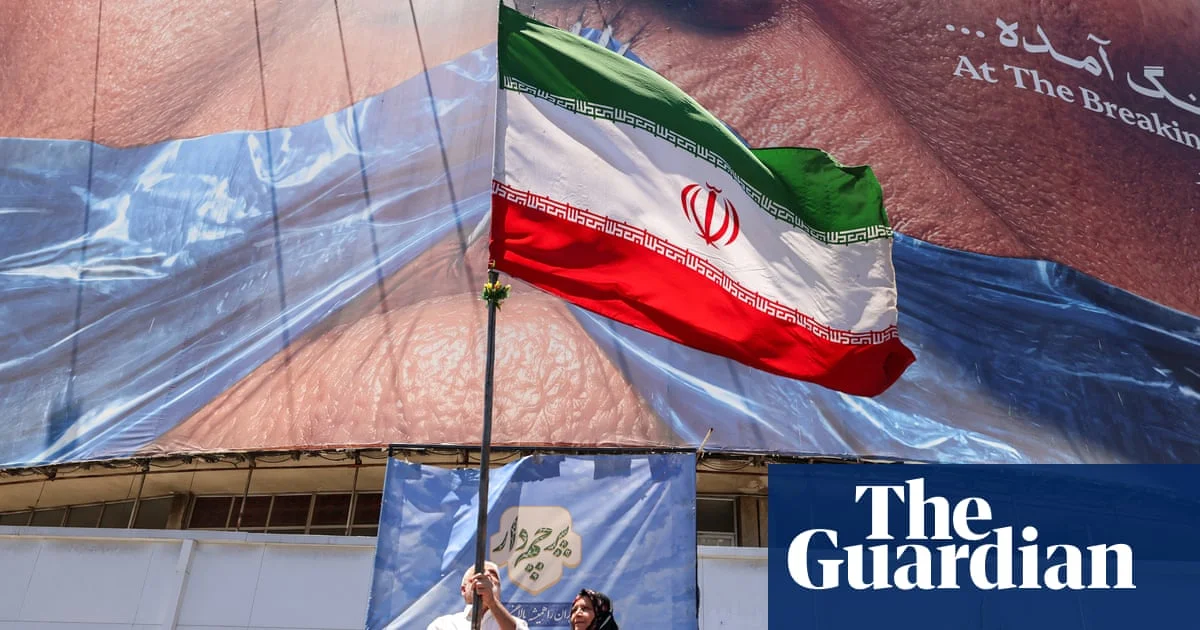
The immediate consequence of this report has been a downward pressure on crude oil prices. As fears of supply disruptions in the Strait of Hormuz diminish, benchmark crude futures have pared earlier gains. This market reaction underscores the sensitivity of oil prices to geopolitical developments in the Middle East. For Iran, such a development could have profound implications, potentially leading to the easing of sanctions, improved trade relations, and a boost in investor confidence, which could, in turn, stabilize the Iranian Toman and reduce inflationary pressures.
---
Apple's Siri Overhaul Aims to Challenge AI Leaders
Apple is reportedly gearing up for a significant AI push with a revamped Siri, aiming to directly compete with established players like OpenAI's ChatGPT. Recent renders and reports suggest a more conversational and capable AI assistant, potentially integrated across Apple's ecosystem with a dedicated app. This strategic move by Apple signifies a clear intent to capture a larger share of the burgeoning AI market, which has seen rapid advancements and intense competition.

The implications for the tech industry are substantial. Apple's entry into this space with a product designed to rival ChatGPT could intensify the AI arms race, pushing competitors to innovate further. For consumers, it promises more sophisticated AI interactions and services. For the market, it could lead to shifts in investment focus and the valuation of AI-centric companies. This development also raises questions about data privacy and the ethical deployment of AI, areas Apple has historically emphasized.
---
## Markets React to Geopolitical Shifts and Economic Data
Global financial markets have shown a mixed but generally positive reaction to the news of potential progress in U.S.-Iran peace talks. U.S. stocks and bonds have rallied, while crude oil prices have fallen from earlier highs, reflecting a decrease in geopolitical risk premium. The U.S. Dollar has seen minor fluctuations, trading from 173,000 to 173,100 Toman (+0.1%) against the Iranian Rial over the past 24 hours. Gold prices, however, have shown resilience, with 18k gold per gram increasing from 18,650,907 to 18,772,334 Toman (+0.7%), indicating a continued demand for safe-haven assets amidst ongoing global uncertainties.
In the cryptocurrency space, Bitcoin has remained relatively flat, trading around $72,795, seemingly uninspired by the geopolitical de-escalation news. This contrasts with the broader market's positive response and suggests that digital assets are currently driven by different factors than traditional markets. The USDT, a stablecoin often used as a proxy for the dollar in Iran, has seen its Toman price at 173,602. The Emami coin, a significant gold denomination in Iran, experienced a slight decrease, moving from 183,000,000 to 182,000,000 Toman (-0.5%) in the last 24 hours, potentially reflecting shifting investor sentiment as geopolitical tensions ease and traditional assets like gold gain favor.
---
Iran: US Base Targeted Amidst Ongoing Tensions
Amidst the diplomatic overtures, Iran has reported targeting a U.S. base with missile strikes, allegedly in retaliation for an earlier strike on Bandar Abbas. This exchange represents the most significant escalation since an April ceasefire and occurs concurrently with ongoing negotiations aimed at ending the broader conflict and reopening the Strait of Hormuz. The situation remains highly volatile, with conflicting narratives emerging from both sides and underscoring the delicate balance of de-escalation efforts.

This military action, regardless of its scale or impact, introduces a layer of complexity to the peace process. While markets may react to the broader narrative of potential peace, such incidents serve as stark reminders of the underlying tensions. For Iran, these actions could be intended to bolster its negotiating position or signal resolve. The international community will be closely monitoring any further escalations or de-escalations, as they have direct implications for regional stability, global energy supply chains, and the broader geopolitical landscape. The market's muted reaction to this specific event, compared to the response to the peace talk news, highlights the current prevailing sentiment favoring de-escalation.
Frequently Asked Questions
What is the immediate impact of Trump's draft peace agreement on oil prices?
How is Apple planning to compete with ChatGPT?
What is the current trend for the Iranian Toman against the USD?
Why did gold prices increase while oil prices decreased?
What is the significance of Iran targeting a US base amidst peace talks?
The Impact of Geopolitical Events on Oil Prices and Global Markets
Geopolitical events, ranging from international treaties and elections to conflicts and sanctions, exert a profound and often immediate influence on global financial markets, particularly the price of crude oil. Oil, often dubbed "black gold," is not merely a commodity; it is a critical input for transportation, manufacturing, and energy production worldwide. Consequently, any event that threatens its supply or demand, especially in major producing regions like the Middle East, can send ripples across the global economy. An "Iran peace deal," for instance, could signal a potential return of Iranian oil to the global market, increasing supply and typically pushing prices down, while escalating tensions would have the opposite effect.
The mechanism through which geopolitics affects oil prices is primarily through supply and demand expectations. Political stability in oil-rich nations ensures consistent production and safe transit routes. Conversely, instability, such as military conflicts or the imposition of sanctions (as seen with Iran historically), can disrupt production, block shipping lanes, or remove significant volumes of oil from the market. Traders react to these perceived changes in future supply, leading to rapid price adjustments. Moreover, the perceived risk premium – an extra cost added to oil prices due to the uncertainty of future supply – often rises during periods of heightened geopolitical tension, even if actual supply disruptions haven't yet occurred.
The volatility in oil prices then cascades into broader global markets. For importing nations, higher oil prices translate into increased costs for businesses and consumers, fueling inflation and potentially slowing economic growth. Central banks might respond by raising interest rates, impacting borrowing costs and investment. For oil-exporting nations, price surges can boost national revenues, strengthening their currencies (like the USD against the IRR, though the IRR is also heavily influenced by sanctions), but also making them vulnerable to price crashes. Conversely, lower oil prices can stimulate growth in importing economies but strain the budgets of exporters.
Understanding this intricate relationship is crucial for investors, policymakers, and consumers alike. The headline mentioning an "Iran peace draft" sparking a market rally highlights how quickly markets price in potential shifts in geopolitical landscapes. These events underscore the interconnectedness of international relations and economic stability, demonstrating that political developments far from a trading floor can have tangible, real-world financial consequences for everyone.
Topics
Related Articles