US-Iran Tensions Simmer as Gaza Ceasefire Extended; Markets Mixed
تنش آمریکا و ایران همچنان پابرجاست؛ آتشبس غزه تمدید شد؛ بازارهای مختلط
The fragile ceasefire between the US and Iran appears to be extended, offering a brief respite from escalating tensions. However, diplomatic efforts are overshadowed by continued exchanges of blame and Israeli military actions in Gaza, impacting regional stability and global markets.
At time of publishing
USD
172,700
Toman
Gold 18K
18.84M
Toman / gram
Bitcoin
$73,498
US Dollar
Tether
173,500
Toman
US and Iran Extend Ceasefire Amidst Tit-for-Tat Exchanges
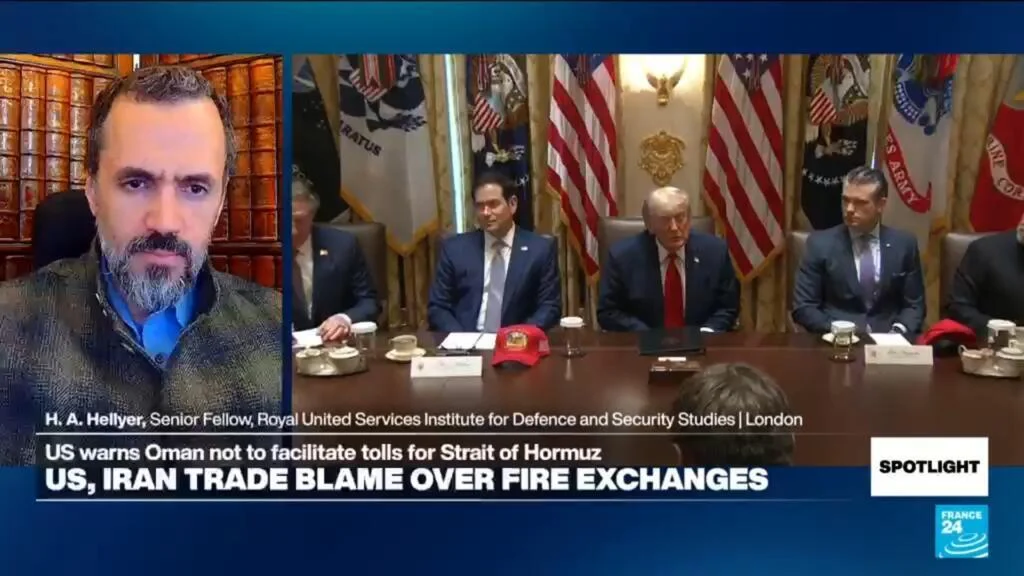
The fragile ceasefire between the United States and Iran has reportedly been extended by 60 days, according to US sources cited by the BBC. This tentative agreement, which still requires final approval from leadership on both sides, aims to de-escalate a situation that has seen recent exchanges of fire. Iran claimed to have targeted a US military base in the region, while the US reported strikes on the Bandar Abbas port. This diplomatic move comes as Pakistan's foreign minister is set to visit Washington, signaling an attempt to mediate and stabilize the volatile regional dynamic.

The implications of this extended ceasefire are multifaceted. For Iran, it offers a potential reprieve from increased military pressure and the possibility of resuming nuclear program talks, as suggested by US sources. However, the ongoing blame game and the US decision to strike Iranian targets indicate that underlying distrust remains high. The market reaction, while not immediate, will likely hinge on the perceived durability of this truce and any subsequent policy shifts. The reader bridge here is clear: any perceived de-escalation, however tentative, can ease pressure on the Iranian Toman and potentially temper inflation expectations, though immediate shifts are unlikely without concrete policy changes.
---
Netanyahu Orders Gaza Strip Seizure, Jeopardizing Ceasefire
Israeli Prime Minister Benjamin Netanyahu has reportedly ordered the Israeli army to seize control of 70% of the Gaza Strip. This directive, delivered while speaking in a West Bank settlement, directly challenges the terms of a US-brokered ceasefire agreement from October, which had established a demarcation line. The move escalates Israeli control within the Hamas-controlled territory, potentially leading to catastrophic humanitarian conditions in an already devastated region. This action comes as Israel has also expanded its offensive into Lebanon, striking Beirut.
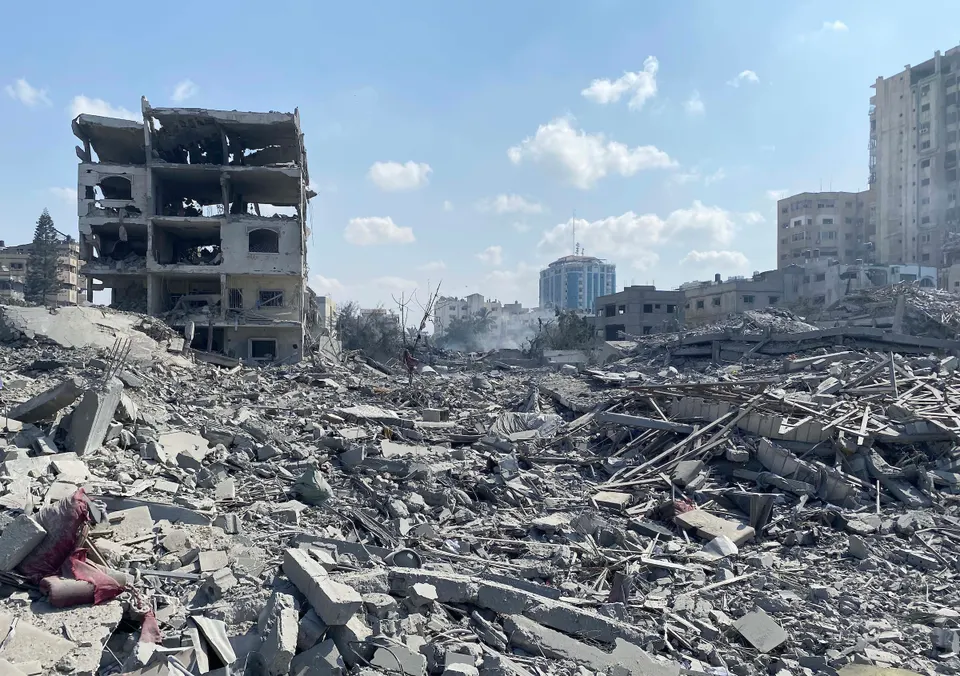
This aggressive posture by Israel not only threatens the fragile ceasefire with Iran but also complicates broader regional stability efforts. The humanitarian crisis in Gaza is likely to worsen, potentially triggering further international condemnation and exacerbating existing geopolitical fault lines. For markets, this signifies a renewed surge in risk aversion. Investors may flee to safe-haven assets, potentially impacting oil prices and creating volatility across currency markets, including the Iranian Toman, which saw a minor dip of 0.2% in the last 24 hours. The reader bridge connects this geopolitical instability directly to economic consequences: increased risk appetite for safe havens could pressure the Toman and gold prices, while continued conflict could disrupt trade routes and increase import costs.
---
Markets Show Mixed Signals Amidst Geopolitical Crosscurrents
Global markets are exhibiting a mixed performance as geopolitical tensions continue to simmer. In cryptocurrency, Tether's USA₮ supply has seen a significant month-over-month increase of 540%, reaching over 140 million tokens, according to Anchorage Digital's latest attestation. This growth in stablecoin supply, backed by U.S. Treasuries, suggests continued demand for digital dollar alternatives. Meanwhile, Bitcoin whale activity is mirroring patterns seen in the 2022 bear market, with analysts noting a pullback that could signal caution among large holders.
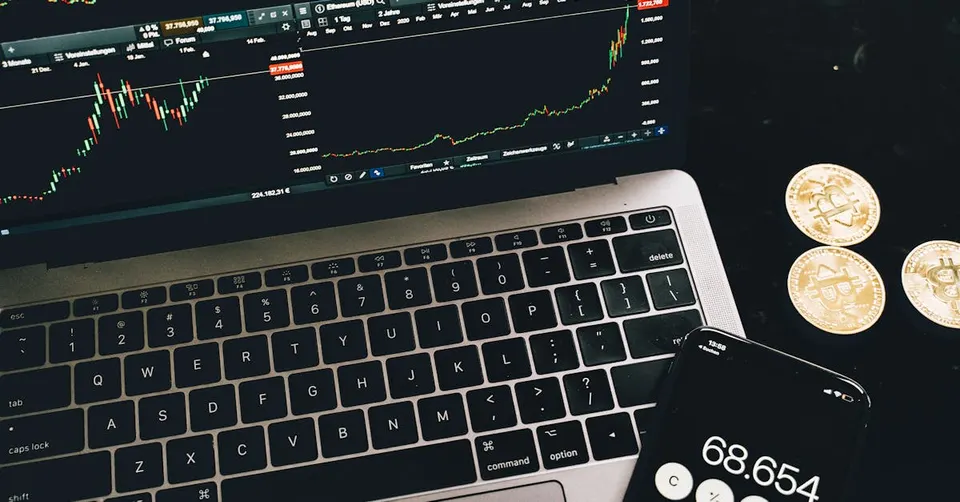
On the commodities front, gold prices have shown resilience, with 18k gold per gram rising 1.0% in the last 24 hours, and the Emami coin seeing a 0.5% increase. This reflects gold's traditional role as a safe-haven asset during times of geopolitical uncertainty. The USD/IRR exchange rate saw a slight decrease of 0.2% in the last 24 hours, moving from 173,000 to 172,700, indicating a marginal strengthening of the Toman against the dollar. However, the broader economic picture remains clouded by the ongoing conflicts and the potential for further escalation, which could quickly reverse these small gains. The reader bridge is direct: while gold and Emami coin prices are up, the slight dip in USD/IRR is a minor positive, but the persistent geopolitical risks mean these gains are fragile and could easily evaporate.
Frequently Asked Questions
What is the current status of the US-Iran ceasefire?
What is Netanyahu's latest directive regarding Gaza?
How are gold prices performing amidst these developments?
What is the recent trend in Tether's USA₮ supply?
What is the recent movement of the USD/IRR exchange rate?
Safe-Haven Assets: A Refuge in Turbulent Times
In an increasingly interconnected yet volatile world, geopolitical tensions frequently send ripples through global financial markets. When headlines speak of simmering conflicts or extended ceasefires in politically sensitive regions like the Middle East, investors and ordinary citizens alike often seek refuge in what are known as safe-haven assets. These are investments that are expected to retain or even increase in value during periods of market turbulence, economic uncertainty, or political instability, offering a perceived sanctuary for capital when other assets might be depreciated.
Historically, gold has been the quintessential safe-haven asset. Its enduring appeal stems from its intrinsic value, universal acceptance, and limited supply, making it a reliable store of value across millennia. During times of crisis, from wars to financial collapses, the demand for gold typically rises as investors flock to its perceived stability, viewing it as a hedge against inflation, currency depreciation, and the erosion of trust in traditional financial institutions. The mention of gold prices alongside Middle East tensions underscores this classic relationship.
More recently, digital assets like Bitcoin and stablecoins such as Tether have emerged as alternative safe havens, particularly in regions experiencing hyperinflation, severe currency depreciation, or strict capital controls. For instance, in countries like Iran, where the national currency (the Toman) has faced significant devaluation due to sanctions and economic pressures, individuals may turn to cryptocurrencies to preserve their wealth, facilitate international transactions, or circumvent official financial channels. While highly volatile, Bitcoin's decentralized nature and limited supply can appeal to those seeking an escape from depreciating fiat currencies, while Tether, pegged to the US dollar, offers a way to hold a more stable value digitally.
Understanding safe-haven assets is crucial for comprehending how individuals and markets react to global instability. Whether it's the traditional allure of gold or the modern appeal of cryptocurrencies, these assets serve as barometers of fear and uncertainty, reflecting a fundamental human desire to protect wealth when the future seems most unpredictable. Their performance often provides a tangible indicator of how deeply geopolitical events are impacting economic confidence and financial behavior worldwide.
Topics
Related Articles