Hormuz Reopening Near as Trump Weighs Peace Deal; Anthropic Valuation Hits $1T Milestone
توافق نزدیک برای بازگشایی تنگه هرمز؛ ارزش آنتروپیک به مرز یک تریلیون دلار رسید
U.S. and Iranian officials are nearing a landmark arrangement to reopen the Strait of Hormuz, potentially ending a period of intense regional maritime blockage. Meanwhile, AI giant Anthropic has reached a staggering $965 billion valuation, signaling a massive shift in the tech landscape.
At time of publishing
USD
172,600
Toman
Gold 18K
18.84M
Toman / gram
Bitcoin
$73,449
US Dollar
Tether
173,479
Toman
The Strait of Hormuz: A Tentative Path to De-escalation
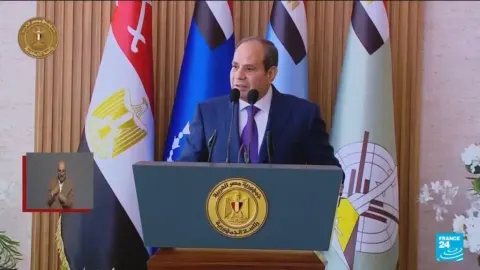
In a significant shift for global energy security and regional stability, U.S. officials have confirmed they are closing in on an arrangement with Iran to reopen the Strait of Hormuz. This vital maritime artery has been the center of intense military and economic friction, leading to a spike in global shipping costs and regional tensions. The emerging framework, while not yet officially signed by President Trump, proposes a 60-day extension of the current ceasefire and the initiation of broader negotiations covering nuclear issues and regional security. For the Iranian market, this news has already triggered a slight cooling in currency volatility, with the USD/IRR rate moving from 173,000 to 172,600 (-0.2%) over the last 24 hours.
However, the path to a final agreement remains fraught with political obstacles. Within the United States, President Trump faces a delicate balancing act between the economic necessity of ending the war before the upcoming midterm elections and the vocal opposition from Republican hawks. Figures like Senator Marco Rubio have expressed concerns that any deal might be interpreted as a surrender to Tehran. Despite these internal rifts, the pressure of mounting economic costs—which some analysts suggest are billions higher than official Pentagon estimates—is driving the administration toward a diplomatic exit. For Iranians, the potential reopening of the Strait represents a glimmer of hope for trade normalization, though the long-term impact on sanctions remains uncertain.
Anthropic Nears $1 Trillion Valuation in AI Power Move
The artificial intelligence sector has witnessed a historic milestone as Anthropic, the creator of the Claude LLM, nears a $1 trillion valuation. A massive $65 billion Series H funding round has propelled the company to a post-money valuation of $965 billion, effectively leapfrogging its primary rival, OpenAI. This surge is attributed to a dramatic three-month revenue spike and increasing enterprise adoption of its AI models. Investors are increasingly viewing Anthropic as the more stable, enterprise-ready alternative in an industry characterized by rapid shifts and leadership drama. This funding round is widely expected to be the company's final private raise before a highly anticipated Initial Public Offering (IPO).
This valuation leap highlights the immense capital concentration within the AI industry's "winners." While many smaller startups struggle to secure secondary funding, the giants are pulling away, creating a bifurcated market. For global markets, Anthropic's success reinforces the narrative that AI is not just a trend but a fundamental shift in economic productivity. The ripple effects are already being felt in the semiconductor and cloud infrastructure sectors, as the demand for the computing power required to train such massive models shows no signs of slowing down. As the company prepares for its IPO, the focus will shift from raw valuation to sustainable profitability and regulatory compliance.
Solar Stocks Surge Amid Tariff Tensions and Energy Shifts
While the geopolitical focus remains on oil routes, the renewable energy sector is experiencing a significant breakout. Solar stocks have surged by 40% year-to-date, with the UBS Solar basket (UBXXSOL) showing a clear technical shift above long-term downtrends. This rally is being fueled by falling yields and the anticipation of a potential Section 232 tariff announcement in mid-to-late June. Companies like First Solar are leading the charge as investors bet on renewed policy momentum and a shift toward domestic clean tech manufacturing. This surge suggests that even amidst regional conflicts, the global transition toward alternative energy sources remains a primary driver for institutional capital.
For the broader economy, the rise in solar valuations acts as a hedge against the volatility seen in the fossil fuel markets. As the Iran war has driven oil prices into unpredictable territory, the relative stability and policy support for renewables have become increasingly attractive. However, the looming tariff decisions also introduce a layer of complexity; while they protect domestic manufacturers, they can also increase the cost of solar installations for consumers. This tension between protectionist trade policies and the need for rapid green energy adoption will be a key theme for the remainder of 2026, influencing everything from utility costs to climate targets.
Iran Ends 88 Days of Digital Darkness
After nearly three months of near-total isolation, Iran has officially reconnected to the global internet. The 88-day shutdown, which was one of the longest in modern history, was implemented following the outbreak of hostilities with the U.S. and Israel. While the reconnection offers some relief to the 90 million citizens who were cut off from the outside world, the digital landscape remains heavily filtered and state-controlled. The shutdown had devastating effects on the domestic digital economy, with thousands of businesses failing and the burgeoning tech sector suffering irreversible losses in human capital and international trust.

The end of the blackout is seen by many as a tactical move by the government to manage public discontent as peace negotiations progress. However, the psychological and economic scars of the "digital darkness" remain. Many Iranians are re-entering a world where their access to information is still mediated by rigorous censorship, and the threat of future shutdowns remains a tool of state policy. For the international community, the duration of this blackout serves as a stark reminder of the vulnerability of global digital connectivity in times of war and the lengths to which states will go to control the narrative during a crisis.
Frequently Asked Questions
How will the reopening of the Strait of Hormuz affect the Iranian Toman?
Why is Anthropic's valuation so high compared to OpenAI?
What caused the 88-day internet blackout in Iran to end now?
Why the Strait of Hormuz Matters for Global Energy Security
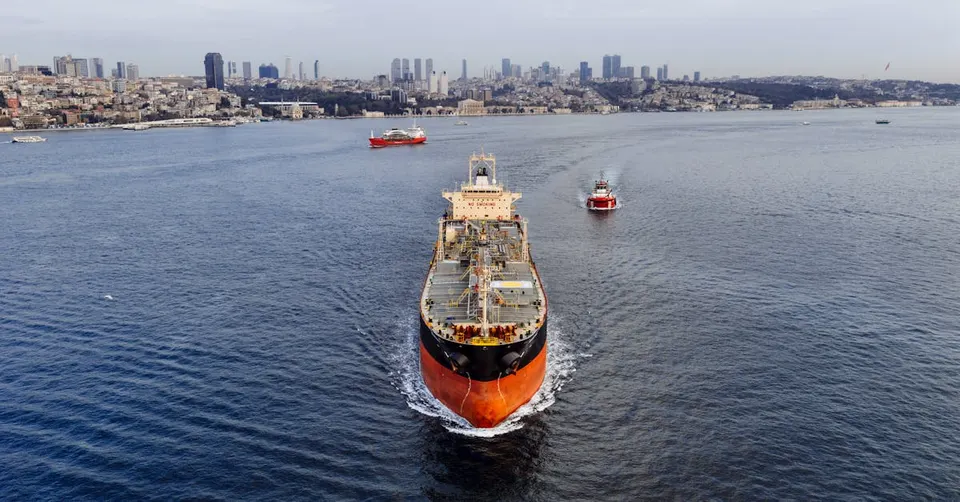
The Strait of Hormuz is a narrow waterway—only about 21 nautical miles wide at its narrowest point—situated between the Persian Gulf and the Gulf of Oman. Despite its modest dimensions, it serves as the world’s most critical maritime chokepoint for oil, with roughly 20‑25 % of daily global petroleum trade passing through its currents each day. Its strategic position means that any disruption, whether from military tension, piracy, or a deliberate closure, can instantly ripple through international energy markets.
Because the majority of the world’s oil‑producing nations in the Middle East—Saudi Arabia, Iran, the United Arab Emirates, Kuwait, and Qatar—rely on Hormuz to ship crude to consumers in Europe, Asia, and the United States, the strait directly influences oil prices. When the waterway is threatened, traders often react by bidding up futures contracts, leading to price spikes that affect everything from gasoline at the pump to airline ticket costs. The International Energy Agency notes that even a single‑day shutdown could shave up to 2 million barrels per day off the global supply, a shock that would reverberate across the entire energy value chain【"Oil Market Report 2023", https://www.iea.org/reports/oil-market-report-2023】.
History provides stark reminders of Hormuz’s volatility. In 2008, Iran briefly seized a Portuguese‑flagged tanker, prompting a brief but intense surge in oil prices. More recently, in 2019, a series of attacks on oil tankers and offshore platforms near the strait caused the price of Brent crude to jump by more than $10 per barrel within hours. Each incident underscores how quickly geopolitical flashpoints can translate into tangible economic costs for consumers worldwide【"Strait of Hormuz", https://en.wikipedia.org/wiki/Strait_of_Hormuz】.
The prospect of a diplomatic breakthrough—such as a U.S.‑Iran peace agreement championed by former President Trump—carries profound implications for energy security. A durable deal that eases sanctions and reduces the risk of military confrontation would likely keep the strait open, stabilizing supply flows and dampening price volatility. Conversely, a breakdown in talks could motivate Iran to threaten a closure as leverage, reminding markets that political risk remains a core component of oil pricing.
For policymakers and investors, the lesson is clear: while diversification into renewable energy and alternative fuels reduces long‑term reliance on any single chokepoint, the immediate reality of today’s energy system still hinges on the safe passage of oil through Hormuz. Monitoring diplomatic developments, naval deployments, and regional security dynamics remains essential for anyone concerned with global energy stability.
Topics
Related Articles