Vance Signals 'Close' US-Iran Deal: Strait of Hormuz Ceasefire Extension Looms as Oil Prices Retrace
سیگنال ونس برای توافق «قریبالوقوع» با ایران؛ بازگشایی احتمالی تنگه هرمز و عقبنشینی قیمت نفت
US Vice President JD Vance indicates a deal to ease shipping restrictions and extend the ceasefire with Iran is nearing completion. Meanwhile, global markets react to a potential trade war between Europe and China as OKX makes a major $53 million play in South Korea.
At time of publishing
USD
172,600
Toman
Gold 18K
18.84M
Toman / gram
Bitcoin
$73,669
US Dollar
Tether
172,851
Toman
The 'Not There Yet' Diplomacy: Vance Teases US-Iran Breakthrough
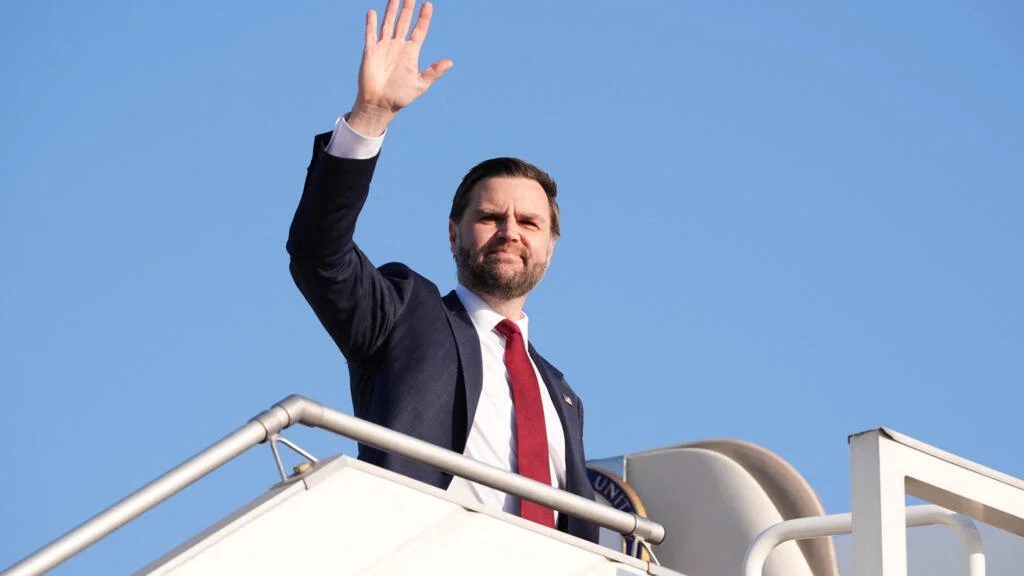
At 10:00 AM Tehran time, the geopolitical landscape is dominated by comments from US Vice President JD Vance, who suggested that while a final agreement with Iran has not been reached, the two nations are "very close." According to reports from the BBC and France 24, the framework for a ceasefire extension and the easing of shipping restrictions in the Strait of Hormuz has been largely drafted. This potential breakthrough comes at a critical juncture, as the global energy market has been on edge regarding the security of the world's most vital maritime oil artery. For Iranian observers, the diplomatic movement is reflected in the currency market's relative calm, with the USD/IRR rate holding steady at 172,600 Tomans, showing no 24-hour delta as traders wait for a definitive signature from the White House. The technical details of the deal appear to focus on a reciprocal de-escalation. If President Trump signs off on the proposal, it would likely involve a formal extension of current ceasefire terms in exchange for a normalization of shipping traffic. This news has already triggered "algo-selling" in the oil markets, with Brent crude futures retreating as traders price in the return of stable supply routes. However, Vance’s cautious phrasing—"not there yet"—indicates that significant hurdles remain, possibly involving the verification of nuclear activities or the specific timeline of sanctions relief. For the average Iranian citizen, this deal represents more than just a geopolitical shift; it is a potential precursor to renewed trade flows and a reprieve from the extreme volatility that has characterized the Toman’s performance over the last several months.
Fortress Europe: The Looming Trade War with Beijing
While the Middle East sees a glimmer of de-escalation, trade tensions are flaring in the West. Europe is reportedly edging closer to a full-scale trade war with China as cheap manufactured goods continue to flood the continent's markets. European regulators are increasingly concerned that the influx of subsidized Chinese electric vehicles, steel, and technology products is hollow out the domestic manufacturing sector. The New York Times reports that the search for a solution has become urgent, with Brussels considering aggressive tariffs that could reshape global supply chains. This shift is significant because it suggests a pivot away from the globalization of the early 2000s toward a more protectionist, "Fortress Europe" economic model. For global investors, this trade friction introduces a new layer of risk. If Europe follows the US lead in decoupling from Chinese supply chains, the result could be higher structural inflation as companies move production to more expensive regions. This environment typically favors safe-haven assets, yet gold has remained remarkably stable today, with the 18k gram price holding at 18,841,128 Tomans. The lack of movement suggests that the market is currently more focused on the potential US-Iran deal than the slow-burning trade conflict in the East. However, any formal announcement of tariffs from the EU could quickly send shockwaves through the industrial and automotive sectors, impacting everything from commodity prices to logistics costs.
Crypto’s Strategic Pivot: OKX Bets Big on South Korea
In the digital asset space, the focus has shifted from price action to institutional infrastructure. OKX Ventures has announced a massive $53 million investment to acquire a 20% stake in Coinone, one of South Korea's premier crypto exchanges. This move is part of a broader trend where global giants are seeking regulated entry points into the lucrative Korean market, following Binance’s earlier acquisition of Gopax. The investment is specifically targeted at expanding Coinone’s capabilities in stablecoins and tokenized securities (STOs), indicating that the next phase of crypto growth will be defined by the integration of traditional financial assets onto the blockchain. Despite this positive institutional news, Bitcoin remains under pressure, trading at $73,669 as a massive $9 billion options expiry looms this Friday. Analysts suggest that "bears" currently hold the upper hand, with heavy ETF outflows and corporate selling keeping the price from breaking the $74,000 resistance level. For Iranian crypto traders, who often use USDT as a hedge against local currency fluctuations, the stability of the Tether rate at 172,851 Tomans provides a predictable entry point. While the broader market remains sideways, the aggressive expansion of firms like OKX into South Korea suggests that the long-term outlook for the sector remains robust, even if short-term volatility persists due to regulatory uncertainty and large-scale derivative settlements.
AI Agents and the New Corporate Identity
Technological innovation continues to drive equity markets, with Okta and Meta making headlines for their advancements in AI-agent management. Okta recently reported an earnings beat, fueled by the growing demand for "AI-agent identity management." As companies deploy autonomous AI agents to handle customer service, logistics, and data analysis, the need to secure these digital identities has become a multi-billion dollar opportunity. This represents a shift from simple chatbots to functional digital employees that require the same level of security and oversight as human staff. This trend is a clear signal that the AI boom is moving from the "experimental" phase into deep corporate integration. Meanwhile, Meta is pushing forward with its hardware ecosystem, offering new promo codes for its Quest 3 and Ray-Ban AI glasses. While these might seem like consumer gadgets, they are the front-end interfaces for the very AI agents Okta is securing. The convergence of wearable AI and secure enterprise identity suggests a future where the line between digital and physical labor becomes increasingly blurred. For the tech-savvy investor, this sector remains the primary engine of growth in an otherwise uncertain global economy. As these technologies mature, they will likely drive productivity gains that could eventually offset the inflationary pressures currently seen in the global trade and energy sectors.
Frequently Asked Questions
Why is the Strait of Hormuz deal significant for the Toman exchange rate?
What does OKX's $53M investment in Coinone mean for global crypto regulation?
How does a potential Europe-China trade war affect global inflation?
Why the Strait of Hormuz Matters: The World’s Most Critical Oil Chokepoint
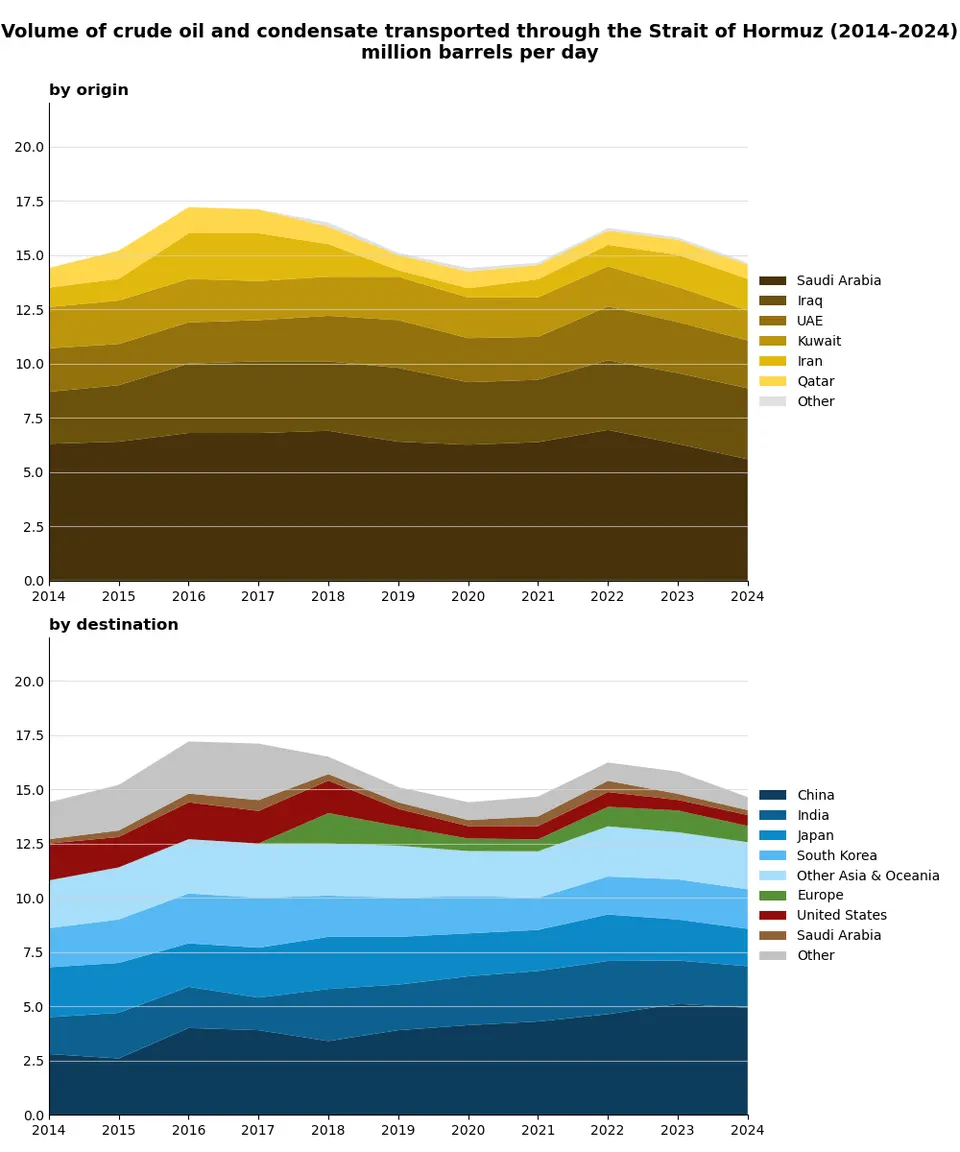
The Strait of Hormuz is a narrow waterway, only about 21‑nmi wide at its narrowest point, that links the Persian Gulf with the open ocean. Despite its modest size, it handles roughly 20‑30% of global petroleum liquids—including crude oil, condensate, and refined products—making it a linchpin of the world energy system. Because almost all oil exports from Saudi Arabia, Iraq, Kuwait, the United Arab Emirates and Iran must pass through this corridor, any disruption instantly reverberates through international oil markets, often spiking prices within hours.
Geopolitically, the strait sits at the intersection of rival regional powers and global superpowers. Iran, which controls the northern shore, has repeatedly threatened to close the passage in response to sanctions or perceived aggression, while the United States maintains a naval presence to guarantee freedom of navigation. Historical flashpoints—such as the 1987‑88 “Tanker War” during the Iran‑Iraq conflict and the 2019 seizure of the oil tanker Kokuka—demonstrate how quickly a diplomatic dispute can translate into a maritime security crisis, prompting rapid diplomatic maneuvering and, at times, cease‑fire agreements.
The economics of a cease‑fire or “temporary closure” are stark. A single day of reduced flow can shave $2‑3 billion off daily oil revenues for Gulf exporters and push Brent crude up by several dollars per barrel. Traders therefore watch diplomatic signals—like JD Vance’s recent remarks on a possible US‑Iran deal—as proxies for the strait’s operational status. When political actors signal a “close” to negotiations, markets often price in a lower risk premium, causing oil prices to retrace from earlier spikes.
Understanding the strait’s role also clarifies why exchange‑rate dynamics, such as the USD/IRR (Iranian rial) rate, are sensitive to Hormuz tensions. A perceived threat to oil exports can weaken the rial, prompting capital flight and inflating the dollar‑denominated price of Iranian imports. Conversely, a stable or de‑escalated environment can bolster investor confidence, narrowing the USD‑IRR spread.
In short, the Strait of Hormuz is more than a geographic pinch point; it is a barometer of geopolitical risk, a driver of oil price volatility, and a catalyst for broader economic effects ranging from currency markets to global trade flows. Keeping an eye on diplomatic developments—whether a cease‑fire, a new US‑Iran agreement, or naval posturing—offers a practical lens for anticipating shifts in the energy landscape.
Topics
Related Articles