Trump’s Deportation Surge Amid War Threats as Hormuz Peace Deal Hangs in Balance
اخراج دستهجمعی ایرانیان توسط ترامپ همزمان با تزلزل در توافق صلح هرمز
The Trump administration faces backlash for deporting thousands to high-risk zones just as a fragile 'Memorandum of Understanding' for the Strait of Hormuz faces conflicting reports from Tehran and Washington.
At time of publishing
USD
172,600
Toman
Gold 18K
18.94M
Toman / gram
Bitcoin
$73,500
US Dollar
Tether
172,999
Toman
The Deportation Paradox: 21,000 Sent to Danger Zones
In a move that has sparked international outrage, the Trump administration has reportedly deported over 21,000 individuals to countries the U.S. State Department explicitly warns its own citizens never to visit. Among these deportees were at least 18 Iranians who were sent back to their home country in late January, just days before American and Israeli airstrikes began targeting regional infrastructure. This aggressive campaign marks the first time in recent history that the U.S. has deported Iranians in such large numbers, despite the ongoing military conflict and severe human rights concerns. Critics argue that the policy is a glaring contradiction, as the administration justifies military action based on the 'dangerous nature' of the regime while simultaneously forcing civilians back into that very environment.
The human cost of these policies is becoming increasingly visible. Of the 21,000 deported, the overwhelming majority had no criminal convictions, and at least 600 were children. This surge in enforcement reflects the broader 'America First' priority of the current administration, which has prioritized border hardening even as it expands its military footprint in the Middle East. For Iranian families living in the U.S., this creates a climate of extreme fear, as the threat of deportation now looms alongside the threat of active warfare. The timing of these deportations—occurring right as carriers were being staged for strikes—suggests a lack of coordination between immigration enforcement and diplomatic safety protocols.

The Hormuz Stalemate: Conflicting Signals on a Ceasefire
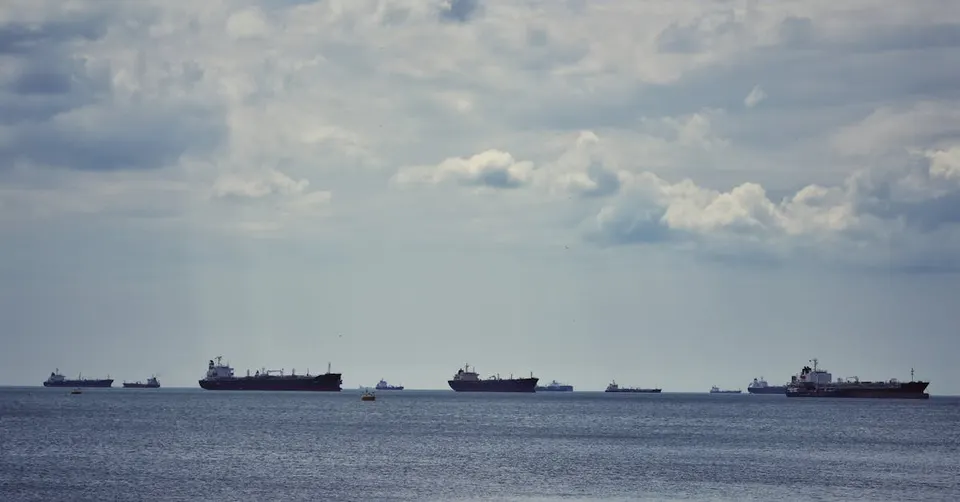
Negotiations to end the blockade of the Strait of Hormuz have reached a critical and confusing juncture. While the White House suggests that a 'Memorandum of Understanding' (MoU) is nearly finalized, officials in Tehran have been quick to deny that any final text has been agreed upon. The proposed deal aims to extend the current fragile ceasefire for 60 days, providing a window for long-term peace talks and the resumption of global shipping through the world's most vital energy artery. However, the disconnect between Washington’s optimism and Tehran’s caution suggests that major hurdles, particularly regarding the lifting of secondary sanctions and the verification of nuclear commitments, remain unresolved.
For the Iranian economy, the stakes of this MoU cannot be overstated. The anticipation of a deal has kept the domestic currency market in a state of suspended animation. At 14:00 Tehran time, the USD/IRR exchange rate remained unchanged at 172,600 (+0.0%), reflecting a market that is waiting for a definitive signal before moving. If the deal collapses, analysts expect a sharp devaluation of the Toman as the reality of a prolonged blockade sets in. Conversely, a signed agreement could lead to a temporary relief rally, though the underlying structural issues and the threat of renewed hostilities continue to weigh heavily on investor sentiment.
Regional Escalation: Beirut Strikes and Safe Haven Assets
Despite the talk of ceasefires in the Persian Gulf, the broader region remains a powderkeg. Israel has recently widened its offensive in Lebanon, launching a deadly strike near Beirut that killed a woman and two children. This escalation comes at a particularly sensitive time, as military delegations from both Lebanon and Israel are scheduled to meet at the Pentagon this Friday for U.S.-brokered talks. The strike near the Lebanese capital suggests that the conflict is far from contained, and the risk of a multi-front war involving regional proxies remains high. This volatility is directly impacting market behavior, driving investors toward safe-haven assets.
In the domestic Iranian market, gold has responded to these rising tensions. Gold 18k/gram rose from 18,841,128 to 18,936,469 (+0.5%), a clear indication that local investors are hedging against further regional instability. Meanwhile, on the global stage, Saudi Arabia is reportedly preparing to slash official selling prices for its crude oil for the Asian market. This move reflects a weakening demand outlook and an attempt to maintain market share amid the chaos. As China's export prices also see a significant jump due to the previous oil price shocks, the global economy is caught in a pincer movement between rising manufacturing costs and geopolitical supply risks.
Frequently Asked Questions
Why is the US deporting Iranians while planning military strikes against the country?
What are the main sticking points in the proposed 60-day Hormuz ceasefire?
How did the Beirut airstrike impact the Iranian financial markets today?
Topics
Related Articles