CIA Official's Gold Heist, Trump's Iran Decision, and Philippines Crude Imports Dominate Briefing
سرقت طلای مقام سیا، تصمیم ترامپ درباره ایران و واردات نفت فیلیپین در صدر خبرهای امروز
A senior CIA official faces accusations of stealing $40 million in gold bars, while President Trump is set to make a 'final determination' on a proposal concerning Iran and the Strait of Hormuz. Meanwhile, the Philippines has received its first Iranian crude oil cargo since the blockade, signaling shifts in regional energy flows.
At time of publishing
USD
171,900
Toman
Gold 18K
19.06M
Toman / gram
Bitcoin
$73,577
US Dollar
Tether
168,010
Toman
CIA Official Accused of $40 Million Gold Heist
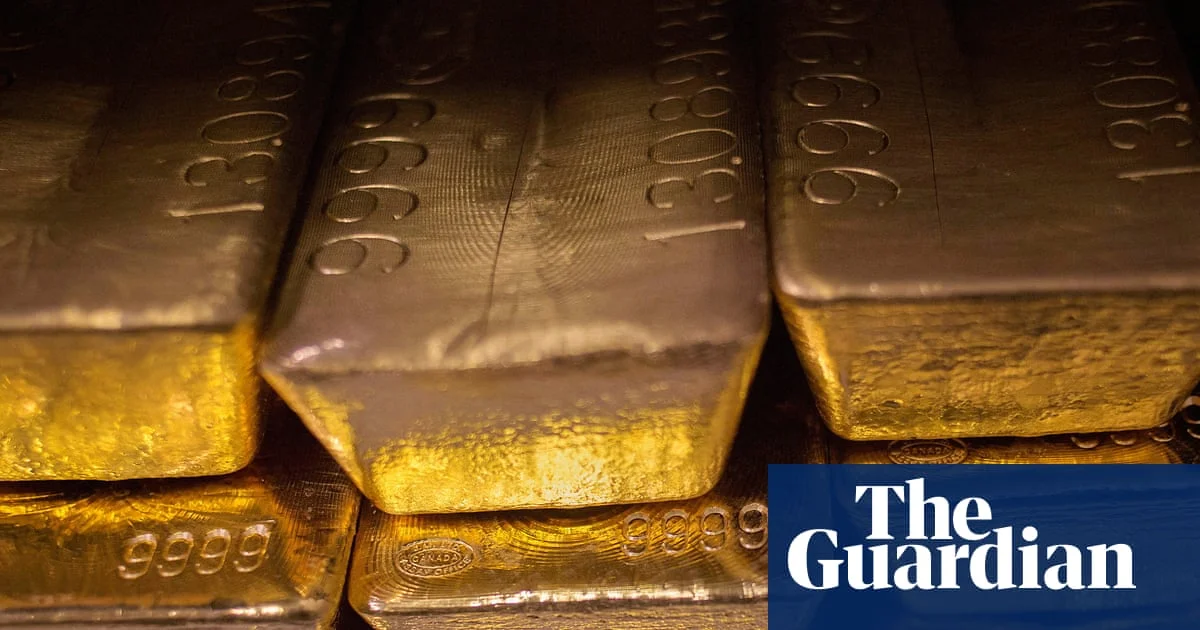
In a stunning development, a senior official within the U.S. Central Intelligence Agency (CIA) has been accused of stealing approximately $40 million worth of gold bars and foreign currency from agency facilities. David Rush, identified as a former executive service-level employee, allegedly absconded with 303 gold bars, each weighing a kilogram, along with over $2 million in various currencies. The FBI affidavit details how these valuable assets were reportedly concealed at his residence, leading to his arrest and detention.
This unprecedented accusation against an intelligence operative raises serious questions about internal security protocols and oversight within one of the U.S.'s most sensitive agencies. The trial, initially slated for Friday, has been postponed to the following week, adding to the ongoing legal and investigative proceedings. The potential implications for national security and public trust are significant, particularly given the sensitive nature of the agency's work and the substantial value of the stolen goods. This incident casts a shadow over the agency's operations and could lead to a rigorous review of security measures and personnel vetting processes.
---
Trump Set for 'Final Determination' on Iran Proposal, Strait of Hormuz De-escalation Looms
President Trump announced via social media that he is poised to make a 'final determination' regarding a significant proposal concerning Iran. This development is closely linked to the ongoing situation in the Strait of Hormuz, with reports suggesting Trump is ready to lift the naval blockade, contingent on Iran agreeing to certain concessions. The exact nature of these concessions remains undisclosed, but the potential de-escalation in the vital shipping lane could have substantial global economic ramifications.
The announcement comes amid ongoing diplomatic maneuvers and signals a critical juncture in U.S.-Iran relations. While Iran has not officially confirmed any commitments, the prospect of a de-escalated Strait of Hormuz, a crucial artery for global oil trade, has already begun to influence market sentiment. Oil prices have seen a notable weekly collapse, with Brent crude experiencing its largest drop in two months, as markets price in the possibility of a 60-day ceasefire extension and a temporary navigation deal. This geopolitical chess match directly impacts energy markets, global trade routes, and international political stability.
---
Philippines Receives First Iranian Crude Cargo Since Blockade
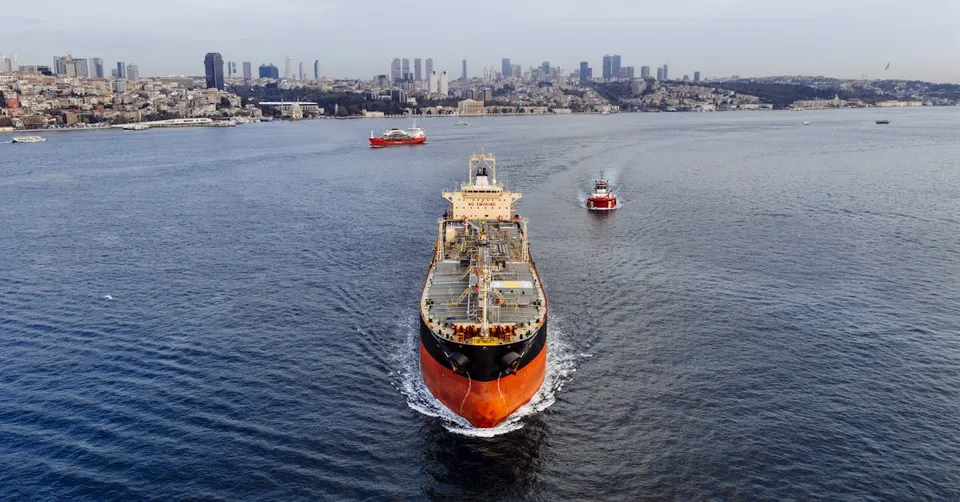
The Philippines has received its first shipment of crude oil from Iran since the imposition of blockades, marking a significant development in regional energy trade. The cargo, transported by a Suezmax vessel that departed Iran's Kharg Island in late March, underwent a ship-to-ship transfer before reaching the Bataan refinery in mid-May. This delivery is notable as it represents the first Iranian crude to reach the Philippines, a nation that has been considerably impacted by global energy price shocks.
This event signals a potential easing of restrictions or a shift in compliance strategies regarding Iranian oil exports, particularly within Asian markets. For the Philippines, securing this crude cargo could offer some relief from volatile global energy prices, though the broader implications for international sanctions and energy market dynamics will continue to be closely monitored. The successful delivery underscores the complex web of global energy flows and the persistent demand for oil, even amidst geopolitical tensions and sanctions regimes. It also highlights the resilience of supply chains and the adaptive strategies employed by nations seeking to ensure energy security.

---
Araqchi and Omani Counterpart Discuss Hormuz Management
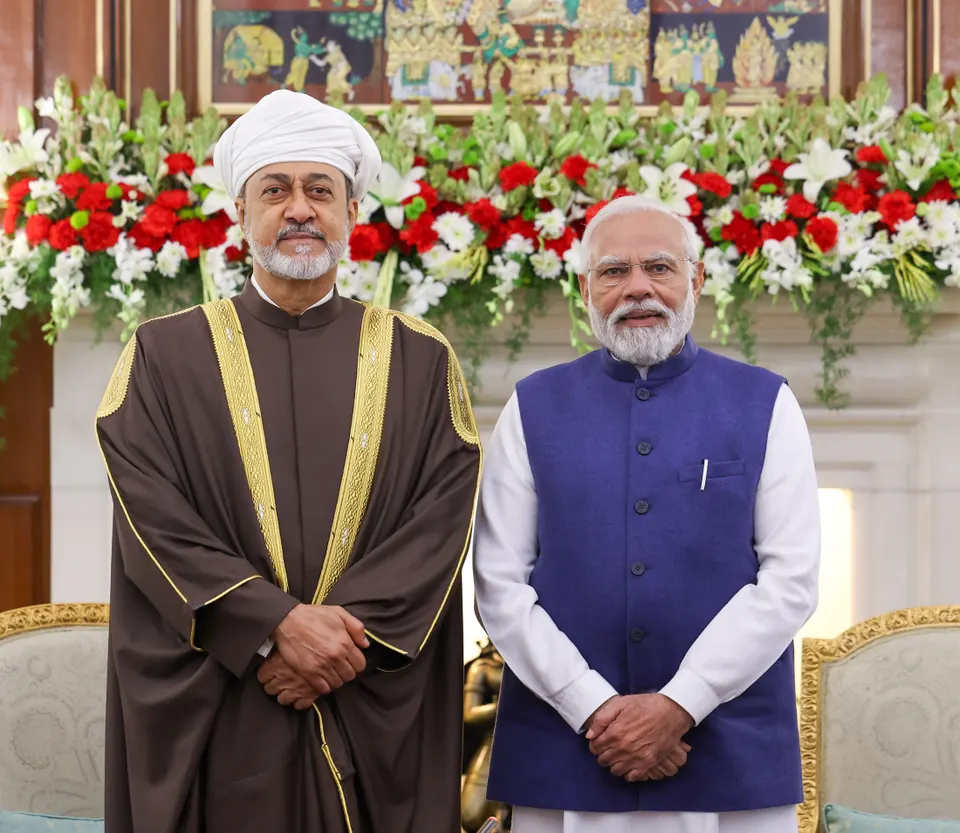
Iran's Foreign Minister, Seyyed Abbas Araghchi, held discussions with his Omani counterpart regarding the management of the Strait of Hormuz. The talks focused on ensuring the waterway's future operations are conducted in accordance with Iran's sovereign responsibilities and international law. This diplomatic engagement highlights the ongoing efforts by regional players to maintain stability and predictability in this strategically vital maritime chokepoint.
The dialogue between Iran and Oman is crucial, given Oman's neutral stance and its role as a mediator in regional affairs. By discussing the management of the Strait, both nations are signaling their commitment to dialogue and de-escalation, aiming to prevent miscalculations that could lead to conflict. This diplomatic initiative is particularly important as global markets and political observers closely watch any developments concerning the Strait of Hormuz, a key transit route for a significant portion of the world's oil supply. The outcome of such discussions can directly influence regional security perceptions and investor confidence.
Frequently Asked Questions
What is the latest development regarding the CIA official accused of stealing gold?
What is President Trump's 'final determination' concerning Iran?
What is the significance of the Philippines receiving Iranian crude oil?
What was discussed between Iran's Foreign Minister and his Omani counterpart?
How have oil prices reacted to the potential de-escalation in the Strait of Hormuz?
The Geopolitical Significance of the Strait of Hormuz
The Strait of Hormuz, a narrow waterway connecting the Persian Gulf to the Arabian Sea, is arguably the world's most critical oil transit chokepoint. Stretching approximately 39 kilometers (21 nautical miles) at its narrowest point, this strategic passage is bordered by Iran to the north and Oman and the United Arab Emirates to the south. Its geographical confinement makes it inherently vulnerable, yet indispensable for global energy supplies, linking major oil and gas producers in the Middle East with consumers worldwide.
Economically, the Strait's importance cannot be overstated. An estimated one-fifth of the world's total petroleum liquids consumption, and a significant portion of its liquefied natural gas (LNG), passes through this waterway daily. Tankers carrying crude oil and refined products from Saudi Arabia, Iran, Iraq, Kuwait, Qatar, and the UAE must navigate these waters. Any disruption here, whether due to geopolitical tensions, military conflict, or even a major shipping incident, has immediate and profound ripple effects on global energy prices and supply chains, impacting nations like the Philippines that rely heavily on imported crude.
Geopolitically, the Strait of Hormuz is a constant flashpoint, particularly due to its proximity to Iran. Tehran has historically viewed its control over the Strait as a strategic lever, especially in response to international pressures or sanctions, such as those imposed following the Trump administration's withdrawal from the Iran nuclear deal. Threats to disrupt shipping or actual incidents of vessel harassment underscore the region's volatility. The presence of international naval forces, including the U.S. Fifth Fleet, highlights the global commitment to keeping this vital artery open, yet also underscores the persistent risk of escalation.
Understanding the Strait of Hormuz is crucial for grasping the intricacies of global energy security and international relations. Its unique position as both a vital economic lifeline and a potential geopolitical powder keg means that developments in this region are closely watched by governments, markets, and consumers worldwide. The stability of oil prices, the reliability of energy supplies, and the broader balance of power in the Middle East are all inextricably linked to the free and secure passage through this narrow, yet immensely significant, body of water.
Topics
Related Articles