U.S. Strikes Hit Iranian Infrastructure as Regional Blockade Tightens: Toman Weakens Amid War Escalation
حملات آمریکا به زیرساختهای جنوب ایران؛ جهش نرخ دلار در پی تشدید تنشهای نظامی
U.S. Central Command has targeted bridges and ports in Southern Iran, leading to a sharp 1.1% rise in the USD/IRR rate. As the regional conflict intensifies, the economic fallout is spreading to Dubai and global tech markets.
At time of publishing
USD
190,100
Toman
Gold 18K
18.43M
Toman / gram
Bitcoin
$63,042
US Dollar
Tether
191,696
Toman
U.S. Strikes Target Strategic Infrastructure in Southern Iran
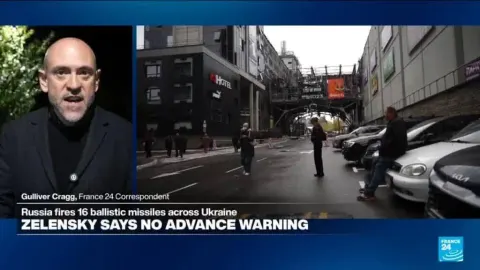
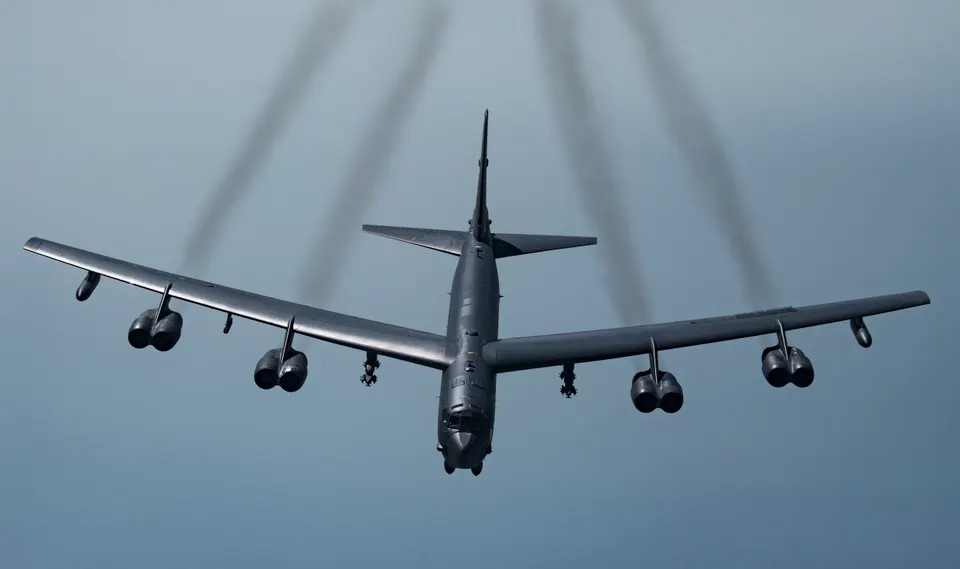
The geopolitical landscape in the Middle East has reached a fever pitch as U.S. Central Command (CENTCOM) confirmed a series of strikes against dozens of military targets across Southern Iran. However, the narrative diverges sharply between Washington and Tehran. While the U.S. maintains it is targeting military assets, Iranian state media reports indicate that civilian infrastructure, including bridges, a southern railway station, and Iranshahr airport, have been hit. These strikes appear to be part of a broader strategy to degrade the logistical capabilities of the Islamic Revolutionary Guard Corps (IRGC) and enforce a maritime blockade that has seen U.S. Marines boarding tankers in the Persian Gulf. The IRGC has responded with characteristic defiance, threatening "crushing attacks" against neighboring countries that host U.S. military bases. This escalatory rhetoric suggests that the conflict is no longer confined to direct U.S.-Iran engagements but threatens to engulf the entire region. For the average Iranian, the immediate impact of these strikes is felt at the exchange shops. The US Dollar has already climbed from 188,000 to 190,100 Toman, a 1.1% increase in just 24 hours, as panic buying of hard currency accelerates in anticipation of further military escalation and potential supply chain collapses.
The Economic Ripple: Dubai Layoffs and the Cost of War
The conflict is casting a long shadow over the regional economic hubs that once seemed immune to the surrounding chaos. In Dubai, a city built on the promise of being a safe haven for global capital and migrant labor, the cracks are beginning to show. Reports indicate a significant wave of layoffs and salary cuts across the logistics and hospitality sectors. Migrant workers, who form the backbone of the Emirati economy, are finding themselves the first victims of a war-induced slowdown as regional trade routes are choked by the ongoing blockade and shipping insurance premiums skyrocket. This downturn in Dubai is particularly concerning for the Iranian business community, which has long used the UAE as a vital gateway for bypassing international sanctions. With the U.S. boarding ships and the IRGC threatening host nations, the "Dubai route" is becoming increasingly perilous and expensive. If the regional conflict persists, the capital flight from the Gulf could accelerate, further destabilizing the already fragile economic balance in the Middle East and reducing the flow of remittances and trade that many Iranian families depend on for survival.

Privacy as Fashion: The Rise of Adversarial Clothing
As governments worldwide, including those in Britain and Iran, ramp up facial recognition surveillance to monitor dissent and public movement, a new counter-culture is emerging in the fashion industry. Designers are increasingly experimenting with "adversarial clothing"—garments featuring complex, high-contrast patterns designed to confuse computer vision algorithms. These pieces are moving from niche art projects to mainstream commercial products, as citizens seek ways to maintain anonymity in an age of total digital visibility. For many, these clothes are a political statement as much as a tool for privacy, signaling a refusal to be indexed by state databases. In the context of the current unrest in Iran, such technology takes on a more serious tone. While British designers focus on the fashion-forward nature of privacy, the practical application of avoiding automated identification is a matter of security for activists and ordinary citizens alike. However, the effectiveness of these patterns is a moving target; as AI models become more sophisticated, the patterns must evolve to keep up. This cat-and-mouse game between surveillance tech and privacy-enhancing fashion highlights a growing global demand for tools that allow individuals to reclaim their physical and digital identity from state overreach.
Markets Retreat: SpaceX Slides and Bitcoin Dips Below $63k
The combination of military tension in the Middle East and a cooling enthusiasm for AI stocks has triggered a "risk-off" sentiment across global markets. SpaceX, once the darling of private equity, saw its stock slide 4% in premarket trading following the postponement of a crucial mission. This decline has pushed the company's valuation further below its initial IPO expectations, signaling that even the most innovative tech giants are not immune to the broader macroeconomic malaise. Investors are increasingly wary of high-valuation growth stocks as the cost of capital remains high and geopolitical uncertainty looms large. The cryptocurrency market is mirroring this retreat. Bitcoin (BTC) has slipped to $63,042, dragging the broader market down as traders liquidate positions to seek safety in gold and cash. While some technical analysts suggest that Bitcoin is entering an "oversold" territory—reminiscent of previous bear market bottoms—the immediate pressure remains downward. In Iran, the Tether (USDT) price has hit 191,696 Toman, reflecting the dual pressure of a falling global crypto market and a weakening domestic currency. For retail investors, the current environment is one of extreme caution, as the traditional "safe havens" like gold (currently at $3,997.50 per ounce) become the only assets showing resilience.
Watch
US strikes Iran bridges and collapses a tower at a key port | DW News
DW News
Frequently Asked Questions
Which Iranian infrastructure targets were reportedly hit by the U.S.?
Why is the war in Iran causing layoffs in Dubai?
What is 'adversarial clothing' and how does it work?
How has the Iranian currency reacted to the latest military strikes?
The Strategic Importance of the Strait of Hormuz
The Strait of Hormuz is a narrow, strategically vital waterway connecting the Persian Gulf to the Arabian Sea and the open ocean. Just 21 nautical miles (39 kilometers) wide at its narrowest point, this chokepoint is one of the world's most critical maritime passages. Its geographical significance stems from being the sole sea passage from the Persian Gulf to the open ocean, making it indispensable for the movement of oil, liquefied natural gas (LNG), and other goods from major Middle Eastern producers to global markets.
Economically, the Strait of Hormuz is unparalleled. A substantial portion of the world's seaborne crude oil and refined petroleum products, along with a significant volume of LNG, passes through this strait daily. Countries like Saudi Arabia, Iran, Iraq, Kuwait, Qatar, and the UAE rely heavily on this passage to export their energy resources. Any disruption to traffic through the Strait can trigger immediate and dramatic spikes in global oil and gas prices, sending shockwaves through the world economy and potentially leading to recessions in energy-dependent nations.
Given its pivotal role in global energy supply, the Strait of Hormuz is a perpetual flashpoint in regional geopolitics. Threats to its navigation, such as blockades or military confrontations, are often viewed as direct threats to international energy security. The headline's mention of a "regional blockade tightens" and "war escalation" directly implicates the Strait, highlighting how tensions between powers like the U.S. and Iran can quickly escalate into actions that jeopardize this crucial waterway. Such events not only risk military conflict but also severely destabilize financial markets and weaken national currencies, as seen with the Toman in the headline.
Understanding the Strait of Hormuz is crucial for comprehending the intricate links between geopolitics, energy markets, and global economic stability. Its continued open and secure passage is a top priority for international powers, as any prolonged disruption would have catastrophic consequences for global trade and economic well-being.