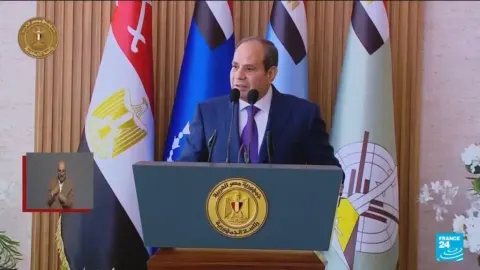
Trump’s ‘Final Determination’ Looms as Oil Records Worst Month Since 2020
وعده «تصمیم نهایی» ترامپ برای توافق با ایران؛ سقوط ۲۰ درصدی قیمت نفت در ماه می
President Trump claims a historic deal with Iran is imminent, involving the reopening of the Strait of Hormuz, while oil prices suffer their steepest monthly decline in years. Despite Tehran's cautious denials, global markets are already pricing in a potential de-escalation, reflected in a cooling USD/IRR exchange rate.
At time of publishing
USD
171,200
Toman
Gold 18K
18.87M
Toman / gram
Bitcoin
$73,701
US Dollar
Tether
169,901
Toman
Trump’s ‘Final Determination’ and the Art of the Deal
In a series of rapid-fire developments at the White House, President Donald Trump has signaled that he is on the verge of a "final determination" regarding a comprehensive peace proposal with Iran. According to the President, the deal involves significant concessions from Tehran, including the full reopening of the Strait of Hormuz and a complete halt to the country's nuclear program. While Trump has characterized the situation as being on the cusp of a historic breakthrough, Iranian officials have been quick to temper expectations. Tehran has denied that a final agreement has been reached, suggesting that the U.S. administration may be engaging in high-stakes public relations to pressure negotiators during the final hour.
This atmospheric tension has immediately translated into the currency markets. In Tehran, the USD/IRR exchange rate saw a notable cooling, with the sell rate moving from 172,600 to 171,200, a decrease of 0.8% over the last 24 hours. For Iranian citizens, this volatility is a double-edged sword; while a deal could lead to a massive appreciation of the Toman and a cooling of inflation, the uncertainty of Trump’s "Art of the Deal" tactics often leads to sudden price reversals. The market is currently in a 'wait-and-see' mode, with traders hesitant to take large positions until the White House or the Iranian Foreign Ministry releases a formal, signed document.

Oil’s May Meltdown: The Biggest Drop Since 2020
The global energy sector is reeling as oil prices officially recorded a 20% decline for the month of May, marking the most significant monthly crash since the height of the 2020 pandemic. This collapse is driven almost entirely by the "peace dividend" being priced in by speculators who believe a U.S.-Iran deal will flood the market with millions of barrels of previously sanctioned Iranian crude. However, the optimism is being met with a harsh reality check from industry leaders. Chevron CEO Mike Wirth recently highlighted that multiple ships were attacked in the Strait of Hormuz just this week, reminding the world that the physical risks to shipping remain extremely high despite the diplomatic chatter.
From a macroeconomic perspective, the Federal Reserve is watching these falling prices with a mix of relief and caution. Kansas City Fed President Jeffrey Schmid warned this hour that the energy shock might not be transitory, as baseline inflation remains stalled near 3%. If oil prices rebound due to a failure in peace talks, the Fed may be forced to maintain higher interest rates for longer, which would strengthen the global USD and put renewed pressure on emerging market currencies like the Toman. For now, the 18k gold price in Iran has remained relatively stable, rising slightly from 18,841,128 to 18,873,678 (+0.2%), acting as a hedge for those who remain skeptical of a permanent geopolitical solution.
The AI Hardware Gold Rush: Dell and Groq Lead the Charge
While the world focuses on geopolitics, the technology sector is undergoing a massive structural shift. Dell Technologies saw a stunning 30% stock rally following an earnings report that proved the AI buildout is no longer just about software and chips, but also the physical infrastructure required to run them. The demand for high-end servers has reached a fever pitch, dragging other legacy hardware makers upward in a sympathy rally. This "AI inference" era—where models are fine-tuned and deployed at scale—is creating a new class of winners in the equity markets, diverging significantly from the more volatile crypto sector, where Bitcoin recently dipped to six-week lows near $73,701.
Parallel to Dell's success, the AI chip startup Groq is reportedly raising $650 million to challenge Nvidia’s dominance in the inference space. This massive capital injection suggests that venture capital remains hungry for hardware plays that can provide the raw compute power needed for the next generation of AI agents. For investors, this represents a shift in strategy: the "easy money" in AI software may have been made, and the focus is now on the "shovels and picks" of the digital gold rush. As these technologies become more integrated into global trade and automated diplomacy, the nations that control the hardware will hold the ultimate leverage in the decade to come.

Global Instability: NATO Tensions and the Wage Crisis
Beyond the headlines of war and tech, internal pressures are mounting in Western capitals. In the United Kingdom, a significant split has emerged within the government over the proposed minimum wage increase for young workers. With youth unemployment rising, some officials fear that a sharp hike in labor costs could exacerbate the jobs crisis, while others argue it is a moral necessity. This internal friction highlights the broader economic struggle facing many nations: how to maintain social stability while navigating a high-inflation, high-interest-rate environment that has persisted longer than many economists predicted.
Compounding this domestic unease is a sharp escalation on NATO’s eastern flank. A Russian drone reportedly struck an apartment building in Romania this hour, drawing a sharp condemnation from the alliance. While Romania is a NATO member, the incident is being treated with extreme diplomatic caution to avoid a direct Article 5 trigger. However, these recurring "accidents" keep the global risk premium high. For the Iranian reader, these distant conflicts are not irrelevant; they keep the cost of global shipping and insurance elevated, which indirectly impacts the price of imported goods and the overall value of the Toman against a basket of global currencies.
Frequently Asked Questions
Why did oil prices drop 20% in a single month?
What are the specific conditions of Trump's proposed Iran deal?
How has the Iranian currency responded to the peace talks?
Why is Dell's stock rallying amid geopolitical uncertainty?
The Geopolitical Risk Premium in Oil Prices
The price of oil is not solely determined by supply and demand fundamentals; it also carries a significant "geopolitical risk premium." This premium is an additional cost built into crude oil prices due to actual or perceived political instability, conflicts, or policy changes in major oil-producing regions or critical transit chokepoints. Essentially, it reflects the market's assessment of potential supply disruptions, whether from armed conflict, sanctions, or political unrest, which could limit the flow of oil to global markets.
Consider the Strait of Hormuz, a narrow waterway crucial for a substantial portion of the world's seaborne oil shipments. Any threat to its free passage, often associated with geopolitical tensions involving Iran, immediately triggers an increase in the geopolitical risk premium. Traders anticipate potential supply shortages, leading to speculative buying and higher prices. Conversely, a reduction in tensions or a perceived increase in stability can lead to the premium shrinking, contributing to price falls, as seen when the market anticipates reduced threats to supply.
This concept is vital for understanding global energy security. Nations heavily reliant on oil imports are particularly vulnerable to fluctuations driven by geopolitical risks, as higher prices can stifle economic growth and fuel inflation. Policy decisions, such as potential changes to international agreements concerning major oil producers like Iran, can dramatically shift market sentiment. A "final determination" on such a deal, for instance, could either reassure markets of stable supply or raise fears of renewed disruptions, directly impacting the geopolitical risk premium and, consequently, global oil prices and economic stability.
Topics
Related Articles