Trump Delays 'Final Determination' on Iran Deal as Pentagon Signals Readiness for Conflict
تعویق تصمیم نهایی ترامپ درباره توافق با ایران؛ هشدار پنتاگون و آرامش نسبی در بازار نفت
President Trump has postponed a final decision on a proposed Iran ceasefire after a high-stakes White House meeting, while Defense Secretary Pete Hegseth warns the US remains ready for military action. Markets are reacting with a mix of optimism and caution as oil prices stabilize.
At time of publishing
USD
171,200
Toman
Gold 18K
18.82M
Toman / gram
Bitcoin
$73,549
US Dollar
Tether
170,816
Toman
The White House 'Determination' Delay
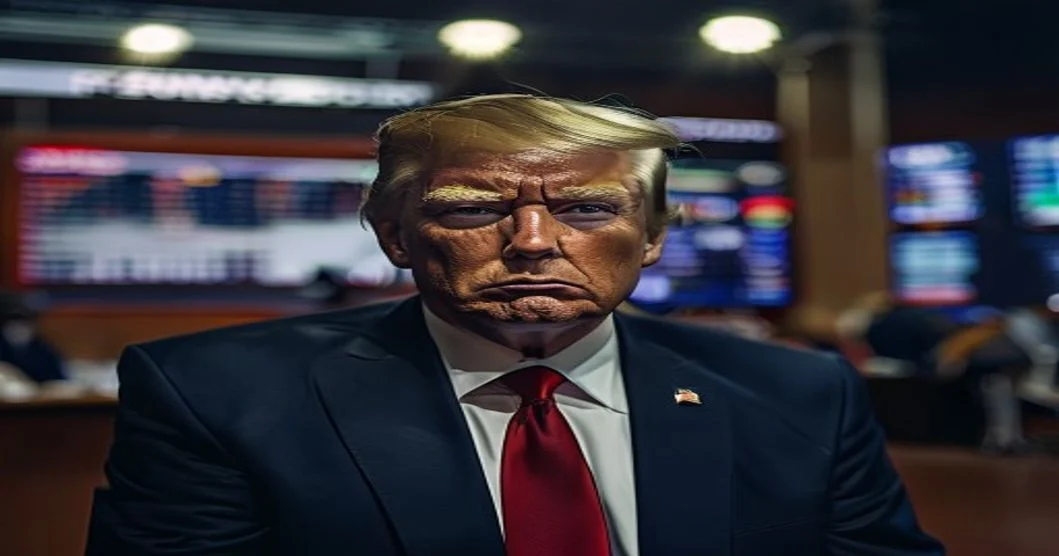
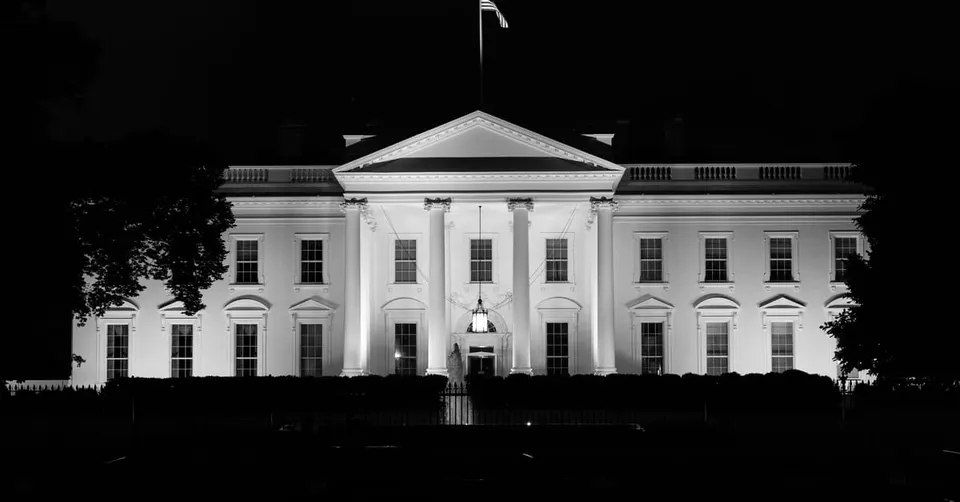
As of 10:00 AM in Tehran, the geopolitical landscape remains on a knife-edge following a pivotal Friday evening in Washington. President Donald Trump, after signaling via social media that he was ready to make a definitive call on the proposed Iran ceasefire and nuclear framework, ultimately chose to postpone his 'final determination.' This decision followed an intensive two-hour meeting with senior national security aides at the White House. While the market had braced for a clear 'yes' or 'no,' the resulting ambiguity has left traders and diplomats alike in a state of suspended animation. The delay suggests that internal friction within the administration remains high, particularly regarding the 'red lines' that Trump insists must be met—chiefly a permanent and verifiable end to Tehran's nuclear ambitions. For the Iranian reader, this political theater translates directly into a 'wait-and-see' mode for the national currency. The USD/IRR rate remained stagnant at 171,200 Tomans (+0.0%) as of this morning, reflecting a market that is unwilling to move until the signals from Washington turn from gray to black or white. Tehran, for its part, has been quick to temper expectations. Foreign Ministry spokesperson Esmaeil Baqaei clarified that while message exchanges continue, no 'final understanding' has been reached. This cooling of rhetoric from the Iranian side serves as a reminder that the path to a deal is still obstructed by significant technical and political hurdles that a single White House meeting could not resolve.
Military Posture and the Strait of Hormuz
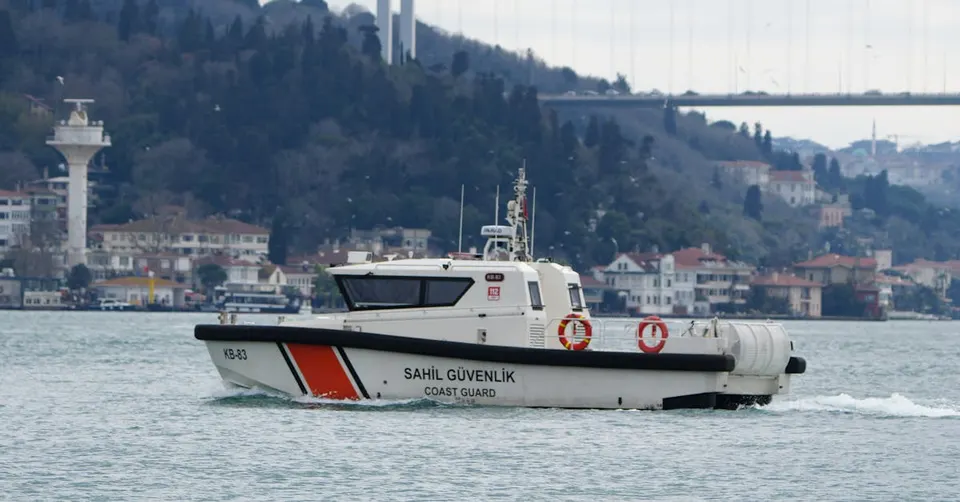
While diplomats haggle, the military rhetoric has taken a sharper turn. Speaking at a defense summit in Singapore, Pentagon chief Pete Hegseth warned that the United States remains 'more than capable' of resuming military operations against Iran if the current negotiations fail to meet the President’s standards. Hegseth’s comments were clearly designed to project strength and reassure Asian allies who are wary of a US pivot away from global security commitments. He emphasized that Trump is 'patient' but will not tolerate a deal that allows Iran to retain a nuclear threshold status. This 'carrot and stick' approach—negotiating at the White House while threatening force from Singapore—is a hallmark of the current administration's foreign policy. On the ground, however, operational stability appears to be the priority for regional forces. The Islamic Revolution Guards Corps (IRGC) reported this morning that two dozen ships, including international tankers, passed safely through the Strait of Hormuz in the last 24 hours in full coordination with their naval forces. This report of 'business as usual' in one of the world's most critical energy chokepoints has helped stabilize Brent oil prices near $92 per barrel. It suggests a tactical decision by regional actors to keep the oil flowing even as the political climate heats up, preventing a price spike that could derail the very negotiations currently underway.
Markets: The Great Decoupling
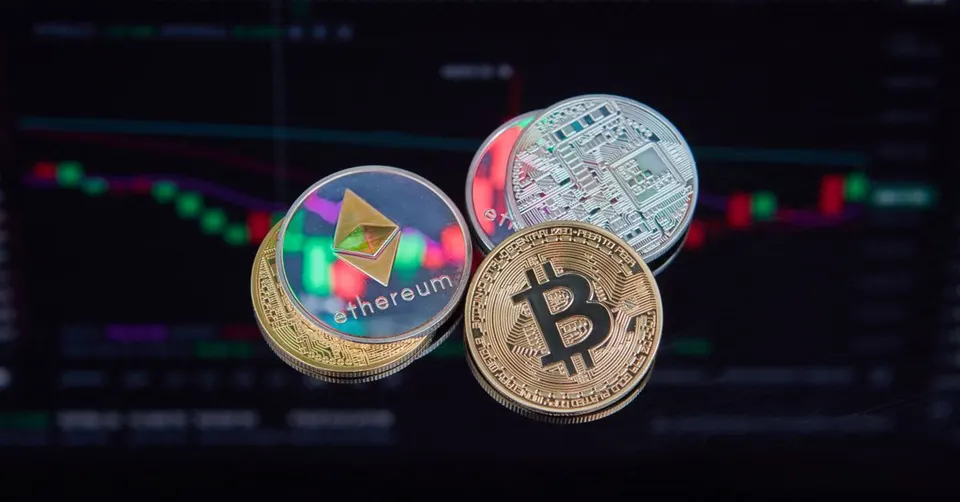
In the financial world, we are witnessing a fascinating divergence between traditional equities and the crypto market. The S&P 500 has continued its longest weekly winning streak since 2023, largely fueled by a massive rally in tech stocks like Dell and ServiceNow, which are riding the wave of AI infrastructure demand. Dell’s stunning 33% stock rally has proven that the 'AI buildout' is not just a software story but a hardware one as well. For Iranian investors looking at global trends, this suggests that the 'Old Economy' tech giants are currently outperforming the more speculative assets that dominated the headlines last year. Conversely, the cryptocurrency market is struggling to find its footing. Bitcoin (BTC) is currently trading at $73,549, drifting lower as demand for spot ETFs cools off significantly. While the stock market celebrates ceasefire hopes and AI earnings, Bitcoin and Ethereum (ETH) have failed to join the party. This 'lag' is partly attributed to a shift in risk appetite; as traditional markets offer high returns with slightly less volatility, the speculative capital that usually drives crypto is staying on the sidelines. Furthermore, new discussions regarding the 'quantum risk' to Bitcoin's security—raised by early investors like Andrew Gault—have added a layer of long-term technical anxiety to the market, even as the immediate price action remains tied to global liquidity and ETF inflows.
Gold and the Domestic Inflation Hedge
Domestically, gold continues to be the primary barometer for Iranian household wealth preservation. Gold 18k/gram saw a slight dip of -0.3%, moving from 18,873,678 to 18,820,813 Tomans. This minor correction is less about a drop in value and more about a momentary pause in the frantic buying seen earlier in the week. The Emami coin remains unchanged at 184,000,000 Tomans, indicating that the 'big money' in the Tehran bazaar is holding its position. As long as the 'final determination' from Washington is delayed, we expect gold to trade within a tight range, as the risk of a sudden appreciation of the Toman (in the event of a deal) is balanced against the risk of a complete breakdown in talks.
Frequently Asked Questions
Why did Donald Trump postpone the 'final determination' on the Iran proposal?
How is the Strait of Hormuz affecting oil prices right now?
Why is Bitcoin lagging behind the stock market rally?
The Strategic Importance of the Strait of Hormuz
The Strait of Hormuz is a narrow waterway that connects the Persian Gulf with the Gulf of Oman and the open Indian Ocean. At its narrowest point it is only about 21 nautical miles (39 km) wide, making it one of the world’s most congested maritime chokepoints. Roughly 20% of global oil consumption and about a third of the world’s petroleum liquids pass through the strait each day, giving it outsized influence over energy markets.
Because the majority of oil exported by Iran, Saudi Arabia, the United Arab Emirates, Kuwait and Iraq must traverse the strait, any threat to its freedom of navigation instantly reverberates in global oil prices. A single incident—such as a naval skirmish, a mine deployment, or a temporary closure—can spike Brent crude by several dollars per barrel, as traders price in the risk of supply disruption.
The strategic value of the Hormuz corridor also makes it a focal point of geopolitical tension. The United States maintains a naval presence there to guarantee open passage, while Iran has repeatedly threatened to block the waterway in retaliation for sanctions or military pressure. This dynamic was highlighted in 2024 when the Pentagon signaled heightened readiness for conflict, prompting markets to watch the strait’s status as a barometer for broader U.S.–Iran relations.
Economically, the uncertainty surrounding Hormuz translates into higher shipping insurance premiums, rerouting costs, and price volatility for downstream consumers. When vessels are forced to take the longer route around the Cape of Good Hope, shipping time can increase by up to three weeks, adding tens of millions of dollars in extra fuel and charter fees. These cost spikes are quickly passed on to end‑users, affecting everything from gasoline at the pump to the price of jet fuel for airlines.
In the context of the stalled Iran nuclear deal and ongoing sanctions, the strait’s importance cannot be overstated. Any escalation could trigger a cascade of financial responses—ranging from a plunge in the Iranian rial to heightened demand for alternative assets like Bitcoin—as investors seek safe havens amid the heightened risk. Understanding Hormuz’s role helps explain why policymakers, traders, and even tech‑sector investors closely monitor its status.
Topics
Related Articles