Piazza Sparks Iran’s Volleyball Revival as Russia Ties Deepen; USD Holds Steady at 171,200
احیای والیبال ایران با هدایت پیازا و تعمیق روابط با روسیه؛ تداوم ثبات دلار در مرز ۱۷۱ هزار تومان
Italian coach Roberto Piazza returns to Tehran to lead the national volleyball team, signaling a return to normalcy after recent regional tensions. Meanwhile, Iran and Russia expand academic cooperation as the domestic currency market sees 0.0% movement in USD rates.
At time of publishing
USD
171,200
Toman
Gold 18K
18.82M
Toman / gram
Bitcoin
$73,477
US Dollar
Tether
170,906
Toman
Roberto Piazza and the Symbolic Return of Iranian Sport
Italian coaching heavyweight Roberto Piazza has officially resumed his duties at the Azadi Sports Complex in Tehran, overseeing the national volleyball team's preparations for the 2026 Volleyball Nations League. Piazza, who first took the helm in 2024, has become a symbol of professional resilience after choosing to return to Iran following the conclusion of the recent regional conflict. His presence on the court is being interpreted by many as a powerful signal of stability, suggesting that the era of heightened security alerts is giving way to a focus on national development and international competition.
Training sessions are currently focused on integrating a younger generation of players who were seasoned during the difficult atmosphere of the past two years. For the Iranian public, the sight of high-profile foreign expertise returning to the capital provides a psychological boost that often precedes economic confidence. This "soft power" recovery is essential for a nation looking to rebuild its international image and attract foreign interest beyond the geopolitical sphere. The dedication shown by Piazza, despite the previous "Ramadan war" disruptions, has earned him significant respect among local fans and officials alike.

Strengthening the Northern Axis: Iran and Russia’s Academic Pivot
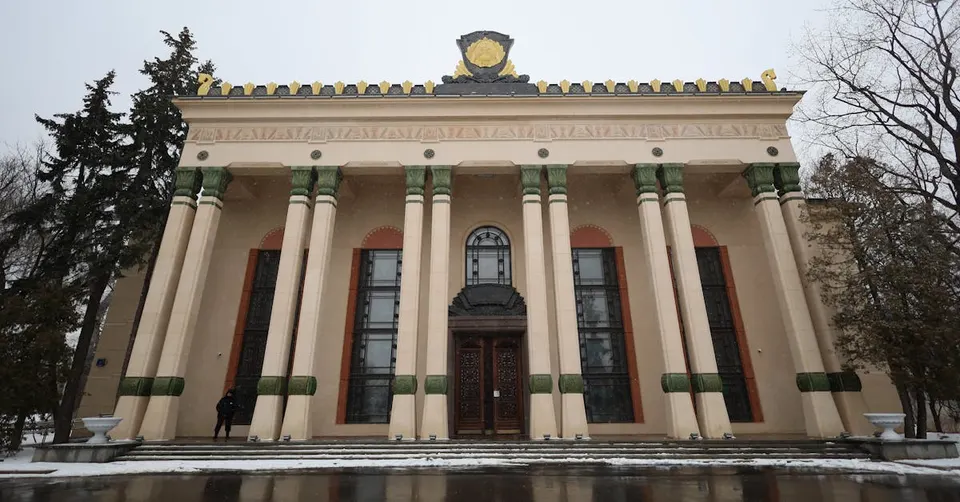
While the sports world focuses on Azadi, diplomatic channels in Moscow are busy cementing long-term strategic alliances. Iranian Ambassador Kazem Jalali recently met with Igor Chaika, head of Russia’s Federal Agency for the Commonwealth of Independent States, to discuss a significant expansion of academic and humanitarian cooperation. This meeting underscores a shift toward institutionalizing the Iran-Russia relationship, moving beyond military and energy cooperation into the realms of education, research, and cultural exchange. By deepening these ties, both nations aim to create a self-sustaining ecosystem of expertise that is less dependent on Western academic institutions.
For the Iranian economy, this academic pivot is more than just a cultural gesture; it represents a strategic investment in human capital. As Russia and Iran face similar international pressures, the exchange of technical knowledge and the harmonization of educational standards could facilitate smoother trade and engineering projects in the future. This cooperation is expected to yield new scholarship programs and joint research ventures, providing Iranian students with alternatives to European universities and potentially slowing the "brain drain" by offering high-level opportunities within a friendly geopolitical bloc.
Market Stability Amid Global Energy and Infrastructure Shifts
In the financial markets, the Iranian Toman is showing remarkable stability this morning. The USD sell rate remained unchanged at 171,200 Toman, marking a 0.0% delta over the last 24 hours. This flatline suggests a temporary equilibrium as traders weigh the impact of renewed diplomatic activity against global economic signals. However, the gold market saw a slight cooling, with 18k gold per gram moving from 18,873,678 to 18,820,813 Toman, a decrease of -0.3%. Similarly, the Emami coin dropped by -0.5%, now priced at 183,000,000 Toman. These minor retreats in gold prices often reflect a slight easing of domestic inflation fears or a shift in retail liquidity toward other assets.
On the global stage, infrastructure challenges continue to haunt the energy transition. In the United Kingdom, Energy Secretary Ed Miliband’s push for on-street electric vehicle (EV) charging has hit a "postcode lottery" snag, as local councils resist the installation of charging gullies due to safety and legal concerns. This struggle highlights a universal truth that Iranian policy-makers are also observing: policy mandates for modernization often move much faster than the physical and legal infrastructure required to support them. While the UK grapples with charging cables, global oil markets remain sensitive to export hubs like Corpus Christi, which has evolved into a central pillar of the global energy system, reminding us that the transition from fossil fuels remains a complex, multi-decade endeavor.

Domestic Commemoration and Global Privacy Concerns
The social fabric of Iran was also marked this morning by a solemn memorial ceremony at the holy shrine of Abd al-Azim al-Hasani. The event, held to honor the martyrs of the family of the late Leader of the Islamic Revolution Ayatollah Seyyed Ali Khamenei, drew significant attendance from government officials and the public. Such ceremonies serve as important touchstones for national identity and continuity, particularly during periods of transition or recovery. They reinforce the ideological pillars of the state while providing a space for communal grieving and reflection following the recent periods of conflict.
Meanwhile, an exclusive report from Manchester has raised eyebrows regarding the methods of modern policing and political activism. A local cafe owner, Shams Sadiq, alleged that UK police attempted to recruit him as an informant to spy on the Palestine Action group, offering financial inducements and a "blind eye" to minor offenses. This story resonates globally as it touches on the delicate balance between national security and civil liberties. For readers in the Middle East, such reports highlight the intense scrutiny that pro-Palestine movements face even in Western democracies, illustrating how regional conflicts continue to project their influence onto the streets of major European cities.
Frequently Asked Questions
Why is Roberto Piazza's return to Iran considered significant for the economy?
How does the academic cooperation between Iran and Russia affect the job market?
Why are gold and coin prices falling while the USD remains flat?
Understanding Currency Exchange Rates and Forward Markets
A currency exchange rate is simply the price of one country's currency in terms of another. For instance, the USD/IRR rate tells you how many Iranian Rials you need to buy one US Dollar. These rates are fundamental to international trade, investment, and tourism, as they determine the relative cost of goods, services, and assets across borders. They are dynamic, constantly fluctuating based on a complex interplay of economic, political, and social factors.
Several key determinants influence these spot (current) exchange rates. These include the supply and demand for each currency, driven by trade balances, capital flows, and investor sentiment. Interest rate differentials between countries can attract or deter foreign investment, impacting demand. Inflation rates also play a crucial role; a country with persistently higher inflation typically sees its currency depreciate against currencies of countries with lower inflation. Furthermore, a nation's economic performance, political stability, and central bank policies (like intervention or interest rate adjustments) significantly shape currency values.
Beyond the immediate spot rate, markets also offer forward exchange rates. A forward rate is an exchange rate agreed upon today for a currency exchange that will take place at a specified future date, such as the USD/IRR price for May 2026 mentioned in the keywords. These rates are not mere guesses; they reflect market participants' expectations about what the spot rate will be in the future, incorporating anticipated inflation, interest rate changes, and geopolitical developments. They are essentially a projection based on current information and future outlook.
Forward markets are crucial for businesses and investors seeking to hedge against currency risk. By locking in a future exchange rate, companies can protect the value of their international transactions from adverse currency movements. In economies facing significant uncertainty or volatility, like Iran, understanding both spot and forward rates becomes even more critical. They provide valuable insights into market sentiment regarding future economic stability, inflation expectations, and the potential impact of domestic and international events on a country's purchasing power and financial outlook.
Topics
Related Articles