Diplomatic Impasse in the Situation Room: No Deal for Iran-US as Eid Marked by Regional Crisis
بنبست دیپلماتیک در واشینگتن؛ سایه بحران بر عید قربان و افت قیمتها در بازار تهران
A high-stakes two-hour meeting in the White House Situation Room has ended without a breakthrough on the Iran nuclear and sanctions deal. Meanwhile, regional markets react to the seizure of $1 billion in Iranian crypto assets by the US Treasury.
At time of publishing
USD
169,900
Toman
Gold 18K
18.68M
Toman / gram
Bitcoin
$73,541
US Dollar
Tether
170,634
Toman
The Quiet Eid: Religious Observance Amid Persistent Conflict
Across the Middle East this Saturday, millions of Muslims are marking Eid al-Adha, but the atmosphere remains somberly overshadowed by the grinding realities of war and economic instability. From the streets of Tehran to the ruins of Gaza, the usual festive spirit has been replaced by a quiet resilience. Shortages of fuel, food, and basic necessities continue to roil the region, making the traditional celebrations a luxury that many can no longer afford in their full splendor.
For the Iranian public, this holiday comes at a time of peak economic anxiety. While religious festivities often provide a temporary psychological reprieve from market volatility, the underlying tension is palpable. The regional crisis has not only disrupted trade routes but has also created a climate of uncertainty that prevents long-term financial planning. As families gather, the conversation inevitably turns to the cost of living and the elusive promise of a diplomatic resolution that could lift the heavy veil of sanctions.

No Breakthrough in the Situation Room
The geopolitical landscape remains frozen following a critical two-hour meeting in the White House Situation Room. Despite initial hopes for a 'final determination' on a new deal, President Donald Trump emerged without a signed agreement. The sticking points remain as rigid as ever: Washington demands that Tehran remove mines from the Strait of Hormuz and dismantle its enriched uranium stockpiles, while Iran insists on the immediate unfreezing of billions of dollars in overseas assets.
Analysts note that Trump’s once-maximalist goals appear to be shrinking in the face of persistent Iranian resistance. The road from the hubristic beginnings of his second-term policy to this sobering destination suggests that Iran remains a formidable adversary that cannot be easily pressured into a lopsided deal. This impasse means that the 'sanctions-first' status quo will likely continue, leaving the Iranian economy in a state of high-pressure equilibrium for the foreseeable future.

Crypto Seizures and the Toman's Surprising Resilience
Adding a new layer of complexity to the economic war, US Treasury Secretary Scott Bessent announced today that the United States has seized nearly $1 billion in Iranian-linked cryptocurrency assets. This figure is double what was reported just a month ago, signaling a massive intensification of the digital blockade. The US is increasingly targeting the 'shadow banking' networks that Tehran uses to bypass traditional financial systems, a move that could significantly impact the liquidity of the informal currency market.
Despite these aggressive moves, the Iranian Toman showed a surprising degree of strength in the last 24 hours. The USD sell rate moved from 171,200 to 169,900 Toman, representing a 0.8% decline. Similarly, the Emami gold coin saw a more dramatic drop, falling from 184,000,000 to 180,000,000 Toman (-2.2%). This downward movement in prices, even in the face of a diplomatic stalemate, suggests that the market had already priced in the worst-case scenario or that domestic demand has momentarily cooled during the Eid holidays.
Global Risk: From Ebola Epicenters to Trade Barriers
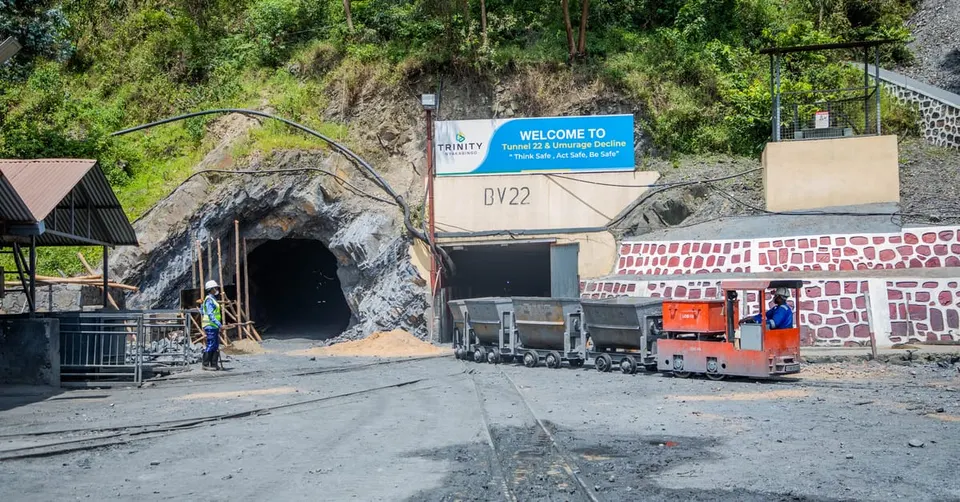
Beyond the Middle East, global markets are monitoring a disturbing surge of Ebola in a remote gold mining town, which has become the epicenter of a new outbreak. The virus is raging with little to stop it, threatening not only human lives but also the stability of local gold production. In a world where gold has reached a staggering $4,540 per ounce, any disruption in supply from mining hubs adds another layer of volatility to a market already on edge due to geopolitical tensions.
Meanwhile, the economic friction between North America and the rest of the world continues to manifest in strange ways. As Canadian car manufacturers struggle against the looming threat of Trump’s tariffs, and European potato farmers face a glut due to similar trade barriers, the interconnectedness of the global economy is being tested. For the Iranian investor, these global shifts are a reminder that the Toman’s value is not just tied to local politics, but to a complex web of global trade wars and health crises that dictate the flow of capital worldwide.
Frequently Asked Questions
Why did the USD/IRR price drop despite no deal in Washington?
What does the $1 billion crypto seizure mean for ordinary Iranians?
How is the Ebola outbreak in a gold mining town affecting gold prices?
The Mechanism and Impact of Economic Sanctions
Economic sanctions are a powerful tool in international relations, representing a form of non-military coercion used by one or more countries against another to alter its behavior. These measures typically involve restrictions on trade, finance, travel, or other economic activities. The primary goal is often to pressure a target state into complying with international norms, abandoning certain policies, or engaging in negotiations, without resorting to direct military intervention. They can range from targeted measures against specific individuals or entities to comprehensive embargoes affecting entire sectors of an economy.
The mechanisms of economic sanctions are varied and complex. They might include freezing assets of government officials or state-owned enterprises, imposing bans on exports or imports of specific goods (like oil or advanced technology), restricting access to international financial systems, or limiting foreign investment. For instance, prohibiting a country from using the SWIFT banking system effectively isolates it from global financial transactions. These actions aim to inflict economic pain, making it difficult for the target country to fund its operations, maintain its currency's value, or provide for its citizens, thereby increasing internal and external pressure for policy change.
The impact of sanctions, particularly comprehensive ones, can be profound and far-reaching. In the target country, they often lead to severe currency depreciation (as seen with the Iranian Rial against the USD), rampant inflation, reduced foreign trade, and significant economic hardship for the general population. This can also drive the country to seek alternative financial channels, such as cryptocurrencies, to circumvent traditional banking restrictions, or to forge new trade alliances. However, sanctions can also have unintended consequences, sometimes strengthening hardline factions, fostering illicit markets, or even destabilizing regional security, as tensions around critical choke points like the Strait of Hormuz might escalate.
While proponents argue that sanctions are a necessary instrument to enforce international law and prevent conflicts, critics often highlight their humanitarian costs and questionable effectiveness in achieving long-term policy goals. The debate continues regarding whether sanctions genuinely alter state behavior or primarily punish populations, often leading to a complex web of diplomatic impasses and protracted negotiations. Understanding economic sanctions is crucial for grasping the geopolitical dynamics and economic challenges faced by countries like Iran in their interactions with global powers.
Topics
Related Articles