Trump’s Cultural Rebrand Blocked as Inflation Woes Cloud US Midterms and Global Markets
توقف طرح ترامپ برای مرکز کندی؛ فشار تورم بر انتخابات آمریکا و نوسان در بازارهای جهانی
A US judge has halted President Trump’s controversial plan to rename and renovate the Kennedy Center, marking a significant legal setback. Meanwhile, rising inflation and trade tariffs are complicating the US political landscape and impacting global commodity surpluses.
At time of publishing
USD
170,400
Toman
Gold 18K
18.73M
Toman / gram
Bitcoin
$73,485
US Dollar
Tether
170,634
Toman
Legal Blow to Trump’s Institutional Rebranding
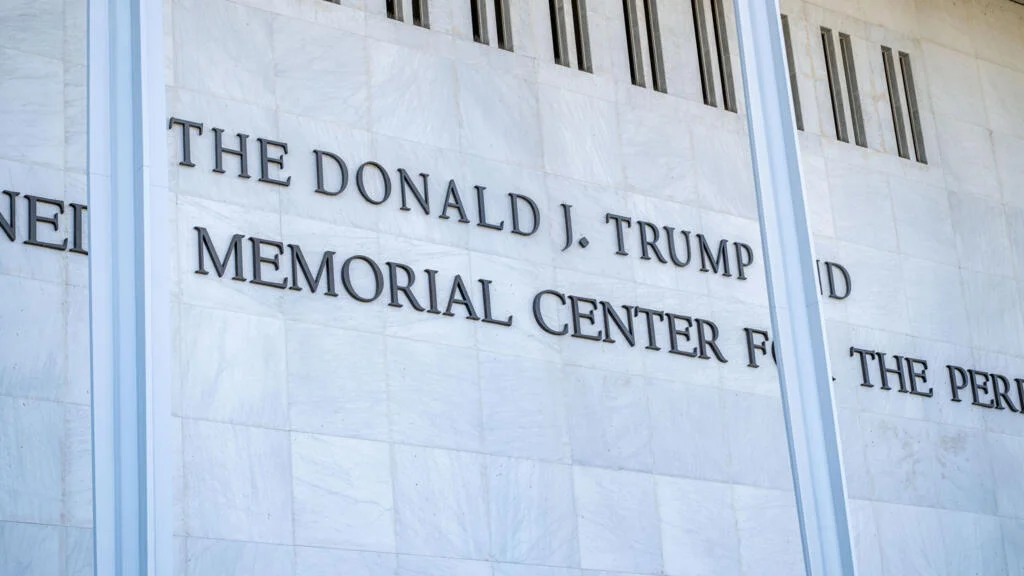
In a significant legal development that has captured the attention of both political analysts and cultural observers, a judge has officially revoked the Kennedy Memorial Center board's decision to add Donald Trump's name to the prestigious institution. The ruling also halts a planned two-year closure for intense renovations, which critics had characterized as a vanity project aimed at erasing the legacy of his predecessors. President Trump reacted with typical fervor on Truth Social, issuing a lengthy tirade and declaring that he would relinquish responsibility for the maintenance and management of the performing arts center. This domestic legal friction comes at a time when the administration is already under fire for its handling of international dossiers, including the stalled negotiations over a potential new deal with Iran.
For Iranian observers and market participants, this legal setback for Trump signals a growing domestic resistance that could distract the White House from its foreign policy objectives. As the "final determination" on the Iran deal remains elusive, the Iranian Toman has seen a slight correction. The USD/IRR rate moved from 171,200 down to 170,400, a decrease of 0.5% over the last 24 hours. This suggests that while the market remains tense, the immediate lack of a military or radical policy escalation has allowed for a brief cooling period. However, the uncertainty surrounding Trump's ability to consolidate power domestically often translates into unpredictable swings in sanctions enforcement and regional diplomacy.
Inflation: The Achilles' Heel of the Midterm Campaign
Despite Trump’s historical ability to dominate the news cycle, a new New York Times/Siena poll suggests that the economic reality of the average American voter may be his greatest challenge yet. The data shows that Trump’s approval on handling the cost of living is underwater by a staggering 42 percentage points. This dissatisfaction is largely driven by policies such as aggressive tariffs and military involvement, which have contributed to persistent inflationary pressures. While inflation helped him secure the presidency by highlighting the failures of the previous administration, it now threatens to cost the Republican party their grip on the Senate in the upcoming midterms. This economic vulnerability is increasingly linked to his unpopular stance on the ongoing tensions with Iran, which many voters see as a drain on national resources.
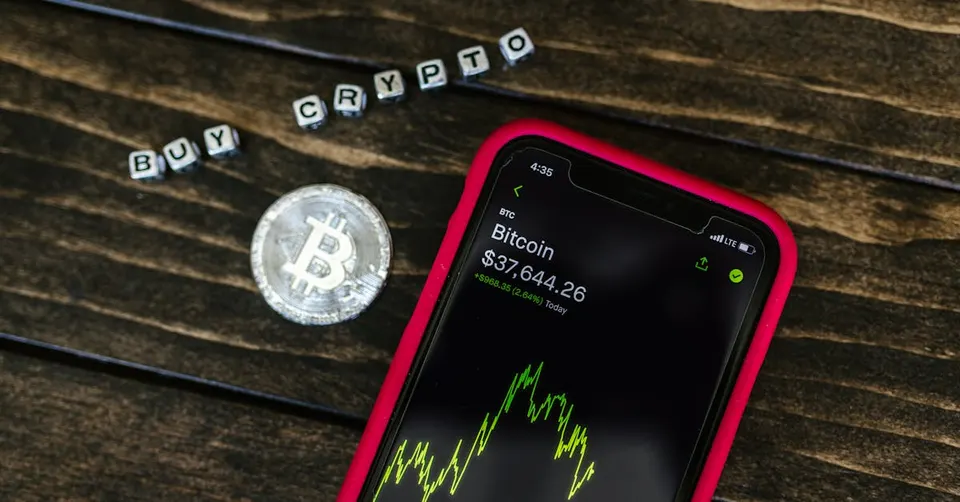
In the financial markets, this inflationary environment is manifesting through cooling demand for traditional risk assets and a shift in crypto sentiment. Spot Bitcoin ETFs have recorded a record 10-day outflow streak totaling nearly $3 billion, with Bitcoin currently trading at $73,485. For Iranians, the stability of Tether (USDT) remains a critical focus, currently priced at 170,634 Toman. As the U.S. midterm elections approach, the volatility in the Dollar and the cooling of the crypto market are likely to keep the Toman under pressure, as investors seek the safety of gold. Gold 18k/gram in Iran fell slightly from 18,873,678 to 18,733,090 (-0.7%), following the broader trend of cautious profit-taking.
Global Trade Gluts and the Tariff Trap
Beyond the political theater in Washington, the real-world consequences of protectionist trade policies are becoming visible in global commodity markets. In Belgium, the world's capital of French fries, a record potato harvest has coincided with new U.S. tariffs that have slashed demand for frozen exports. This has created a massive surplus, driving down prices and hurting European farmers. Similarly, the story of the Canadian-made Bricklin sports car serves as a cautionary tale of how regional industries can be decimated when they rely too heavily on the U.S. market only to be met with sudden trade barriers. These examples highlight the friction that the current administration's "America First" trade policy is creating across the globe.
For the Iranian economy, which is already heavily insulated but also restricted by global trade norms, these shifts are significant. When global trade slows due to tariffs, the demand for oil and the stability of the global financial system are often the first to suffer. The price of an ounce of gold remains high at $4,540.30, acting as a global barometer for economic anxiety. In Iran, the Emami coin saw a sharper decline than other assets, moving from 184,000,000 to 180,000,000 Toman, a 2.2% drop. This suggests that local speculators are recalibrating their expectations as they watch the U.S. struggle with its own internal economic contradictions and trade disputes.
Watch
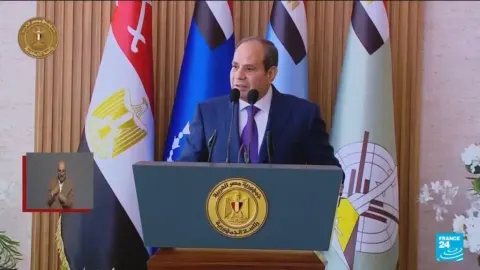
Judge blocks Trump's Kennedy center plan and halts renovation plan • FRANCE 24 English
FRANCE 24 English
Frequently Asked Questions
Why did the judge block Trump's plan for the Kennedy Center?
How is the US inflation rate affecting the Iranian Toman?
What is the 'contrarian indicator' mentioned regarding Bitcoin ETFs?
Why are Belgian potatoes and Canadian cars relevant to the current economy?
The Interplay of Sanctions, Inflation, and Currency Depreciation
Currency depreciation refers to the loss of value of a country's currency relative to other currencies. This phenomenon significantly impacts a nation's economy, affecting everything from import costs to the purchasing power of its citizens. While many factors can contribute to a currency's decline, two powerful forces often work in tandem, especially in politically charged environments: domestic inflation and international sanctions. Understanding their combined effect is crucial for grasping global economic dynamics.
Inflation, the sustained increase in the general price level of goods and services, directly erodes a currency's internal purchasing power. When a country experiences high inflation, its currency buys less at home. Internationally, this makes the country's exports more expensive and imports cheaper in relative terms, increasing demand for foreign goods and, consequently, foreign currency. This imbalance can put downward pressure on the local currency's exchange rate, as more local currency is needed to acquire foreign currency for imports, and investors may lose confidence, seeking safer havens for their capital.
International sanctions, particularly comprehensive ones, add another layer of complexity and pressure. Sanctions can restrict a country's access to global financial systems, limit its ability to export key commodities (like oil), and deter foreign investment. For nations heavily reliant on export revenues to earn foreign currency, sanctions drastically reduce their supply of hard currency. This scarcity makes foreign currency more expensive to obtain, weakening the local currency against major global currencies like the U.S. Dollar. The "Trump Iran policy" and its associated sanctions, for instance, have demonstrably impacted the Iranian Rial's exchange rate.
The combined effect of high domestic inflation and stringent international sanctions can create a severe feedback loop. Inflation makes the local currency less attractive, while sanctions choke off the supply of foreign currency needed to stabilize it. This leads to a rapid and often dramatic depreciation, causing imported goods to become prohibitively expensive, fueling further domestic inflation, and severely diminishing the living standards of the population. Citizens often turn to alternative stores of value, such as gold or stable foreign currencies, to protect their savings, as seen with the "Gold price Iran" and "Toman exchange rate" fluctuations.
Topics
Related Articles