Trump’s ‘Final Determination’ Looms as Iran Deal Hopes Sink Oil Prices; National Sports Triumphs Spark Pride
در انتظار «تصمیم نهایی» ترامپ؛ ریزش قیمت نفت در پی امید به توافق و درخشش ورزشکاران ایران
Oil prices face a steep weekly loss as markets bet on a potential U.S.-Iran framework agreement, while President Pezeshkian celebrates major Iranian sports victories. Meanwhile, Wall Street momentum hits record highs despite uncertainty in the crypto ETF space.
At time of publishing
USD
170,500
Toman
Gold 18K
18.74M
Toman / gram
Bitcoin
$73,673
US Dollar
Tether
170,535
Toman
National Pride: Pezeshkian Hails Double Victory in Iranian Sports
At 17:00 Tehran time, the national mood has been significantly lifted by a series of high-profile athletic achievements. President Masoud Pezeshkian issued a formal congratulatory message to the Iranian women’s national volleyball team following their successful defense of the Central Asian Volleyball Association (CAVA) championship title. This victory, secured for the second consecutive time, serves as a powerful symbol of the growing prowess of Iranian female athletes on the international stage. The President emphasized that such triumphs are not merely sporting milestones but are essential for bolstering national identity and social hope during challenging economic times.
Simultaneously, the Iranian junior Greco-Roman wrestling team clinched the Asian Championship title in Vietnam, further cementing Iran’s dominance in combat sports. These victories provide a much-needed psychological buffer for the domestic public, as the news cycle is otherwise dominated by grueling geopolitical negotiations. For the average Iranian, these successes offer a sense of continuity and excellence that transcends the volatility of the currency markets, even as the Toman remains sensitive to every whisper coming out of Washington and the Situation Room.

---
Geopolitical Seesaw: Trump’s Decision and the Oil Market’s Reaction
The global energy market is currently held captive by the fluctuating signals regarding a potential U.S.-Iran agreement. Oil prices are heading for a steep weekly loss as traders price in the possibility of Iranian crude returning to the global market in larger volumes. While President Donald Trump has yet to announce a "final determination," reports of a framework agreement have already cooled the heat in the Brent and WTI markets. This downward pressure on oil is a double-edged sword for Tehran; while it signals a potential easing of sanctions, it also reduces the immediate per-barrel revenue for a budget that is heavily reliant on energy exports.
In the domestic currency market, the USD/IRR pair has shown a slight softening, moving from 171,200 to 170,500 Toman, a decrease of 0.4%. This movement suggests that local traders are adopting a cautious "wait-and-see" approach rather than panic-buying. However, the gold market has seen more pronounced movement, with the Emami coin dropping 2.2% from 184,000,000 to 180,000,000 Toman. This suggests that the local "safe haven" premium is eroding as the likelihood of a diplomatic breakthrough—however tentative—increases. The next few hours are critical, as any official statement from the White House could either solidify these gains or send the Toman back into a tailspin.
---
Market Momentum: Wall Street Rallies While Crypto Hits a Wall
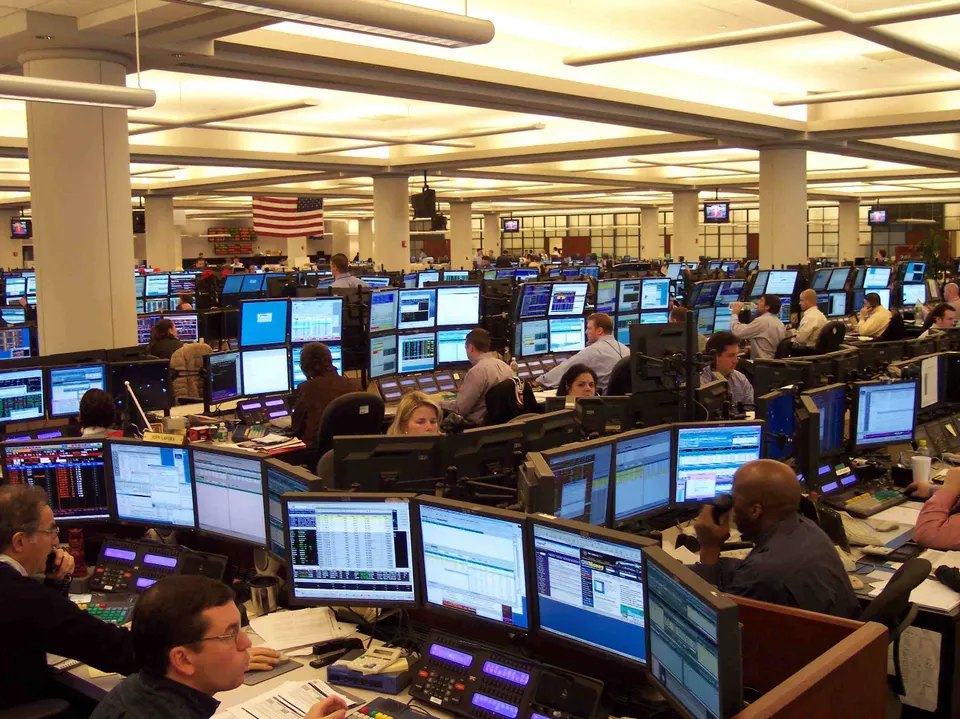
While geopolitics dominates the headlines, the underlying mechanics of global finance are showing a stark divergence. Wall Street’s "momentum trade" is currently delivering its best two-month gain on record, driven largely by the insatiable demand for semiconductor and AI-related stocks like Nvidia and Tesla. The S&P 500 Momentum Index is ripping higher, suggesting that institutional investors are doubling down on large-cap tech. This optimism has even spilled over into Dow Jones futures, which hit new highs today on the back of the aforementioned Iran peace hopes, which investors believe will lower global inflationary pressures by stabilizing energy costs.
In contrast, the cryptocurrency sector is navigating a period of internal skepticism. While Bitcoin (BTC) is holding steady at $73,673, high-profile investors like Mark Cuban have publicly questioned whether the asset has "lost the plot" regarding its original utility. This sentiment is reflected in the data: while XRP funds saw a surprise $35 million inflow, Bitcoin and Ether ETFs lost a combined $2 billion in the final week of May. For Iranian crypto holders, this suggests a shift in the landscape where simply holding BTC may no longer be the guaranteed hedge it once was, requiring a more nuanced approach to digital asset allocation as traditional finance begins to swallow the DeFi space.

Frequently Asked Questions
Why is the price of oil falling if no deal has been officially signed?
How did the USD/IRR exchange rate react to the latest news from the White House?
Why are Bitcoin and Ethereum ETFs seeing outflows while XRP is seeing inflows?
Geopolitical Risk and its Impact on Global Oil Prices
The global oil market is a complex web, highly sensitive to shifts in supply, demand, and perhaps most crucially, geopolitical stability. The concept of geopolitical risk premium helps us understand how events like the potential renegotiation or collapse of international agreements, such as the Iran nuclear deal (JCPOA), can directly influence the price of crude oil. This premium represents an additional cost built into oil prices due to the perceived threat of future supply disruptions, political instability in major producing regions, or changes in international relations that could affect oil trade.
When significant geopolitical developments unfold, such as a major oil-producing nation facing new sanctions or a shift in its export capabilities, market participants react by adjusting their expectations for future supply. For instance, if a deal with Iran is anticipated to either restrict or expand its ability to export oil, traders will factor this into their pricing models. Uncertainty surrounding such events typically drives prices higher as a "risk premium" is added. Conversely, if clarity emerges that suggests an increase in supply or a reduction in overall geopolitical tension, this premium can dissipate, leading to a drop in prices. The headline's mention of "Iran Deal Hopes Sink Oil Prices" suggests that market anticipation of a particular outcome (perhaps more supply, or reduced uncertainty) is leading to a downward adjustment.
Iran is a significant player in the global energy market, possessing some of the world's largest proven oil reserves. Its ability to export oil is profoundly affected by international sanctions and diplomatic agreements. A "final determination" regarding the Iran deal, whether it leads to stricter enforcement, renegotiation, or a different path, directly impacts global oil supply forecasts. Any scenario that suggests more Iranian oil could enter the market, or that regional stability is improving, tends to put downward pressure on prices, as the perceived scarcity or risk of disruption diminishes.
Beyond the immediate impact on oil prices, these geopolitical dynamics have far-reaching economic consequences. For oil-exporting nations like Iran, changes in oil revenue directly affect national budgets, economic stability, and the value of their currency. A drop in oil prices or export volumes can lead to currency depreciation (e.g., a higher USD/IRR exchange rate) and increased inflationary pressures, impacting the daily lives of citizens. Understanding the geopolitical risk premium is therefore essential for comprehending the broader interplay between international politics, commodity markets, and national economies.
Topics
Related Articles