War Spills into Romania as Pentagon Signals Readiness; Gold and Toman Edge Lower Amid Regional Tension
انفجار در مرزهای ناتو و تهدیدهای پنتاگون؛ آرامش شکننده در بازار طلا و ارز تهران
A drone crash in Romania brings the Ukraine conflict to NATO's doorstep, while the Pentagon warns of military readiness as US-Iran talks stall. Meanwhile, the Iranian market sees a slight correction with USD and Gold prices dipping at the 18:00 mark.
At time of publishing
USD
170,600
Toman
Gold 18K
18.76M
Toman / gram
Bitcoin
$73,918
US Dollar
Tether
170,225
Toman
War Shadows Enter Romania: The Big Bang on NATO’s Edge
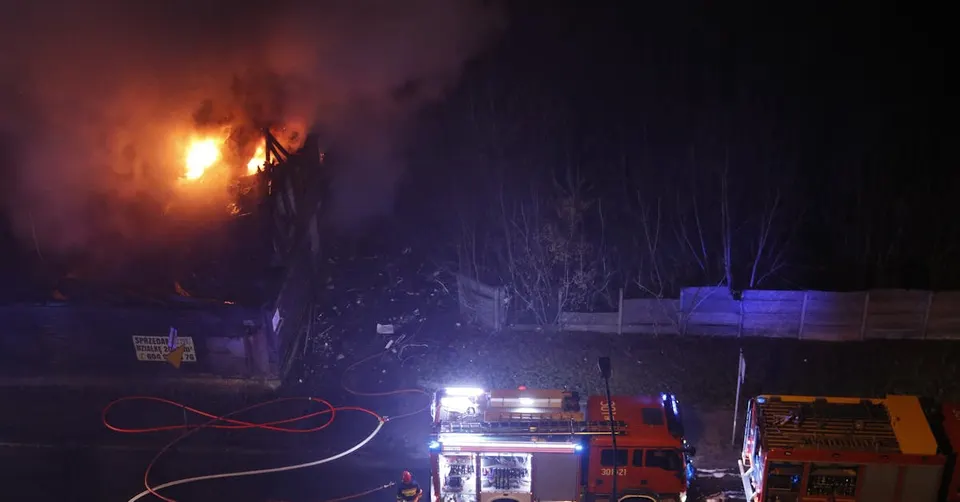
The geography of the Russia-Ukraine conflict shifted dramatically today as a drone crashed into an apartment building in eastern Romania, bringing the "Big Bang" of war directly into civilian homes. This incident serves as a chilling reminder that proximity to active war zones is no longer a theoretical risk for NATO members. Residents in the affected area reported a massive explosion followed by fire and widespread panic, marking one of the most direct physical impacts of the conflict on a neighboring sovereign state.
For global markets, this spillover represents a significant escalation in the regional risk profile. While NATO has been cautious to avoid direct involvement, the physical presence of war debris in a member state forces a policy response that could tighten security along Eastern European borders. This tension often acts as a floor for safe-haven assets like gold and Bitcoin, preventing deeper sell-offs even when local economic data might suggest a cooling period. The psychological impact on European energy and trade routes remains a primary concern for analysts watching the 18:00 Tehran trading window.
Pentagon Signals Readiness as US-Iran Peace Deal Remains Elusive
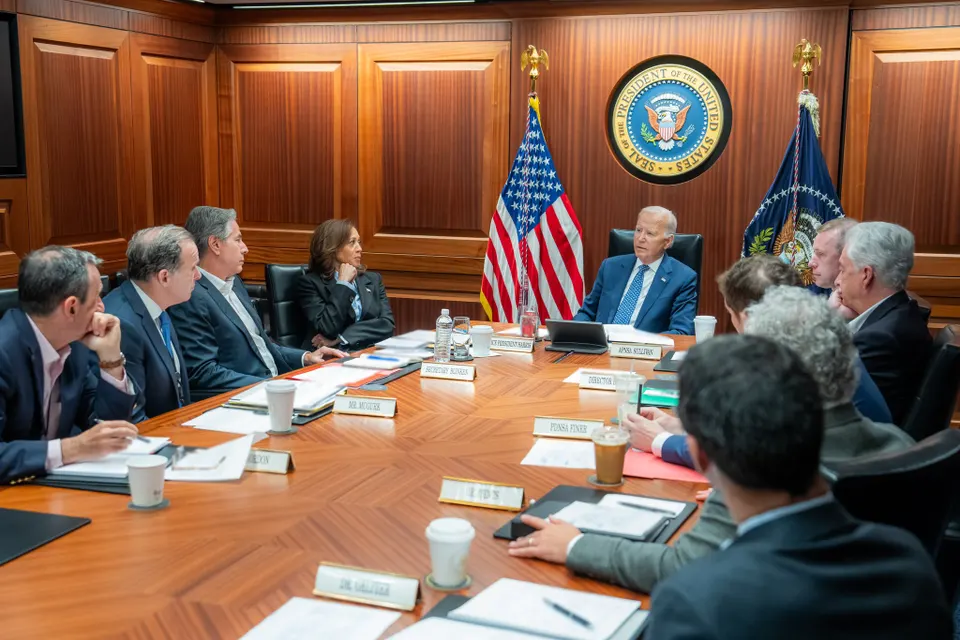
In Washington, the rhetoric regarding regional stability took a sharp turn as Pentagon chief Pete Hegseth stated that the United States remains "more than capable" of resuming military action if necessary. This declaration followed a high-stakes, two-hour meeting in the White House Situation Room that failed to produce a definitive breakthrough or a formal peace deal between the US and Iran. The current impasse suggests that while diplomatic channels remain open, the gap between the two nations' demands remains wider than market participants had hoped during the morning sessions.
Despite this verbal escalation, the Iranian currency market responded with a surprising, albeit minor, correction. The USD/IRR exchange rate moved from 171,200 to 170,600, marking a 0.4% decrease in the last 24 hours. This suggests that local traders may be pricing in a "frozen conflict" scenario rather than an immediate kinetic escalation. However, the volatility remains high, and the lack of a signed agreement keeps the market in a state of high alert, as any further negative signal from the White House could quickly reverse these modest gains for the Toman.
Global Economic Fragility: From French Factories to Wall Street Logic
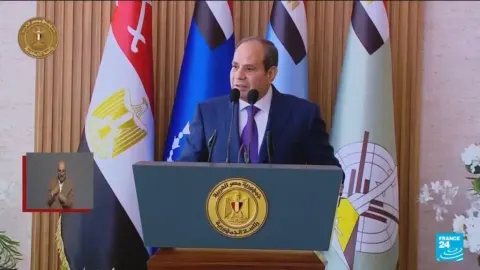
As President Emmanuel Macron prepares to host the "Choose France" summit at Versailles, the underlying economic data paints a somber picture. Factory closures in France are currently outnumbering new openings, a trend exacerbated by the global economic setbacks tied to the ongoing Iran war and soaring national debts. This industrial struggle highlights a broader global trend where geopolitical instability is directly cannibalizing manufacturing growth. Investors are increasingly looking for stability in a world where traditional industrial powerhouses are showing signs of structural fatigue.
In the equity markets, the debate between investing in the Dow Jones versus the S&P 500 has taken a backseat to a more fundamental truth: time in the market is more critical than specific index selection. With the Dow’s 130-year history as a guide, analysts suggest that for those navigating the current inflationary environment, maintaining a long-term position is the only proven hedge against the "Three A’s"—anxiety, attrition, and instability—that are currently testing the US economy. For Iranian investors, this reinforces the strategy of diversification into assets like gold, which despite a 0.6% dip today to 18,755,021 Toman per gram, remains a primary store of value.
Wrestling Triumphs and Cultural Soft Power
Amidst the heavy geopolitical and economic news, Iran’s freestyle wrestling team provided a moment of national pride by securing one gold and one bronze medal at the Asian U17 Wrestling Championships in Danang, Vietnam. These victories at the opening of the tournament reflect the continued strength of Iran’s athletic infrastructure despite the broader economic pressures facing the country. Such events often serve as a temporary boost to national morale, providing a counter-narrative to the headlines of sanctions and military readiness.
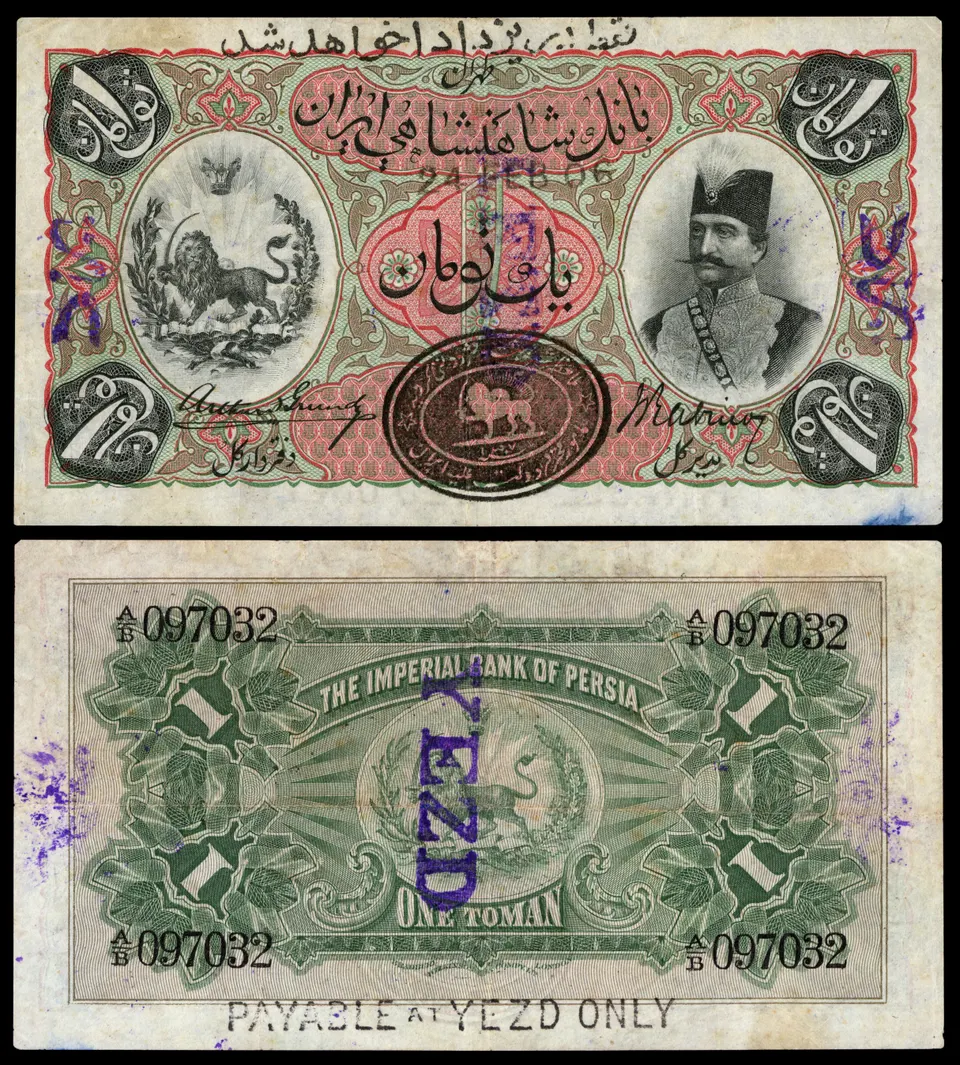
Furthermore, the cultural sphere saw a significant milestone with the sixth Iranian contemporary art biennial, "With My Roots," concluding in London. Showcasing 182 works from Iranian artists worldwide, the event near Buckingham Palace highlights the enduring influence of Iranian soft power. While the Emami coin fell 2.2% to 180,000,000 Toman today, these cultural and athletic successes remind the global community of the human capital and artistic heritage that persist regardless of the fluctuating exchange rates or the political climate in the Situation Room.
Watch
Romania says Russian drone targeting Ukraine crashes in apartment, killing two • FRANCE 24 English
FRANCE 24 English
Frequently Asked Questions
Why did the drone crash in Romania affect the global risk sentiment?
How did the Iranian Toman react to the Pentagon's warnings today?
What is the significance of the 'Choose France' summit mentioned in the report?
Safe-Haven Assets: Navigating Geopolitical Uncertainty
In times of global instability, investors often seek out what are known as safe-haven assets. These are investments that are expected to retain or even increase in value during periods of market turbulence, economic downturns, or geopolitical crises. Gold is perhaps the quintessential safe-haven asset, alongside others like the Japanese Yen, Swiss Franc, and U.S. Treasury bonds. The logic is straightforward: when the world feels uncertain, investors flock to assets perceived as stable stores of value, providing a refuge from the storm.
The appeal of safe-haven assets stems from their perceived reliability and liquidity. Gold, for instance, has been a universal store of value for millennia, untethered to the performance of any single economy or government. During geopolitical tensions, such as the reported drone crash in Romania or heightened NATO-Russia friction, the typical expectation is that demand for gold would rise as investors shed riskier holdings like stocks. This increased demand, in theory, drives up its price, offering a sense of security to those holding it.
However, financial markets are rarely simple, and the headline's mention of "Gold and Toman Edge Lower Amid Regional Tension" highlights this complexity. While geopolitical tension generally boosts safe havens, other powerful factors can counteract this trend. A strong U.S. dollar, for example, can make gold (priced in dollars) more expensive for international buyers, dampening demand. Furthermore, speculation about a potential "US Iran peace deal" could be interpreted by some as a de-escalation in one specific regional conflict, potentially reducing the overall perceived risk and thus tempering safe-haven demand, even as other tensions persist. For currencies like the Iranian Toman, their value is deeply intertwined with domestic economic stability, inflation, and specific geopolitical developments affecting trade and sanctions, making their movements highly sensitive to perceived shifts in regional stability.
Ultimately, the interplay of various global and regional factors – from military conflicts and diplomatic efforts to monetary policy and currency strength – creates a nuanced environment for asset prices. While safe-haven assets generally offer protection during uncertainty, their actual performance is a dynamic reflection of how different market participants weigh conflicting signals and evolving risks.
Topics
Related Articles