
Fidelity Paradox: 401(k) Millionaires Dip as Savings Hit Records; Arsenal Faces PSG in Budapest
پارادوکس فیدلیتی: کاهش میلیونرهای بازنشستگی همزمان با رکورد پسانداز؛ نبرد آرسنال و پاریسنژرمن در فینال اروپا
New data from Fidelity reveals a surprising trend: the number of 401(k) millionaires has fallen despite record-high employee savings rates. Meanwhile, the global spotlight shifts to the Champions League final as geopolitical tensions over the Iran deal remain on a knife-edge.
At time of publishing
USD
170,600
Toman
Gold 18K
18.76M
Toman / gram
Bitcoin
$73,828
US Dollar
Tether
170,302
Toman
The Fidelity Paradox: Why 401(k) Millionaires are Falling While Savings Soar
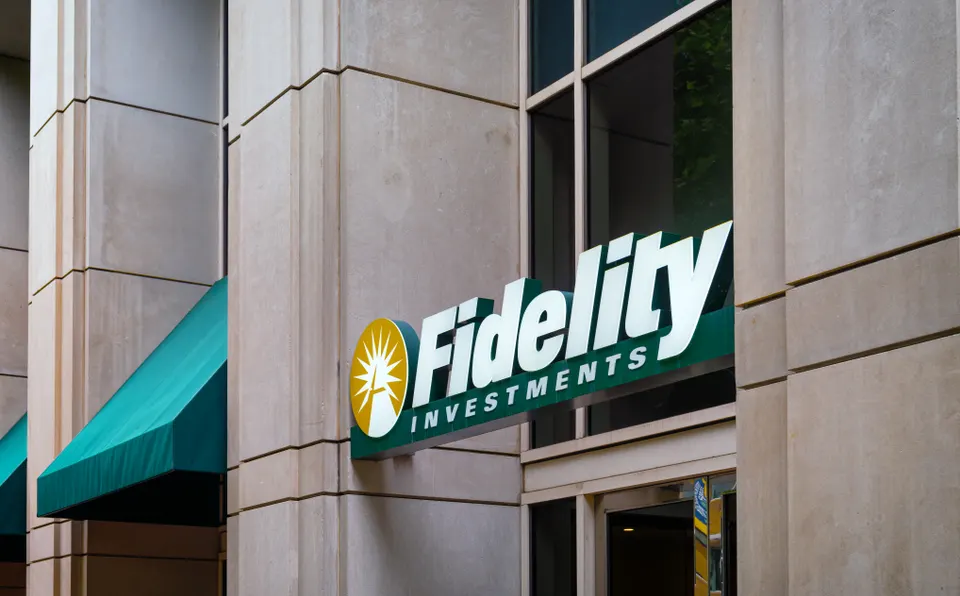
Recent data from Fidelity Investments for the first quarter of 2026 has revealed a striking contradiction in the American financial landscape. While the number of individuals with seven-figure 401(k) balances has seen a noticeable dip, the actual savings rates among workers have climbed to record highs. This shift suggests that while market volatility and recent price corrections have shaved the top off the wealthiest accounts, the average worker is becoming more disciplined, perhaps in anticipation of further economic uncertainty. In the Iranian market, this global caution is reflected in the local currency and gold sectors; the USD moved from 171,200 to 170,600 Toman (-0.4%), while Emami gold coins saw a sharper decline of -2.2%, dropping to 180,000,000 Toman.
This trend highlights a broader psychological shift among investors who are prioritizing capital preservation over aggressive growth. The decrease in 'retirement millionaires' isn't necessarily a sign of systemic failure but rather a reflection of how sensitive high-balance accounts are to even minor equity market pullbacks. For the middle-class saver, the record-high contribution rates indicate a lack of trust in future social safety nets and a desire to build a personal fortress against inflation. As global markets digest these numbers, the focus remains on whether this increased liquidity in savings accounts will eventually flow back into riskier assets like Bitcoin, which currently holds steady at $73,828.
Champions League Fever: Arsenal and PSG Battle for European Supremacy
Tonight, the Puskas Arena in Budapest becomes the epicenter of the sporting world as Arsenal and Paris Saint-Germain (PSG) face off in the UEFA Champions League final. PSG enters the match with the weight of expectation, aiming to defend their title and secure a second consecutive trophy, while Arsenal is chasing its first-ever victory in the prestigious tournament. The atmosphere in Budapest is described as electric, with thousands of fans descending on the city, providing a significant boost to the local hospitality and tourism sectors. However, the event is more than just a game; it serves as a massive commercial engine, with broadcast rights and sponsorships reaching new heights in 2026.
Beyond the pitch, the match provides a temporary distraction from the heavy geopolitical atmosphere. As US President Trump prepares for a "final determination" regarding the Iran war deal, the world is watching for any signal of escalation or de-escalation. Historically, major sporting events have been used as backdrops for soft-power diplomacy, and tonight is no different. While the fans focus on team news and lineups, analysts are looking at the broader economic impact of such mega-events on European consumer sentiment, which has remained fragile amidst ongoing energy transitions and regional conflicts.

Beyond the Index: Long-Term Strategy and Frontier Bets in the DRC
As investors debate the merits of different stock indices, new market analysis suggests that "time in the market" remains a far more critical factor than the specific index one chooses. Whether it is the Dow Jones, with its 130-year history, or more modern tech-heavy baskets, the compounding effect of long-term holding is the only proven path to wealth. This philosophy is being put to the test in unconventional ways, as members of the Congolese diaspora are increasingly returning to the Democratic Republic of Congo (DRC) to invest in local ventures. Despite the persistent instability and health challenges like Ebola, entrepreneurs like Jean Luc Luboya Tshishimbi of Bio Happy Farms are betting on the immense untapped potential of frontier markets.
This contrast between the safety of established indices and the high-risk, high-reward nature of frontier investment defines the current global economic era. While the SEC continues to crack down on domestic crypto frauds and fake AI bots, the real growth stories may be happening in places where infrastructure is being built from the ground up. For the global investor, the lesson is clear: diversification must now include not just different asset classes like gold or Bitcoin, but also different geographic risks. The fact that the Iranian gold 18k price edged down by -0.6% to 18,755,021 Toman today shows that even traditional safe havens are subject to the ebbs and flows of global liquidity and local policy shifts.

Frequently Asked Questions
Why did the number of 401(k) millionaires decrease if people are saving more?
How is the Champions League final affecting the European economy?
Is the DRC safe for investment as mentioned in the news?
Understanding the 401(k) Retirement Plan
The headline's mention of "Fidelity Paradox: 401(k) Millionaires Dip as Savings Hit Records" points to a crucial financial concept for many Americans: the 401(k) retirement plan. A 401(k) is an employer-sponsored, tax-advantaged defined-contribution retirement account. It's designed to help employees save for retirement by allowing them to contribute a portion of their pre-tax paycheck into an investment account, thereby reducing their current taxable income. This mechanism is a cornerstone of retirement planning in the United States, offering significant benefits for long-term wealth accumulation.
Here's how it typically works: employees elect to defer a percentage or fixed amount of their salary into their 401(k) account. These contributions are made before income taxes are calculated, meaning you pay taxes on a smaller income today. The money in the account is then invested in various funds, such as mutual funds, bond funds, or target-date funds, chosen by the employee from options provided by their employer. A key feature is that the investments grow tax-deferred; you don't pay taxes on the investment gains until you withdraw the money in retirement.
Many employers enhance the appeal of 401(k) plans by offering a matching contribution. This means the employer contributes a certain amount to your account, often a percentage of your contribution or salary, essentially providing "free money" towards your retirement. This employer match, combined with the power of compound interest over decades, can significantly boost an individual's retirement nest egg. The tax deferral and potential employer match make the 401(k) an incredibly powerful tool for building financial security.
The "paradox" mentioned in the headline—where the number of 401(k) millionaires dips even as savings hit records—highlights an important aspect of these plans: their value is directly tied to the performance of the financial markets. While individuals might be diligently contributing record amounts (the "savings hit records" part), if the stock market experiences a downturn, the value of their invested assets can decrease. This market fluctuation can temporarily reduce the number of accounts reaching the millionaire threshold, even if the underlying contributions remain strong. It underscores the long-term nature of retirement investing and the impact of market cycles.
Ultimately, the 401(k) plan remains a vital component of retirement strategy for millions. Understanding its mechanics, tax advantages, and how market dynamics influence its value is essential for effective financial planning. Despite short-term market dips, consistent contributions and a diversified investment approach within a 401(k) are crucial for achieving long-term retirement goals.
Topics
Related Articles