Trump Attacks Artists Over 'Freedom 250' Concert Exodus as Bear Market Warnings Mount and Iran War Costs Fuel Inflation
حمله ترامپ به هنرمندان به دلیل خروج از کنسرت «آزادی ۲۵۰»؛ همزمان با هشدارهای بازار نزولی و تورم ناشی از هزینههای جنگ ایران
Former President Trump has lashed out at performers withdrawing from the 'Freedom 250' concert, hinting at his own potential appearance amidst claims the event is becoming too political. Meanwhile, Wall Street veterans are sounding alarms about an ignored bear market signal, while the true inflationary cost of the Iran war continues to impact global portfolios.
At time of publishing
USD
170,350
Toman
Gold 18K
18.74M
Toman / gram
Bitcoin
$73,900
US Dollar
Tether
170,789
Toman
Trump Lashes Out at Artists Over "Freedom 250" Concert Exodus
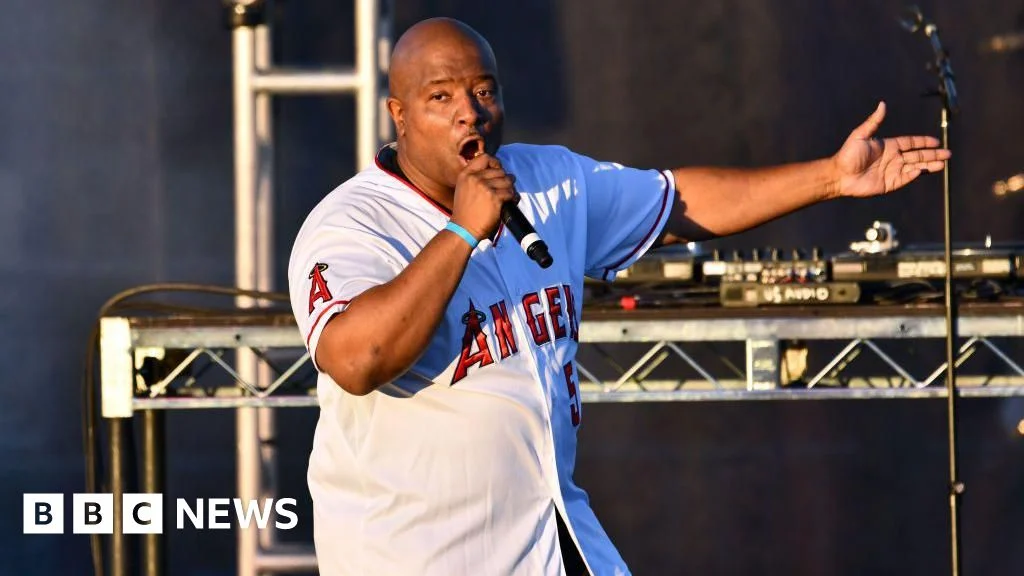
Former U.S. President Donald Trump has publicly attacked performers who have withdrawn from the upcoming "Freedom 250" concert, a major event intended to celebrate the nation's 250th anniversary. Artists such as Young MC, Poison frontman Bret Michaels, and country singer Martina McBride cited concerns that the event was becoming overly political, prompting their departure. Trump, in response, not only criticized their decision but also hinted at the possibility of making an appearance himself, further fueling the controversy surrounding the concert's perceived political alignment.
This development underscores the highly polarized political landscape in the United States, where even cultural celebrations can quickly become battlegrounds for ideological divides. Trump's involvement and his public statements transform what might have been a bipartisan national observance into another chapter in his ongoing political narrative. For the public, it means that even events designed for unity can inadvertently deepen existing societal rifts, making it harder to find common ground. This political friction can also indirectly influence market sentiment, as heightened uncertainty and cultural clashes often translate into investor caution.
Wall Street Veteran Warns of Ignored Bear Market Signal
Veteran trader Steve Burns is sounding a clear alarm for investors, warning that a critical bear market signal is being largely ignored by Wall Street, potentially putting significant capital at risk. Burns, known for his incisive market commentary, is reportedly preparing for a potential 50% decline in the market, urging investors to recognize what he terms the "three deadly stock-market sins" that are currently eroding portfolios. His analysis suggests that a pervasive overconfidence and a disregard for historical patterns are setting the stage for a substantial correction.
This warning carries considerable weight, as market cycles often follow predictable patterns, and ignoring key indicators can lead to severe financial consequences. For the average investor, this means a heightened need for vigilance and a reassessment of portfolio exposure to volatile assets. While the broader market may appear stable on the surface, such expert warnings highlight underlying fragilities that could manifest suddenly, impacting everything from retirement savings to daily purchasing power. In the current climate, where global economic factors are already complex, understanding these signals becomes paramount for protecting wealth.
The True Cost of Iran War Fuels Global Inflation
While the Pentagon officially pegs the cost of the ongoing conflict involving Iran at $29 billion, a new analysis from MarketWatch asserts that the real bill is significantly higher and is actively contributing to global inflationary pressures. This hidden cost extends beyond direct military expenditures, encompassing disruptions to global supply chains, increased energy prices due to regional instability, and the long-term economic consequences of prolonged geopolitical tension. These factors collectively exert upward pressure on prices for consumers worldwide, making everyday goods and services more expensive.
For Iranian portfolios, the inflationary impact is particularly acute. The Iranian Toman has seen a slight depreciation against the USD, with the USD moving from 171,200 to 170,350 (-0.5%), reflecting ongoing economic pressures. Similarly, the value of traditional hedges like gold and local coins has also dipped; Gold 18k/gram decreased from 18,873,678 to 18,744,171 (-0.7%), and the Emami coin saw a more significant drop from 184,000,000 to 180,000,000 (-2.2%). This trend indicates that even traditional safe-haven assets are struggling to fully insulate investors from the broader economic fallout and the specific local challenges exacerbated by regional conflicts.
Institutional Investors Make Calculated Bets Amid Market Volatility
In a demonstration of how institutional investors navigate complex market conditions, a notable fund has made a significant $5.4 million purchase into Ultragenyx Pharmaceuticals, despite the company's shares slipping by 30% over the past year. This move suggests a belief in the long-term value or turnaround potential of Ultragenyx, possibly based on pipeline developments, market positioning, or a strategic undervaluation. Such calculated risks are common among large funds seeking to capitalize on dips that individual investors might shy away from.

Concurrently, there's also an $18 million new bet on Cal-Maine Foods, highlighting continued interest in staple goods and defensive sectors amidst broader market uncertainty. These investment decisions reflect a dual strategy: seeking deep value in underperforming growth stocks while also shoring up positions in more stable, essential industries. For the everyday investor, these institutional plays offer insights into how diversified portfolios are constructed to withstand volatility, balancing high-risk, high-reward opportunities with more conservative, foundational holdings.
Iran's Parliament Speaker Hails Asian Wrestling Title as a Sign of National Strength
In a moment of national pride, Iran's Parliament Speaker, Mohammad Bagher Ghalibaf, extended his congratulations to the national cadet Greco-Roman wrestling team for securing the Asian championship title in Vietnam. Ghalibaf lauded this achievement as clear evidence of Iran's distinguished status and inherent sporting strength on the international stage. This victory, particularly in a sport deeply embedded in Iranian culture, resonates strongly with the public and serves as a significant morale booster.
Such sporting triumphs often transcend the realm of athletics, becoming symbols of national resilience and capability in broader geopolitical and economic contexts. For Iran, these successes offer a counter-narrative to the ongoing external pressures and internal economic challenges, fostering a sense of unity and national pride. It reinforces the idea that despite various obstacles, the nation continues to excel and demonstrate its prowess in areas of traditional strength, contributing to a positive national identity and public sentiment.
Frequently Asked Questions
Why are artists withdrawing from the 'Freedom 250' concert?
What bear market signal is Wall Street reportedly ignoring?
How is the Iran war contributing to global inflation?
How are Iranian markets specifically affected by these economic pressures?
What do the recent institutional investments in Ultragenyx and Cal-Maine Foods signify?
Understanding Bear Markets: What They Mean for Investors
A bear market is a period in which stock prices fall 20% or more from recent highs, typically over a span of several months or longer. The term comes from the way a bear attacks—swiping its paws downward—symbolising the downward trend in asset prices. While the exact threshold can vary among analysts, the 20% decline is the most widely accepted rule of thumb used by economists and market participants.
Bear markets are measured using broad market indices such as the S&P 500, Dow Jones Industrial Average, or MSCI World. When these benchmarks drop 20% from their peak and stay below that level for an extended period, the market is said to be in a bear phase. The duration can range from a few weeks to several years; the longest modern bear market in the United States lasted from 2007 to 2009, spanning roughly 17 months.
Several forces can trigger a bear market. Economic slowdowns, rising interest rates, tightening monetary policy, and heightened geopolitical risk—such as the cost of a war—can all depress corporate earnings and investor confidence. In the current climate, rising inflation driven by war‑related supply shocks and higher energy prices has prompted central banks to raise rates, a classic catalyst for a market downturn.
For investors, a bear market does not have to mean disaster. Strategies like diversification across asset classes, maintaining a cash buffer, and using dollar‑cost averaging to buy stocks at lower prices can mitigate losses. Some investors also turn to defensive sectors—utilities, consumer staples, and healthcare—that tend to perform better when the economy weakens.
The headline you encountered ties together political rhetoric, a high‑profile concert cancellation, and mounting concerns about a bear market. When leaders like former President Trump comment on cultural events while warning of a bear market, they are tapping into the broader anxiety that a prolonged decline in equity prices could exacerbate inflationary pressures and erode real wages, especially in economies already strained by war costs.
Topics
Related Articles