
Wall Street Hits Record Highs as Tech Titans Lead Market Surge; USD Edges Lower in Tehran Amid Crypto Seizures
رکوردشکنی والاستریت با پیشتازی انویدیا و تسلا؛ عقبنشینی دلار در تهران همزمان با توقیف گسترده رمزارزها
Global markets are rallying as Dow Jones futures hit new highs, driven by massive gains in Nvidia and Tesla despite ongoing uncertainty over a potential Iran deal. In Tehran, the USD fell 0.5% to 170,400 Toman as news of a $1 billion U.S. crypto seizure and negotiable Hormuz tolls shifted market sentiment.
At time of publishing
USD
170,400
Toman
Gold 18K
18.74M
Toman / gram
Bitcoin
$73,881
US Dollar
Tether
170,450
Toman
Tech Titans Drive Wall Street to New Heights
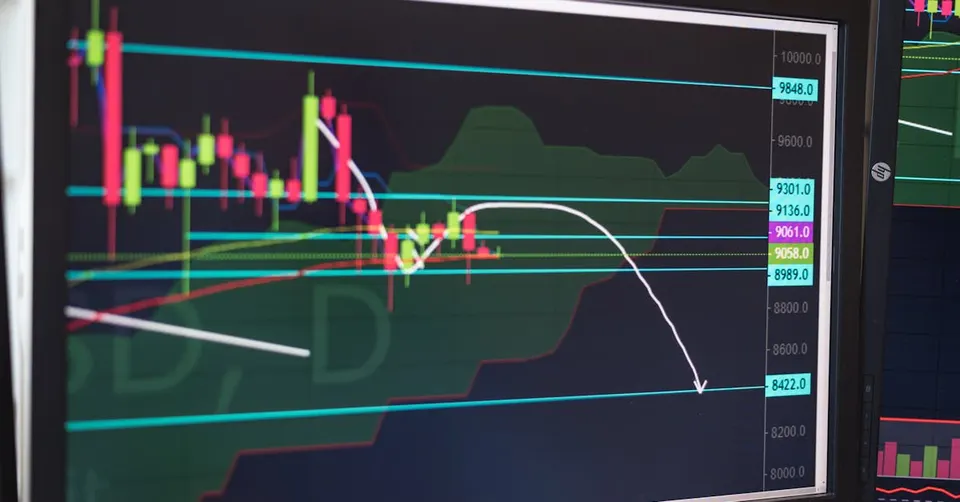
Global financial markets are currently witnessing a remarkable decoupling from geopolitical anxieties. Despite the looming 'final determination' from the Trump administration regarding a potential deal with Iran, Dow Jones futures and the broader S&P 500 have hit fresh record highs. The rally is being spearheaded by the 'Magnificent Seven,' with Nvidia and Tesla specifically reaching critical buy points that have institutional investors doubling down on their positions. This surge reflects a market that is increasingly betting on domestic economic resilience and the continued AI-driven productivity boom, largely ignoring the volatile headlines coming out of the Middle East and Eastern Europe.
In the local Iranian market, this global bullishness has translated into a cautious retreat for hard assets. The USD/IRR exchange rate moved from 171,200 to 170,400, marking a 0.5% decrease over the last 24 hours. This slight cooling suggests that the immediate panic buying seen earlier in the week has subsided, as traders wait for concrete policy shifts rather than speculative rumors. Gold 18k also followed this downward trend, dropping from 18,873,678 to 18,744,171 Toman per gram (-0.7%). For the Iranian investor, the current environment is one of 'wait and see,' as the premium on the dollar thins out in the face of a robust, albeit distant, Wall Street performance.
Geopolitical Pressure and the Hormuz Toll Negotiation
While equity markets thrive, the geopolitical landscape remains fraught with complexity. A major development this hour involves Qatar’s announcement that the temporary charges for passage through the Strait of Hormuz are 'negotiable.' This is a significant shift in regional maritime policy, potentially easing the financial burden on global shipping lanes that have been squeezed by rising insurance premiums and security costs. Qatar’s role as a mediator is once again in the spotlight, as it attempts to balance its relations with Tehran and Washington by ensuring that the vital waterway remains economically viable for international trade.
Simultaneously, the United States has escalated its financial pressure campaign through 'Operation Economic Fury.' U.S. authorities announced the seizure of approximately $1 billion in Iranian-linked cryptocurrency, a move designed to sever the digital arteries used to bypass traditional banking sanctions. This massive seizure has sent ripples through the local crypto community in Iran, contributing to the 2.2% drop in the Emami coin price, which fell from 184,000,000 to 180,000,000 Toman. The intersection of maritime diplomacy and digital asset warfare is creating a highly unpredictable environment for those holding large positions in non-fiat assets.

Longevity Spending and Human Interest in a High-Stakes Era
Beyond the immediate noise of markets and sanctions, a fascinating story has emerged regarding Russia’s long-term strategic spending. Reports indicate that President Putin has authorized a $26 billion state-backed program focused on longevity and anti-aging research. While seemingly disconnected from the current conflict in Ukraine or the tensions in the Persian Gulf, this massive allocation of capital signals a leadership focused on long-term continuity. The program aims to integrate advanced biotechnology into the national healthcare infrastructure, highlighting how even in times of severe economic sanctions, major powers are prioritizing 'frontier sciences' to ensure domestic stability and leadership longevity.
On a more human scale, the world watched with relief as five miners were successfully rescued from a flooded cave in Laos after more than a week underground. The rescue, which involved pumping massive amounts of water and complex diving maneuvers, serves as a rare moment of international cooperation in an otherwise divided global landscape. These stories—from the multi-billion dollar quest for immortality in Moscow to the gritty, life-saving efforts in the jungles of Laos—remind us that while financial markets are driven by numbers and algorithms, the underlying human drive for survival and legacy remains the ultimate mover of global events.
Frequently Asked Questions
Why is the U.S. seizing Iranian cryptocurrency now?
How does Qatar's stance on Hormuz tolls affect the Iranian economy?
Why are Nvidia and Tesla stocks rising despite geopolitical tension?
What Are Dow Jones Futures and Why Do They Matter?
Dow Jones futures are contracts that let investors bet on the future level of the Dow Jones Industrial Average (DJIA), the 30‑stock benchmark that tracks the health of the U.S. stock market. A futures contract obligates the buyer to purchase, or the seller to deliver, the index at a predetermined price on a specific future date. Because the DJIA cannot be delivered physically, the contract is cash‑settled: at expiration, the difference between the contract price and the actual DJIA level is paid in cash.
These contracts trade on the Chicago Mercantile Exchange (CME) almost 24 hours a day, allowing market participants to react to news and events that happen outside regular equity market hours. When investors expect a strong earnings season, a positive tech earnings report (like Nvidia’s) or geopolitical developments (e.g., tensions in the Strait of Hormuz), they may buy Dow futures to lock in a higher price. Conversely, a bearish outlook leads to selling futures, which can pull the spot market down as traders adjust their positions.
Futures serve three key purposes: price discovery, risk management, and leverage. Price discovery means the futures market reflects collective expectations about where the DJIA will end up, often providing an early signal of market direction before the equity market opens. Risk management, or hedging, lets institutional investors protect portfolios from adverse moves—if a fund holds many DJIA stocks, it can sell futures to offset potential losses. Finally, because futures require only a margin deposit (a fraction of the contract’s notional value), traders can control large exposures with relatively little capital, amplifying both gains and losses.
Understanding Dow Jones futures helps anyone interpret headlines that mention “Dow futures up 200 points” or “futures pointing to a higher open.” The movement of these contracts can foreshadow the opening price of the DJIA, influence investor sentiment, and even affect related assets such as Nvidia or Tesla stocks. For retail investors, watching futures can be a useful barometer of market mood, but it’s essential to remember the leverage involved and the risk of rapid reversals.
In practice, if you see a headline like “Dow Jones futures rise as tech titans lead market surge,” it signals that traders expect the DJIA to open higher, driven by strong performance from large‑cap tech companies. This expectation can translate into higher opening prices for the index and its constituent stocks, reinforcing the momentum that propelled the market to record highs.
Topics
Related Articles