
Recruitment Scandal Hits New Lows in UK; Australia Shifts Aukus Strategy Amid Rising Pacific Tensions
رسوایی بدهی شرکتهای استخدامی در بریتانیا و تغییر راهبردی استرالیا در پیمان آکوس
A recruitment firm defaults on debts after treating staff to Las Vegas, while Australia pivots to secondhand US nuclear subs. Meanwhile, Japan and Taiwan tighten security stances against Chinese influence.
At time of publishing
USD
170,400
Toman
Gold 18K
18.73M
Toman / gram
Bitcoin
$73,921
US Dollar
Tether
170,450
Toman
The Audacity of 'Phoenixism': Vegas Trips and Unpaid Debts
In a move that has sparked outrage across the British business community, Premier Group Recruitment is back in the headlines for all the wrong reasons. The firm, which recently entered administration with nearly £3 million in debt—including a substantial £647,000 owed to HMRC—has seen its leadership fail to meet buy-back payment installments. This failure comes despite the company’s executive promising staff an all-expenses-paid trip to Las Vegas, a move that critics argue highlights the systemic flaws in the practice known as 'phoenixism.' This controversial accounting maneuver allows directors to liquidate a debt-ridden company and immediately rise from the ashes as a new entity, often shedding their financial obligations to taxpayers and suppliers in the process.
For the average observer, this is more than just a story of corporate mismanagement; it is a symptom of a regulatory environment that appears to reward risk-shifting. While the executive in question attempted to buy back the assets of his bust company in installments, the prioritization of a luxury staff retreat over legal debt obligations to the public purse raises serious ethical questions. It signals a potential tightening of oversight for insolvency practitioners in the UK, as the public and political pressure to close these 'phoenix' loopholes intensifies. For markets, it serves as a reminder that corporate governance and credit risk remain volatile, even in established recruitment sectors.

The Aukus Pivot: Secondhand Subs and Regional Realignment
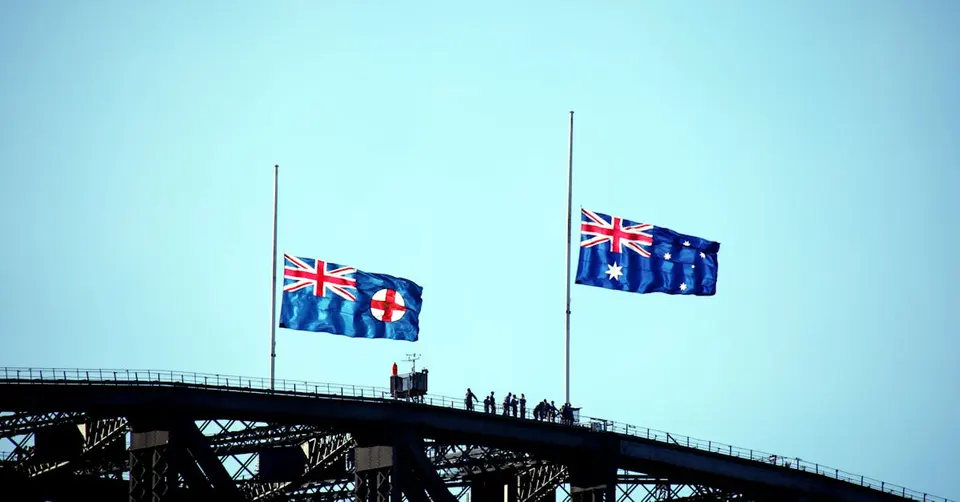
Australia has signaled a major shift in its defense procurement strategy within the Aukus framework, opting to purchase secondhand nuclear-powered submarines from the United States rather than waiting for new builds. This decision, discussed during a heated political session, reflects the urgent need for Canberra to bolster its maritime capabilities amid escalating tensions in the Indo-Pacific. While the Labor government remains committed to the alliance, the shift to 'pre-owned' vessels underscores the logistical and financial pressures of maintaining a cutting-edge military. At the same time, internal debates over negative gearing and housing affordability continue to plague the domestic agenda, showing that even the most ambitious geopolitical goals must eventually contend with the reality of a household budget.
This strategic recalibration is happening against a backdrop of increasing friction between Japan and China. Japan’s Defense Minister, Shinjiro Koizumi, recently rebuffed claims of 'new militarism' leveled by Beijing, asserting that Tokyo’s more muscular security stance is a necessary response to China’s lack of military transparency. As Japan sheds its post-WWII pacifist shell with US encouragement, the regional power balance is shifting. For global investors, this means the 'peace dividend' in East Asia is rapidly evaporating, replaced by a permanent state of high-readiness that will likely drive defense spending and industrial demand for years to come.
Defending Democracy: Taiwan’s Infiltration Fears and Germany’s Cultural Shift
In Taiwan, the debate over national security has taken a personal turn as 'Mainland Spouses' from China become the focal point of infiltration fears. Accusations of foreign interference have forced the island’s democracy to walk a fine line between protecting its sovereignty and avoiding the profiling of migrants. This internal tension is a microcosm of the broader 'Cold War 2.0' dynamic, where soft power and demographic shifts are viewed through the lens of hybrid warfare. As Taiwan prepares for further pressure from Beijing, the social fabric of the island is being tested by the need for vigilance against the backdrop of its democratic values.
Meanwhile, in Europe, Germany is taking a different approach to preserving its social and economic fabric. The government under Friedrich Merz has moved to reclassify nightclubs as cultural and artistic venues rather than mere 'amusement facilities.' This policy change is designed to protect the country's embattled nightlife from rising rents and urban development. By giving clubs the same legal status as theaters or opera houses, Berlin is attempting to safeguard a multi-billion euro industry that defines its global brand. It is a rare example of a government using building regulations as a tool for economic and cultural preservation in an era of rapid gentrification.
Market Snapshot: Gold Dips and Bitcoin Sentiment Peaks
At 10:00 Tehran time, the Iranian markets show a period of relative consolidation. The US Dollar (USD) remains flat at 170,400 Toman, showing no change over the last 24 hours. However, Gold 18k has seen a minor decline, moving from 18,744,171 to 18,733,090 Toman, a decrease of 0.1%. This slight dip in local gold prices reflects a broader stabilization in global markets, even as the international gold ounce remains historically high at $4,540.30. Investors in Tehran are keeping a close eye on the US-Tehran deal, which currently remains in limbo, potentially acting as a floor for currency volatility in the short term.
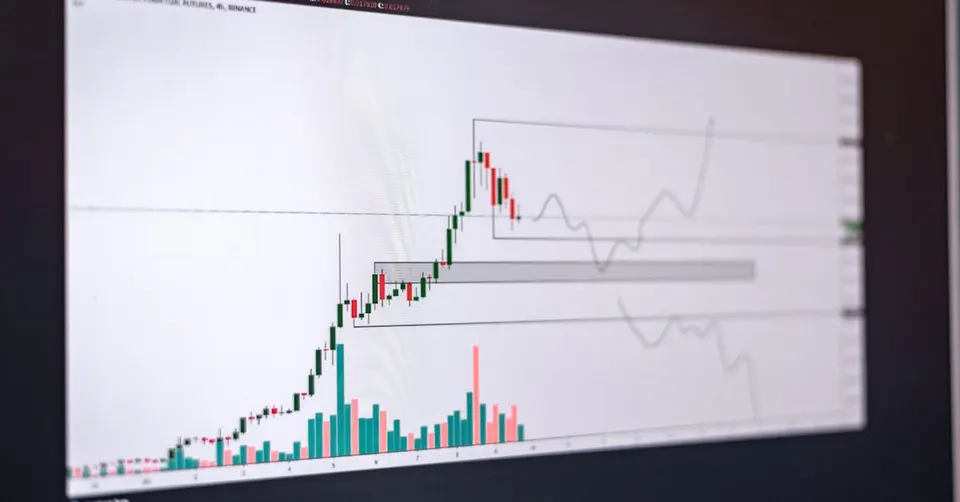
In the crypto space, Bitcoin (BTC) is trading at $73,921. While the price remains strong, sentiment analysis from Santiment suggests that the market has reached a 'lopsided positive' ratio, which historically has been a precursor to short-term price pullbacks. Traders are cautioned that while the long-term outlook remains bullish, the current 'dip buying' volumes lack the conviction needed to sustain a massive breakout immediately. For Iranian crypto enthusiasts, the USDT rate at 170,450 Toman continues to track the free market dollar closely, providing a vital bridge for capital preservation amidst regional uncertainty.
Frequently Asked Questions
What is 'phoenixism' in the context of the UK recruitment scandal?
Why is Australia buying secondhand submarines instead of new ones?
How is the Bitcoin market sentiment affecting current prices?
Why did Germany reclassify its nightclubs as cultural venues?
Understanding the AUKUS Pact and Its Nuclear Submarine Initiative
The AUKUS partnership—an acronym for Australia, the United Kingdom, and the United States—was announced in September 2021 as a trilateral security pact aimed at deepening defence cooperation in the Indo‑Pacific region. One of its most headline‑grabbing components is Australia’s plan to acquire nuclear‑powered submarines, a move that will give Canberra a far‑more stealthy and longer‑range under‑sea capability than its current diesel‑electric fleet.
Nuclear propulsion offers several strategic advantages: submarines can stay submerged for months, travel at higher speeds, and operate with far less acoustic signature, making them harder to detect. For Australia, this capability is seen as essential to counterbalance the rapid naval expansion of China and to reassure allies such as Japan and the United States amid growing regional tensions.
The procurement process is complex. Australia will receive four Virginia‑class submarines built in the United States, followed by a domestic construction program for up to twelve additional boats. The deal involves technology transfer, a nuclear‑reactor support framework, and a massive financial commitment—estimated at over US$100 billion across the program’s lifetime. Critics point to cost overruns, the need for a skilled nuclear workforce, and the political sensitivity of nuclear propulsion in a non‑nuclear‑weapon state.
Beyond the hardware, AUKUS signals a shift in the strategic calculus of the Indo‑Pacific. It deepens the United Kingdom’s post‑Brexit defence ties with the region, while the United States solidifies its alliance network to deter potential aggression. The pact also raises questions about non‑proliferation norms, as it expands nuclear technology beyond traditional nuclear‑armed states.
For observers, the AUKUS submarine initiative illustrates how modern security alliances blend technology, economics, and geopolitics. Understanding its mechanics helps explain why countries like Japan and China are closely watching Australia’s naval transformation and why the partnership is reshaping the balance of power in the Pacific.
Topics
Related Articles