Gaza Toll Surpasses 72,000 as Hormuz Disruptions Fuel US Energy Dominance; Iranian Markets Hold Steady
تلفات غزه از ۷۲ هزار نفر گذشت؛ سلطه انرژی آمریکا در پی انسداد هرمز و ثبات نسبی در بازار ارز ایران
The regional crisis deepens as the Gaza death toll hits a tragic milestone, while the ongoing disruption in the Strait of Hormuz reshapes global energy flows. Despite the geopolitical storm, Tehran's currency markets show a rare moment of stability at the 170,400 Toman level.
At time of publishing
USD
170,400
Toman
Gold 18K
18.73M
Toman / gram
Bitcoin
$73,745
US Dollar
Tether
170,600
Toman
The Human Cost of Conflict and the Diplomatic Stalemate
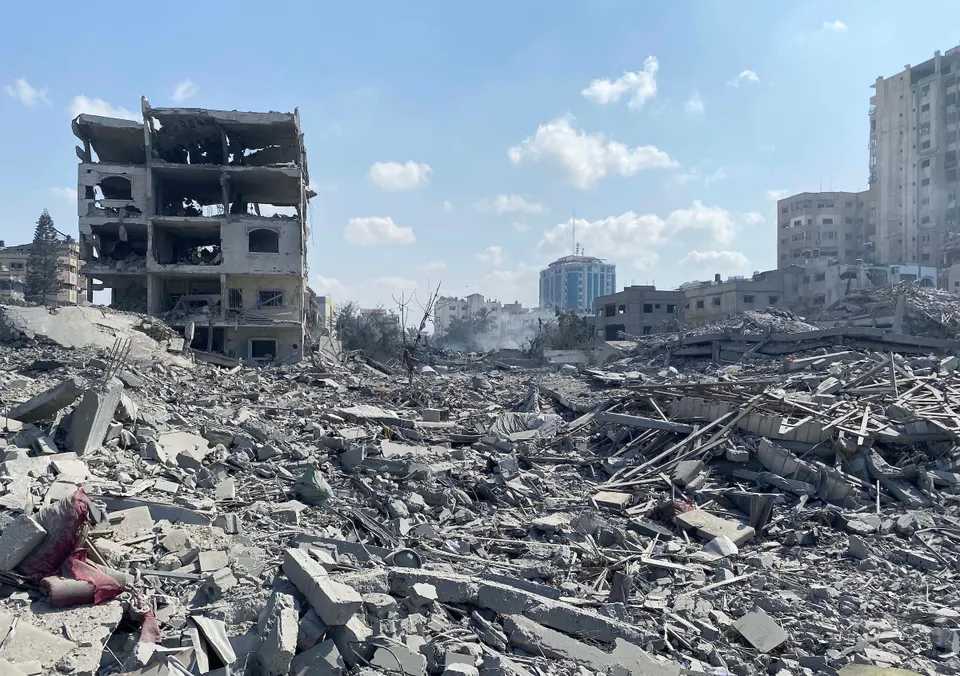
The humanitarian situation in the Middle East has reached a devastating new milestone as the Gaza death toll officially climbed to 72,938 according to the latest reports from Tehran. This grim figure comes amidst continued aggression in the Gaza Strip and a widening conflict that has now seen the Lebanese Prime Minister describe recent actions as a form of "collective punishment." The diplomatic path forward remains murky at best; the highly anticipated deal between Washington and Tehran appears to be in a state of limbo, with US officials warning of potential strikes if a resolution is not reached soon. This atmosphere of uncertainty is casting a long shadow over regional stability, keeping risk premiums high for every asset class from oil to local currencies.
For the Iranian reader, this geopolitical gridlock translates directly into a "wait-and-see" posture in the markets. Despite the intensity of the headlines, the USD/IRR rate has shown a surprising level of inertia, holding firm at 170,400 Toman (0.0% change over 24 hours). This stability suggests that the market has already priced in a significant amount of regional tension, or perhaps that major players are hesitant to make large moves until the fate of the US-Tehran deal is clarified. However, the gold market is showing signs of minor cooling; the price of 18k gold dipped slightly from 18,744,171 to 18,733,090 Toman (-0.1%), while the Emami coin saw a more pronounced decrease from 180,000,000 to 179,000,000 Toman (-0.6%).
The LNG Pivot: America’s Gain Amidst Hormuz Disruptions
The ongoing conflict has fundamentally altered the global energy map, specifically through the disruption of the Strait of Hormuz. Since late February, coordinated strikes have effectively stripped roughly 20% of the world’s Liquefied Natural Gas (LNG) supply from the market. This vacuum has created a rare and lucrative opportunity for the United States to assert energy dominance. American gas exports to Asia surged throughout April as buyers scrambled to replace lost Middle Eastern cargoes. For the first time in years, the US finds itself as the primary guarantor of energy security for fractured global markets, a position that carries both immense economic profit and significant geopolitical leverage.
However, the long-term outlook remains contested by China’s strategic maneuvering. While the US is reaping the immediate rewards of the price surge, Beijing is reportedly planning for a post-crisis world. China has managed to insulate itself relatively well so far, utilizing massive oil and gas inventories built up before the current hostilities began. But this buffer is not infinite. If Chinese refiners are forced back into the open market while prices remain elevated due to the Hormuz blockade, we could see a secondary spike in global inflation. This energy tug-of-war is the underlying engine driving much of the current global economic volatility, making energy independence a matter of national survival rather than just policy preference.
---
Diplomatic Friction and the Battle for International Narrative
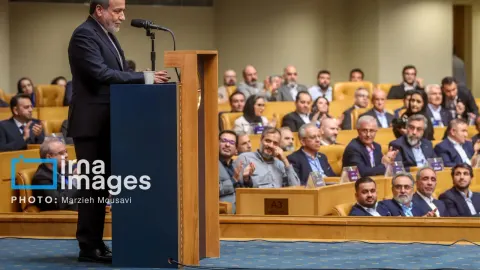
On the diplomatic front, the Iranian embassy in Copenhagen has officially rejected allegations from Denmark’s intelligence services, labeling them as "baseless." Tehran views these accusations as part of a coordinated effort by Western nations to politically and internationally isolate the Islamic Republic. This friction in Northern Europe is a microcosm of the broader pressure campaign being directed at Iran. By framing security concerns as political maneuvers, Tehran is attempting to push back against the narrative of isolation, even as its regional influence is tested by the ongoing wars in Gaza and Lebanon. This diplomatic theater is crucial for investors to watch, as any further breakdown in European-Iranian relations could trigger new rounds of sanctions that would inevitably impact the Toman’s valuation.
Meanwhile, in South America, a different kind of diplomatic meddling is unfolding. Ecuador has been accused of interfering in the Colombian elections by offering to cancel tariffs in exchange for political alignment with right-wing candidates. While this seems distant from the Middle East, it highlights a global trend of using trade and tariffs as blunt instruments of political influence. For the global economy, this fragmentation of trade—where tariffs are used as electoral bribes—threatens the stability of international markets. Whether it is a sacred site being bulldozed for the Brisbane Olympics despite indigenous protests or a tariff vow in Quito, the message is clear: the old rules of global cooperation are being rewritten by local interests and geopolitical necessity.

Crypto Security and the Fight Against DeFi Exploits
In the world of digital assets, the XRP Ledger (XRPL) is making headlines with a new proposal aimed at ending the scourge of flash loan attacks. These exploits, which have cost the Decentralized Finance (DeFi) ecosystem hundreds of millions of dollars on networks like Ethereum, are being addressed through an architectural quirk in the XRPL that makes such attacks "structurally impossible." This move is a clear attempt by the XRPL community to position the network as a safer, more institutional-grade alternative for financial applications. In an era where security is the primary barrier to mass adoption, such technical safeguards could prove more valuable than any marketing campaign.
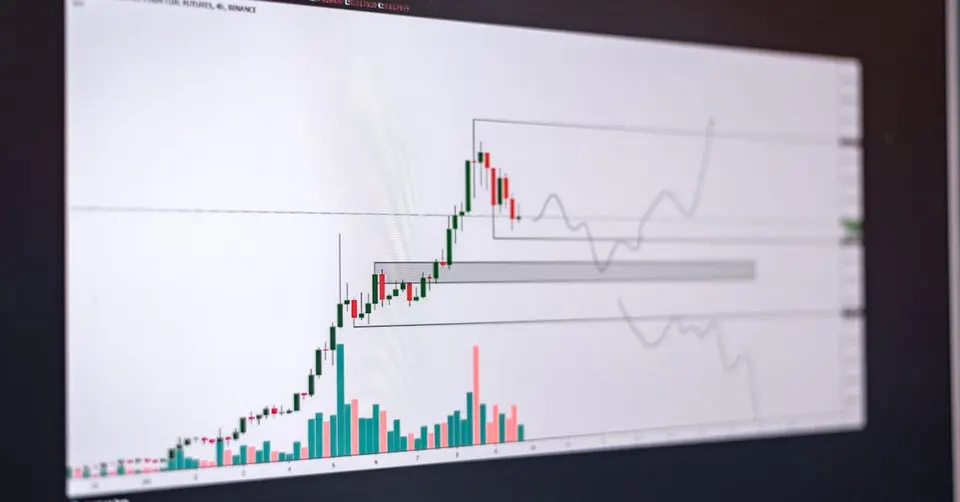
Bitcoin, meanwhile, remains at a "pivotal level" around $73,745. Analysts are closely watching the $65,000 support zone, noting that the current market setup feels different from previous breakdowns. The SEC is also keeping the pressure on the industry, recently suing the founder of Privvy over a $12.3 million scheme involving fake AI trading bots. These developments serve as a reminder that while the technology evolves, the regulatory and security risks remain as potent as ever. For Iranian crypto investors, who often use digital assets as a hedge against local currency fluctuations, the stability of Bitcoin above the $70k mark provides a necessary buffer against the stagnation seen in the traditional domestic markets this hour.
Frequently Asked Questions
Why has the USD/IRR remained stable despite the rising Gaza death toll?
How is the Strait of Hormuz disruption affecting global energy prices?
What is the 'flash loan' proposal for the XRP Ledger?
The Strait of Hormuz: Global Energy's Vital Chokepoint
The Strait of Hormuz stands as one of the world's most critical maritime chokepoints, a narrow waterway connecting the Persian Gulf to the open ocean. Its geographical significance is immense, as it serves as the sole sea passage for a substantial portion of the world's crude oil and liquefied natural gas (LNG) exports. Flanked by Iran to the north and Oman's Musandam Peninsula to the south, this strategic strait is indispensable for the global energy supply chain, with thousands of tankers traversing its waters annually.
This 21-mile-wide passage is particularly vital for the oil-rich nations bordering the Persian Gulf, including Saudi Arabia, Iran, Iraq, Kuwait, Qatar, and the United Arab Emirates. A significant percentage of the world's seaborne crude oil and LNG passes through Hormuz, making it a crucial artery for energy consumers worldwide. Any disruption, whether due to geopolitical tensions, military conflict, or even piracy, immediately sends ripples through international energy markets, leading to price spikes and heightened concerns about energy security.
The headline's mention of "Hormuz Disruptions Fuel US Energy Dominance" highlights a key geopolitical dynamic. While disruptions in the Strait of Hormuz threaten global supply, they can paradoxically bolster the strategic position of major energy producers outside the region, such as the United States. As a leading producer and exporter of oil and natural gas, the U.S. can offer alternative supplies during times of instability, potentially increasing its market share and geopolitical leverage. This dynamic underscores how regional vulnerabilities can reshape global energy landscapes and influence international power balances.
Understanding the Strait of Hormuz is essential for grasping the intricate connections between geopolitics, energy markets, and global economic stability. Its continued security is paramount not only for the economies of the Persian Gulf states but for the uninterrupted flow of energy that powers industries and households across the globe.
Topics
Related Articles