
US Maritime Strikes Ignite Latin American Tensions; Israel Seizes Strategic Beaufort Castle in Deepest Lebanon Incursion
تنش در آمریکای لاتین با حملات دریایی آمریکا؛ تسخیر قلعه راهبردی بوفورت توسط اسرائیل در عمق خاک لبنان
As US boat strikes in Colombia and Ecuador leave over 200 dead, regional livelihoods are under threat. Meanwhile, Israel's capture of the historic Beaufort Castle marks its deepest push into Lebanon in 26 years, rattling global energy risk premiums.
At time of publishing
USD
170,600
Toman
Gold 18K
18.76M
Toman / gram
Bitcoin
$73,816
US Dollar
Tether
170,328
Toman
The Rising Human and Economic Toll of US Maritime Operations
The coastal communities of Colombia and Ecuador are facing a deepening crisis as the death toll from U.S. maritime boat strikes and associated airstrikes has officially surpassed the 200 mark. This campaign, ostensibly aimed at security and interdiction, has sent shockwaves through the region, forcing local residents to reconsider the ocean as a viable source of livelihood. Families who have relied on artisanal fishing and coastal trade for generations now describe a climate of fear where any vessel on the horizon is viewed with suspicion and dread. The psychological impact is matched only by the economic devastation, as primary trade routes for small-scale local commerce are effectively being severed by the intensity of the operations.
From a geopolitical perspective, these incidents are straining the relationship between Washington and its South American partners. While the U.S. maintains that these strikes are necessary for regional security, the 'greater cost' cited by locals includes the total erosion of trust and the collapse of local maritime economies. For investors and analysts, this signals a potential shift in regional stability that could impact supply chains and commodity exports from the northern Andean region. If the backlash continues to grow, we may see a pivot in local governments toward more restrictive maritime policies or a demand for a complete halt to foreign military presence in their territorial waters.

Israel’s Strategic Pivot: The Fall of Beaufort Castle
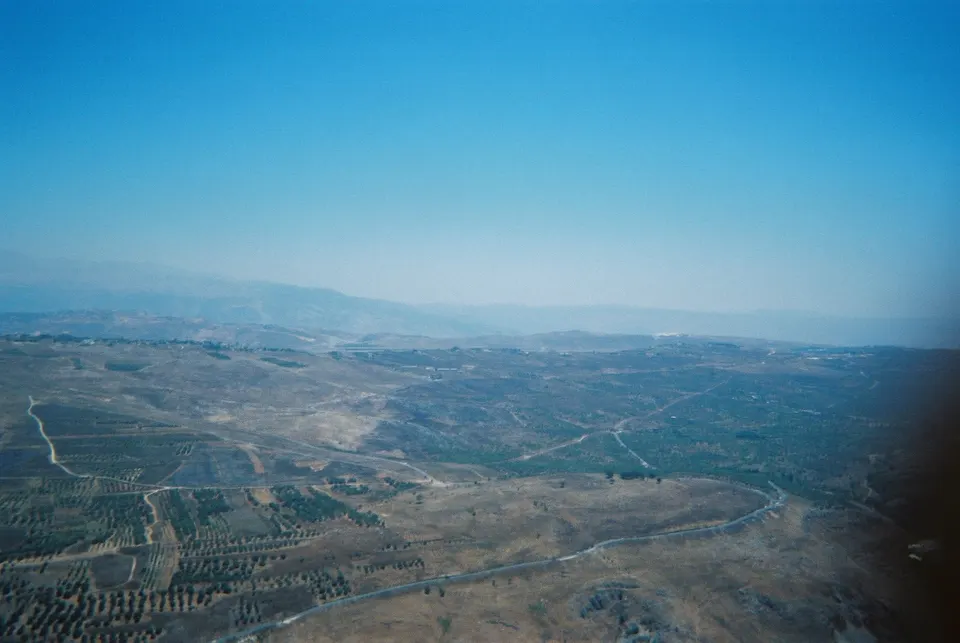
In a move that has significantly escalated the Middle East crisis, the Israeli army has captured the historic Beaufort Castle in southern Lebanon. This represents the deepest incursion into Lebanese territory in 26 years, signaling a major shift in the tactical landscape of the conflict. The Crusader-era fortress, which sits atop a 700-meter cliff, offers unparalleled views of the Litani River and the surrounding valleys, making it a prize of immense strategic value. Footage from the scene shows the Israeli flag flying over the ancient stone battlements, a visual that carries heavy symbolic weight in a region where historical sites often double as modern military bastions.
This escalation comes despite talks of a nominal ceasefire, suggesting that the ground reality is moving much faster than diplomatic efforts. By pushing past the Litani River, Israel has redefined the de facto boundaries of the conflict, designating the area up to the Zahrani River as a combat zone. For global markets, this development is a reminder of the persistent risk premium attached to Middle Eastern energy routes. As the conflict deepens and reaches strategic high points like Beaufort, the likelihood of a broader regional involvement increases, keeping oil traders on edge and fueling volatility in safe-haven assets like gold.
AUKUS Adjustments and the Reality of Used Submarines
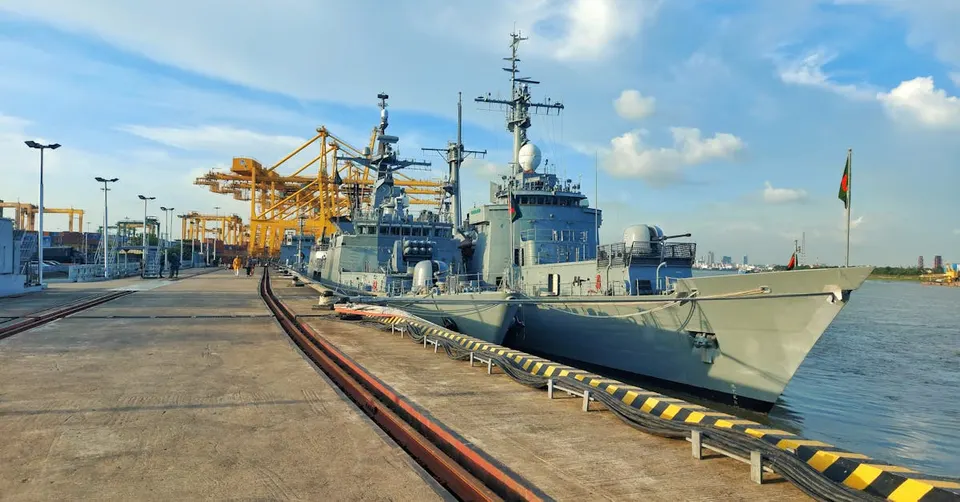
The AUKUS defense pact, often touted as the cornerstone of Western Indo-Pacific strategy, has undergone a pragmatic but controversial amendment. The United States has announced it will only send 'used' Virginia-class nuclear-powered submarines to Australia, rather than new builds. Australian Defence Minister Richard Marles has defended the move as 'cost-effective' and a way to 'streamline' the delivery process, ensuring that Australia gains a nuclear capability within the next 15 years. However, critics argue that receiving second-hand vessels may limit the long-term operational life of the fleet and raises questions about the priority the U.S. is placing on its Pacific allies amid multiple global crises.
This policy shift reflects the immense pressure on the U.S. defense industrial base, which is currently struggling to meet domestic demand while simultaneously supplying allies in Europe and the Middle East. For Australia, the decision is a calculated gamble: accepting used technology now is seen as better than waiting decades for new hulls that might never arrive. This development is being closely watched by Beijing, as any perceived weakness or delay in the AUKUS timeline could embolden China’s maritime claims in the South China Sea. It also underscores a broader trend in global defense where even the wealthiest nations are forced to prioritize speed and cost over cutting-edge perfection.
Iran Market Update: Steady Gains Amid Regional Volatility
Despite the intensifying geopolitical friction in the Levant and South America, the Iranian domestic market showed relatively stable but upward movement in the last 24 hours. The USD/IRR pair saw a minor increase, moving from 170,400 to 170,600 Toman, a rise of 0.1%. This stability suggests that the market has already priced in much of the regional tension, though the demand for hard currency remains a persistent undercurrent. Gold prices followed a similar trajectory, with 18k gold per gram rising 0.1% to reach 18,755,021 Toman, mirroring the slight strength in the global ounce which sits at a robust $4,540.30.
Interestingly, the Emami coin bucked the trend, dropping from 180,000,000 to 179,500,000 Toman (-0.3%). This divergence often points to a shift in domestic speculative interest or a local correction after recent highs. Meanwhile, in the digital asset space, Bitcoin continues to hold near its historic levels at $73,816, providing a digital alternative for local investors looking to hedge against Toman inflation. As the global situation remains fluid, the Iranian market appears to be in a 'wait-and-see' mode, sensitive to any further escalations that could disrupt trade or oil flows through the Strait of Hormuz.
Frequently Asked Questions
Why is the capture of Beaufort Castle significant?
What is causing the deaths in Colombia and Ecuador?
Why is the US sending used submarines to Australia instead of new ones?
Understanding Geopolitical Risk: Navigating Global Instability
Geopolitical risk refers to the potential for political events, conflicts, and international power struggles to disrupt global economic activity. It encompasses a wide array of factors, from armed conflicts and regional tensions to trade wars, sanctions, and shifts in alliances. When we see headlines about military incursions, maritime strikes, or the formation of defense pacts like AUKUS, these are all manifestations of underlying geopolitical dynamics that carry significant risks for stability and prosperity.
The Middle East, for instance, is a perennial hotspot for geopolitical risk due to its vast energy resources and complex historical conflicts. An incursion like Israel's seizure of Beaufort Castle in Lebanon immediately elevates regional tensions, threatening energy supplies and trade routes, and impacting global markets. Similarly, US maritime strikes, whether in Latin America or elsewhere, signal strategic interests and potential flashpoints that can ripple through international relations, affecting everything from commodity prices to shipping costs.
The economic consequences of geopolitical risk are far-reaching. Currency values, like the USD/IRR exchange rate, are highly sensitive to political stability and international sanctions, reflecting investor confidence and a nation's economic outlook. Gold prices often surge during periods of heightened geopolitical uncertainty, as investors seek a safe haven asset. Furthermore, the "Middle East energy risk" highlighted in the keywords underscores how regional instability can directly impact global oil and gas markets, leading to price volatility and supply chain disruptions that affect economies worldwide.
Understanding geopolitical risk is crucial for individuals, businesses, and policymakers alike. It provides a framework for interpreting current events, anticipating potential future challenges, and making informed decisions in an interconnected world. By recognizing the intricate links between political actions, military developments, and economic outcomes, one can better navigate the complexities of the global landscape and prepare for the potential impacts of international instability.
Topics
Related Articles