Global Tributes for Martyred Leader as Israel Seizes Beaufort Castle; USD Holds at 170,400
ادای احترام جهانی به رهبر شهید؛ تصرف قلعه بوفور توسط اسرائیل و ثبات دلار در ۱۷۰,۴۰۰ تومان
A worldwide campaign honors the memory of the martyred Leader of the Islamic Revolution as regional tensions escalate with Israel's seizure of the historic Beaufort Castle in Lebanon. Despite the geopolitical friction, the Iranian Rial remains remarkably stable, with the USD holding steady at 170,400 Toman.
At time of publishing
USD
170,400
Toman
Gold 18K
18.73M
Toman / gram
Bitcoin
$73,825
US Dollar
Tether
170,106
Toman
A Global Pulse of Mourning and Ideological Solidarity
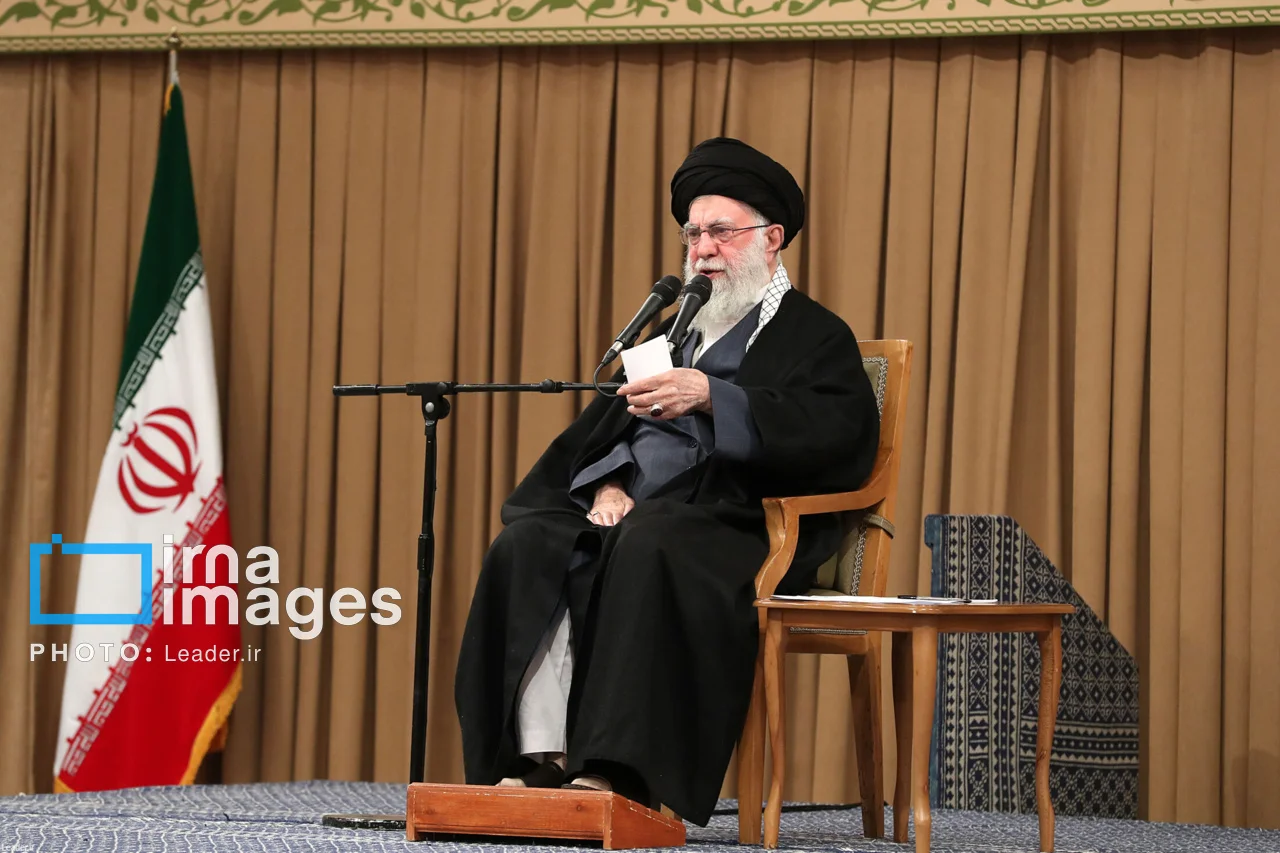
In the wake of the martyrdom of the Leader of the Islamic Revolution, Ayatollah Seyyed Ali Khamenei, a massive international campaign has been launched by cultural activists to honor his legacy. This movement, which calls on Muslims worldwide to dedicate Quranic recitations, prayers, and pilgrimages to the memory of the late Leader, transcends national borders. It serves as a powerful signal of ideological continuity and regional solidarity during a period of significant transition for Iran and its allies. The campaign highlights the deep-seated influence the Leader held across the Muslim world, aiming to consolidate a sense of unity in a time of external pressure.
This atmosphere of reflection is not limited to high-level politics; it is deeply felt on the ground. Three months after the tragic missile strike on a school in Minab, which claimed the lives of over a hundred children, the local community remains in a state of profound grief. While international investigations continue, the domestic sentiment in Iran is increasingly focused on resilience and memory. For the average Iranian, these events are not just headlines; they represent a collective narrative of sacrifice that directly impacts the national psyche and, by extension, the social stability that underpins the domestic economy.

Strategic Shifts: The Fall of Beaufort Castle and Lebanon’s Crisis
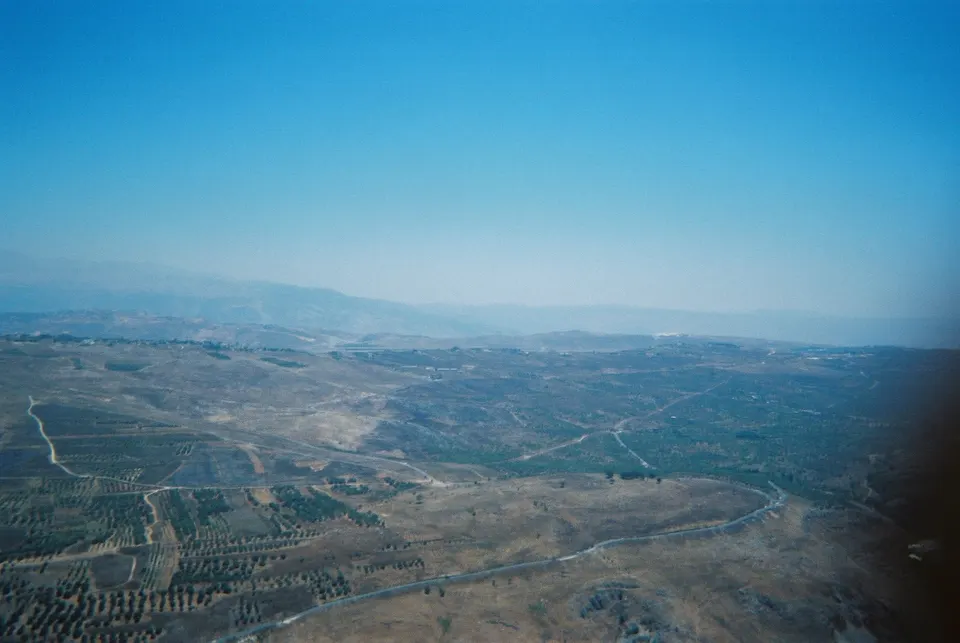
The geopolitical landscape has shifted dramatically this hour as Israeli forces captured the strategic and historic Beaufort Castle in southern Lebanon. This move represents a significant deepening of the ground offensive, with the Israeli military ordering all civilians south of the Zahrani River to evacuate. The capture of Beaufort, a site of immense tactical and symbolic importance, suggests that the current incursion is not a temporary raid but a broader campaign to redraw security lines in the region. This escalation has already resulted in direct casualties, including wounded Lebanese soldiers, and has further complicated the diplomatic efforts previously discussed at the Pentagon.
For global markets, this expansion of conflict raises the specter of prolonged instability in energy transit routes. While the Strait of Hormuz remains technically open, experts warn that "conditional access" could become the new norm, eroding global confidence in maritime security. The risk of a wider regional conflagration is keeping energy traders on edge, even as current prices show a deceptive calm. The psychological impact of seeing historic landmarks like Beaufort fall into combat zones often precedes more volatile market reactions, particularly in gold and oil futures as investors seek safe havens from the growing storm.
Market Resilience Amidst Regional Volatility and DeFi Risks
Despite the heavy geopolitical news, the Iranian financial markets have shown unexpected resilience at the 15:00 Tehran mark. The US Dollar (USD) remains unchanged over the last 24 hours, holding at a sell rate of 170,400 Toman. This stability suggests that the market had already priced in a significant amount of regional risk, or that central interventions are effectively anchoring the currency. Gold, however, saw a minor retreat; 18k gold fell from 18,744,171 to 18,733,090 Toman (-0.1%), and the Emami coin dropped from 180,000,000 to 179,500,000 Toman (-0.3%). This slight cooling in gold prices might reflect a temporary profit-taking phase after recent highs.
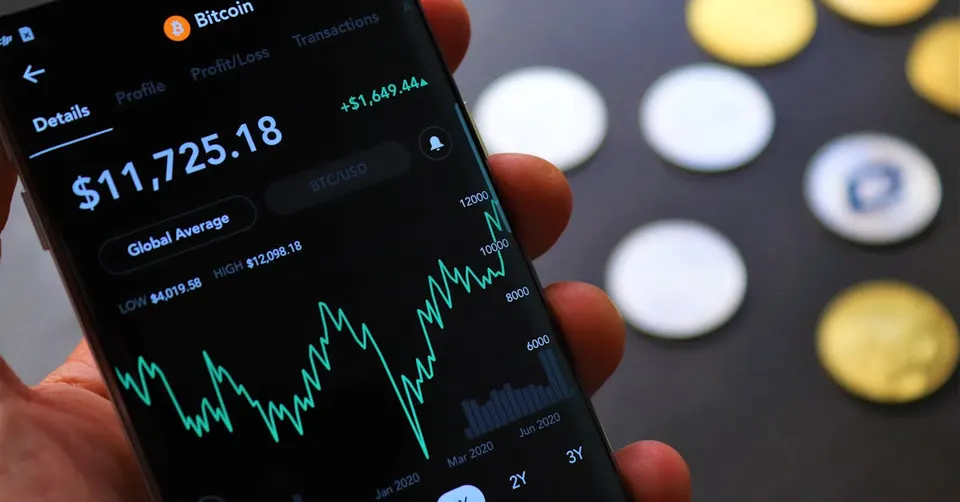
In the digital asset space, the focus has shifted toward security vulnerabilities. The Cosmos-based Gravity Bridge recently suffered a $5.4 million exploit, leading to a total halt of the bridge by its validators. This incident serves as a stark reminder of the inherent risks in decentralized finance (DeFi) infrastructure, even as Bitcoin remains robust at $73,825. For Iranian investors who have increasingly turned to crypto as a hedge against inflation, such exploits emphasize the need for rigorous due diligence when selecting platforms for asset storage and transfer. As the global economy flirts with 4% APY in traditional money market accounts, the trade-off between the high yields of crypto and the relative safety of traditional instruments remains a central theme for the modern saver.
Frequently Asked Questions
Why is the capture of Beaufort Castle significant for the region?
How has the Iranian Rial responded to the recent escalation in Lebanon?
What happened to Gravity Bridge and should crypto investors be worried?
Understanding Economic Sanctions
Economic sanctions are punitive measures imposed by one or more countries (or international bodies like the UN) on another country, specific individuals, entities, or groups. These measures are typically employed as a foreign policy tool, short of military intervention, to compel a target state or regime to change its behavior, adhere to international norms, or deter actions deemed undesirable. Sanctions can range from comprehensive embargoes on all trade and financial transactions to more targeted restrictions on specific sectors, goods, individuals, or technologies.
The primary goal of economic sanctions is to inflict economic pain on the target, thereby creating internal pressure for policy change. Common forms include trade restrictions (tariffs, quotas, embargoes), financial sanctions (asset freezes, restrictions on banking transactions, limitations on access to international financial markets), travel bans, and arms embargoes. For instance, prohibiting a country from trading its primary exports, like oil, can severely limit its foreign currency earnings, impacting its ability to import essential goods and services and leading to currency depreciation and inflation within the sanctioned economy.
While intended to be a non-military means of coercion, economic sanctions often carry significant consequences, both intended and unintended. They can destabilize the target economy, leading to currency devaluation (as seen with the USD/IRR exchange rate in Iran), high inflation, reduced living standards, and even humanitarian crises if essential goods are restricted. Sanctions can also foster black markets, encourage illicit trade, and push sanctioned states to seek alternative economic partners, potentially altering global trade patterns and fostering new geopolitical alignments. The "Strait of Hormuz shipping risk" mentioned in the keywords, for example, is often heightened by geopolitical tensions exacerbated by sanctions and their enforcement.
Topics
Related Articles