Ghalibaf Sets Red Lines for US Deal; Breakthrough Cancer Pill Hailed; Markets Steady at 170k
قالیباف: توافق با آمریکا تنها با تضمین منافع؛ دستاورد بزرگ علمی در درمان سرطان؛ آرامش بازار در مرز ۱۷۰ هزار تومان
Iran's Parliament Speaker rejects deals without tangible gains as regional tensions rise. Meanwhile, a medical breakthrough in pancreatic cancer treatment offers new hope, and the Iranian Rial holds steady against the Dollar.
At time of publishing
USD
170,400
Toman
Gold 18K
18.73M
Toman / gram
Bitcoin
$73,820
US Dollar
Tether
170,051
Toman
Iran’s Red Lines: Ghalibaf Rejects Trust-Based Diplomacy
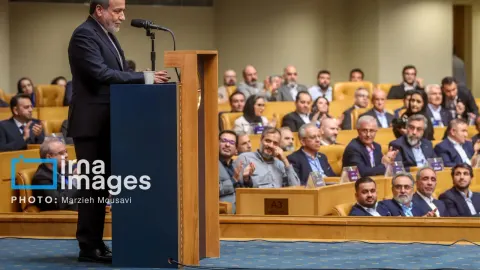
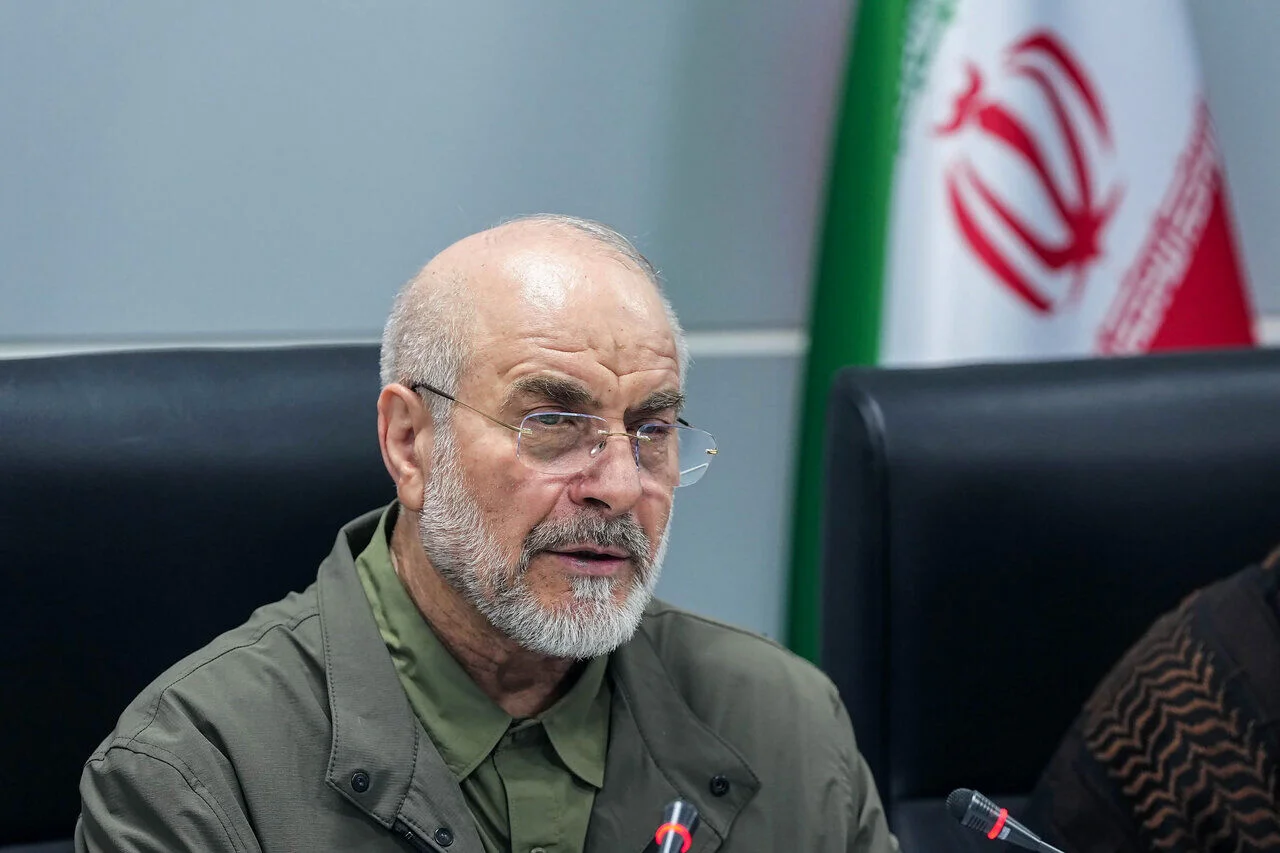
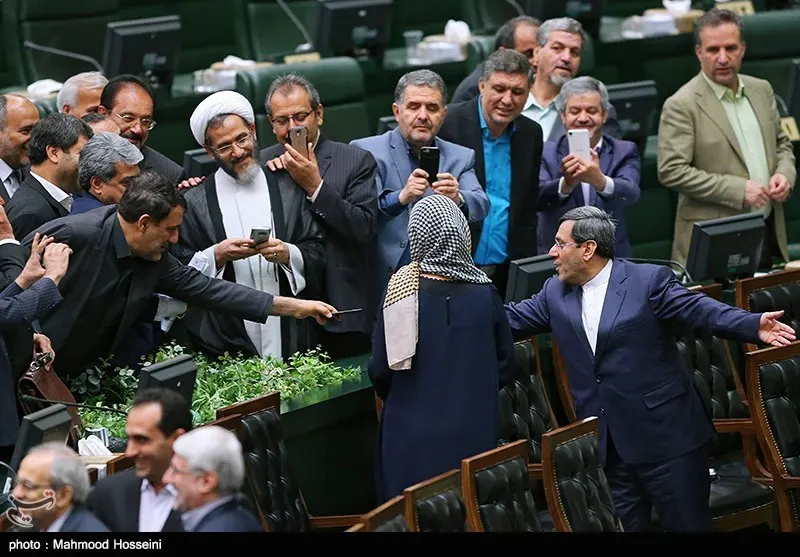
In a decisive address at the Iranian Parliament, Speaker Mohammad Bagher Ghalibaf emphasized that the Islamic Republic will not enter into any agreement with the United States unless tangible, verifiable gains for the Iranian nation are secured. Ghalibaf stated that Iranian negotiators place no trust in the promises or commitments of those he labeled as "enemies." This rhetoric underscores a hardening stance in Tehran, where the legislative branch is increasingly signaling that any return to the negotiating table must yield immediate economic relief and the removal of sanctions rather than vague diplomatic assurances.
This domestic political stance arrives amid a broader reassessment of U.S. influence in the region. Recent analytical comparisons suggest that the ongoing U.S. involvement in Middle Eastern conflicts—often referred to as the "Trump excursion"—could represent a more significant global turning point than the Vietnam War. Analysts argue that while Vietnam exposed the limits of U.S. military power in a bipolar world, current regional dynamics reveal a strategic weakness of U.S. firepower in a deeply interconnected, multipolar era. For Iranian citizens, this suggests a prolonged period of geopolitical maneuvering where the "works of peace" remain secondary to the strategic "waste of war."
Medical Breakthrough: A 'Gamechanger' for the Deadliest Cancer
Medical experts are hailing the results of a new clinical trial involving a daily pill called daraxonrasib as a monumental breakthrough in the fight against pancreatic cancer. The trial demonstrates that this new treatment can effectively double the survival time for patients suffering from what is widely considered the world’s deadliest form of cancer. For decades, pancreatic cancer has been notoriously difficult to treat, largely because it is often diagnosed only after it has spread to other organs. This new pill offers a glimmer of hope for thousands of patients who previously had few, if any, effective options.
The significance of this development cannot be overstated, as it represents one of the biggest breakthroughs in oncology in several decades. Scientists have spent years searching for clever solutions to target the unique biology of pancreatic tumors, which are often resistant to traditional chemotherapy. The emergence of daraxonrasib suggests that targeted, molecular therapies are finally catching up to the complexity of the disease. While the drug is still moving through various regulatory stages, its potential to shift the standard of care is already being celebrated by the global medical community.

Market Snapshot: Rial Holds Steady as Global Financial Advice Shifts
As of 16:00 Tehran time, the Iranian currency market remains remarkably stable. The USD sell rate is holding firm at 170,400 Toman, showing a 0.0% change over the last 24 hours. While the currency has found a temporary floor, other sectors of the domestic market are seeing minor corrections. Gold 18k per gram moved from 18,744,171 to 18,733,090 Toman, a slight decrease of -0.1%. Similarly, the Emami gold coin saw a more pronounced drop, falling from 180,000,000 to 179,000,000 Toman (-0.6%). This stagnation in the dollar suggests a "wait-and-see" approach by major market players following Ghalibaf's recent comments.
On the global front, personal finance discussions are highlighting the complexities of retirement and trust. Recent reports have sparked debate over when to claim Social Security, with experts suggesting that for many, the "break-even point" for delaying benefits can be as late as age 78. Furthermore, financial advisors are warning consumers about the dangers of mixing friendship with finance. A notable story regarding a "golf buddy" financial advisor serves as a reminder that friendliness alone is never a sufficient reason to trust someone with one's life savings. For Iranian investors looking toward international markets or long-term wealth preservation, these lessons in skepticism and mathematical planning remain highly relevant.
Geopolitical Shifts: Israel Captures Strategic Beaufort Castle
In a significant escalation of the conflict in southern Lebanon, Israeli Prime Minister Benjamin Netanyahu has declared the capture of the historic Beaufort Castle a "dramatic shift" in the ongoing offensive. By pushing past the Litani River and securing the heights of the castle, Israeli forces have gained a commanding tactical view over large swaths of southern Lebanon and the western Bekaa Valley. This position is strategically vital, as it allows for the potential encirclement of Nabatieh, a major economic and cultural hub for the region.
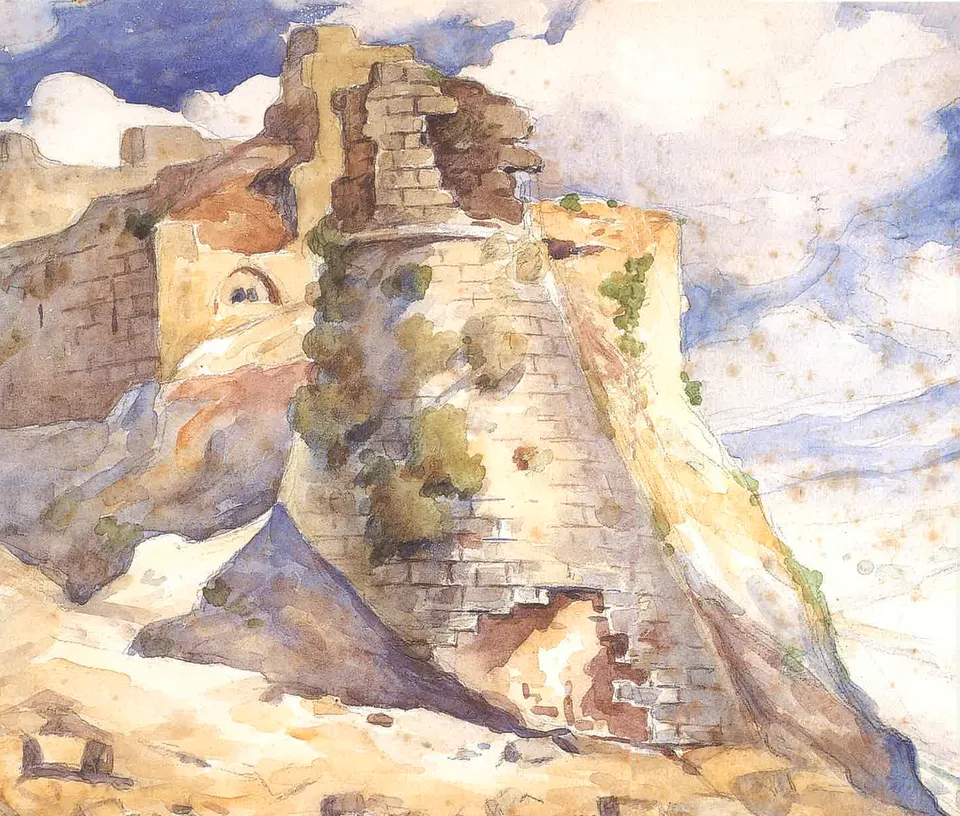
The capture of such a symbolic and tactical landmark suggests that the conflict is entering a more intensive phase. Historically, Beaufort Castle has been a site of intense fighting due to its geography, and its fall signals a deepening incursion that could redefine the borders of the current engagement. As Israeli forces position themselves "united and determined," the regional implications for Lebanon’s sovereignty and the broader Middle Eastern security architecture remain a primary concern for observers in Tehran and beyond.
Frequently Asked Questions
What are Ghalibaf's main conditions for a deal with the US?
How does the new cancer drug daraxonrasib work?
Why has the USD/IRR rate remained flat despite regional tensions?
What is the strategic importance of Beaufort Castle?
Economic Sanctions and Their Far-Reaching Impact
Economic sanctions are punitive measures imposed by one country or a group of countries on another sovereign state, group, or individual. Their primary objectives are typically to compel a change in policy or behavior, deter undesirable actions (like nuclear proliferation or human rights abuses), or weaken an adversary's economic and military capabilities. These measures can range from targeted restrictions on specific entities to comprehensive embargoes affecting entire sectors of an economy.
Sanctions operate through various mechanisms. Trade sanctions might involve embargoes on specific goods or services, import/export restrictions, or bans on investment. Financial sanctions are often the most impactful, including asset freezes, restrictions on international banking transactions, denial of access to global financial systems (like SWIFT), and limitations on foreign aid or loans. Travel bans and arms embargoes are also common components.
The impact on the targeted economy can be profound and multifaceted. Sanctions can severely disrupt international trade, leading to shortages of essential goods, inflation, and a decline in national income. Financial restrictions often make it difficult for the sanctioned country to conduct international transactions, access foreign currency, or attract foreign investment, leading to currency depreciation (as seen in the USD/IRR example), capital flight, and a contraction of economic activity.
In the context of international relations, economic sanctions are a significant geopolitical tool, often employed as an alternative to military intervention. They represent a form of coercive diplomacy, aiming to achieve political ends through economic pressure. However, their effectiveness is a subject of ongoing debate, with critics pointing to their potential for unintended consequences, humanitarian costs, and the possibility of strengthening authoritarian regimes by fostering self-sufficiency or closer ties with other non-sanctioning nations.
Topics
Related Articles