
The Gap Emerges as Dividend Powerhouse; Washington Disaster Toll Rises as Markets Hold Steady
درخشش سهام گپ در بازار سود سهام؛ افزایش تلفات انفجار واشینگتن و ثبات قیمت دلار در مرز ۱۷۰ هزار تومان
Analysts name The Gap a top dividend pick as investors weigh market returns against high mortgage costs. Meanwhile, industrial tragedies in the US and labor rights victories in the UK dominate the global briefing.
At time of publishing
USD
170,400
Toman
Gold 18K
18.73M
Toman / gram
Bitcoin
$73,541
US Dollar
Tether
170,116
Toman
The Gap Becomes a Dividend Haven Amid Market Volatility
In a shift that has caught the attention of income-focused investors, analysts have officially named The Gap (GAP) as one of the top ten high-dividend stocks to watch this quarter. This endorsement comes at a pivotal moment for the retail giant, which has seen its subsidiary Athleta struggle with brand identity, moving from a "must-have" yoga brand to what some critics call "generic." However, the core company’s commitment to returning value to shareholders through consistent dividends has made it an attractive defensive play. For investors navigating a landscape where the S&P 500 averages a 10% return but mortgage rates linger at a punishing 6.36%, the math increasingly favors high-yield equity over traditional debt-clearing strategies.
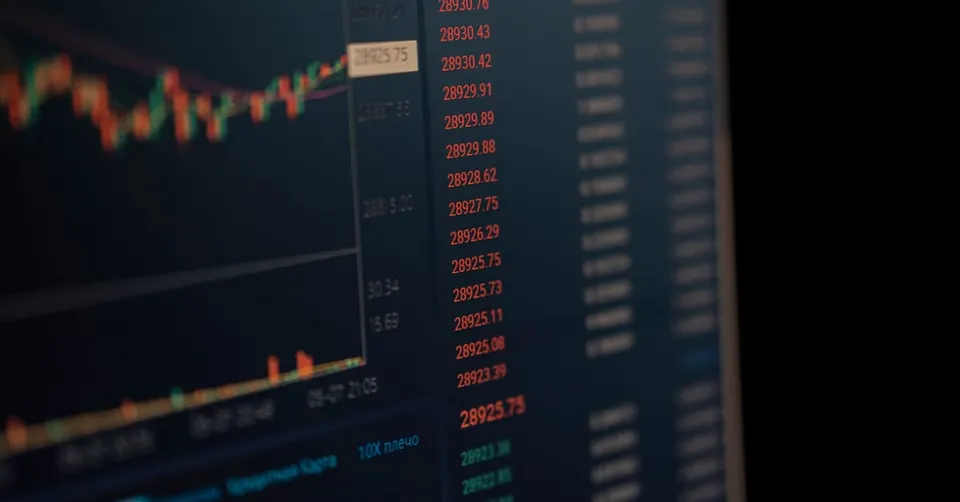
This trend reflects a broader psychological shift in the global markets. As growth stocks face headwinds from persistent interest rates, the appeal of "boring" retail and consumer staples is rising. For the Iranian observer, this global pivot toward value often signals a cooling of speculative fervor in riskier assets. While Bitcoin remains resilient at $73,541, the movement of institutional capital into dividend-heavy stocks like Gap suggests that the "smart money" is preparing for a period of slower, more calculated growth. This transition is essential to track, as it often dictates the flow of liquidity that eventually impacts global currency strengths and commodity prices.
Industrial Tragedy in Washington and the Cost of Infrastructure
The human cost of industrial negligence has come into sharp focus as the death toll from a chemical tank explosion in Washington state rose to 11. Authorities confirmed that all nine missing individuals have been recovered following the implosion of a tank at the Nippon Dynawave Packaging facility. The tank contained "white liquor," a caustic chemical mixture of sodium hydroxide and sodium sulfide used in paper pulp production. This disaster, occurring alongside a similar near-miss in California involving methyl methacrylate, has reignited a fierce debate over the safety of chemical storage in proximity to residential areas and the aging infrastructure of the American industrial heartland.
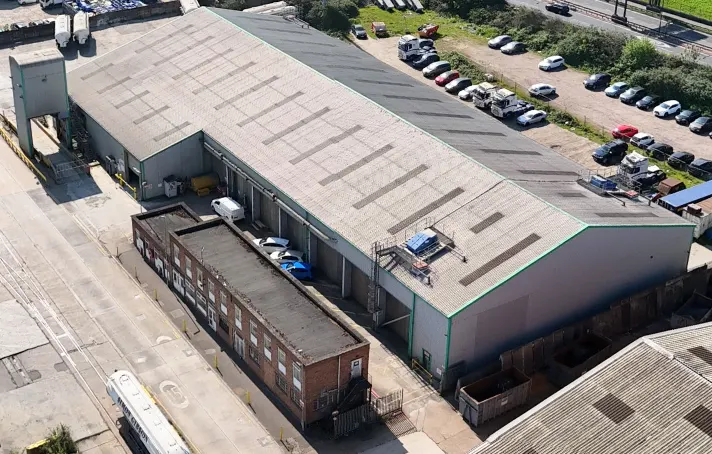
Beyond the immediate tragedy, these incidents have ripple effects on the global supply chain for paper and packaging materials. When a major facility like Nippon Dynawave goes offline under such catastrophic circumstances, it tightens the market and drives up costs for secondary manufacturers. For global markets, this is a reminder of the "hidden risks" in industrial equities. While the financial impact is often secondary to the loss of life, the regulatory backlash likely to follow will increase compliance costs across the sector, potentially impacting energy and industrial indices that Iranian traders watch for signs of global economic health.
Labor Rights and Racial Tensions Resurface in Europe
A landmark legal victory in the United Kingdom has sent shockwaves through the post-Brexit labor market. An Indian citizen, Shabin Shaji, was awarded nearly £30,000 after his employer, Swan Care Solutions Ltd, failed to provide him with a single day of work for an entire year despite his arrival on a valid care worker visa. This case exposes the dark side of the international recruitment industry, where workers are often brought to Western countries under false pretenses, only to find themselves in financial limbo. The tribunal’s decision to mandate payment for the time Shaji was "ready and willing" to work sets a significant precedent for the protection of foreign labor rights in the UK.

Simultaneously, Ireland is grappling with its own crisis of conscience following the death of Yves Sakila, a Congolese man who died after being restrained by security guards in Dublin. The incident has drawn direct comparisons to the George Floyd tragedy in the United States, prompting an independent post-mortem by a UK-based forensic pathologist. These dual stories—one of economic exploitation in the UK and another of fatal physical restraint in Ireland—highlight the growing friction between migration policies and human rights in Europe. For the global community, these events signal a period of intense social scrutiny that could lead to stricter labor laws and a re-evaluation of how migrant communities are integrated into the European economy.
Iranian Market Snapshot: Stability at the 170k Threshold
The Iranian domestic market remains remarkably stable this hour, with the US Dollar holding firm at 170,400 Toman. This zero-percent change over the last 24 hours suggests a temporary equilibrium between supply and demand, even as geopolitical tensions in the Levant continue to simmer. Gold and coinage, however, have seen a slight downward correction. The Emami coin moved from 180,000,000 to 179,500,000 Toman, marking a 0.3% decrease, while 18k gold dipped marginally by 0.1% to 18,733,090 Toman per gram. This minor softening in gold prices, despite the global ounce price sitting at a robust $4,540.30, reflects a local cooling of hedge-buying as the Rial maintains its current level.
In the cryptocurrency sector, Bitcoin (BTC) continues to trade in a high-conviction zone at $73,541. The stability of Tether (USDT) at 170,116 Toman—slightly below the physical USD sell rate—indicates that digital asset demand is currently being met without the frantic premiums often seen during periods of high volatility. For the average Iranian saver, this hour represents a "wait and see" window. With global analysts shifting toward dividend stocks and industrial risks rising in the West, the preservation of capital in stable assets remains the dominant strategy for the local investor.
Frequently Asked Questions
Why is The Gap (GAP) being recommended as a dividend stock now?
What caused the chemical tank explosion in Washington state?
How does the UK labor tribunal ruling affect foreign workers?
Why is the Iranian gold price falling while global prices remain high?
Understanding Dividend Investing
In the world of stock market investments, while many investors chase rapid growth, a significant segment focuses on a more stable, income-generating approach: Dividend Investing. At its core, a dividend is a distribution of a portion of a company's earnings, decided by its board of directors, to its shareholders. These payments are typically made quarterly and can be in the form of cash or additional stock. Companies that consistently pay dividends are often well-established, financially stable entities with a history of profitability, signaling confidence in their future earnings.
Dividend investing is a strategy where investors prioritize buying stocks of companies that regularly pay out dividends. The appeal lies in the potential for a steady stream of income, which can be particularly attractive to retirees or those seeking to supplement their regular earnings. Beyond just income, dividend investing also offers the powerful advantage of compounding returns. By reinvesting dividends to purchase more shares of the same company, investors can accelerate the growth of their portfolio over time, as future dividends will then be paid on a larger number of shares.
While dividends can offer stability and income, they are not without their considerations. Dividends are not guaranteed and can be cut or suspended by a company if its financial performance falters or if it decides to reallocate capital towards growth initiatives. Therefore, diligent research into a company's financial health, dividend history, and future prospects is crucial for successful dividend investing. For investors looking beyond speculative growth towards consistent returns and income generation, understanding the nuances of dividend-paying stocks, like those mentioned for "The Gap," is a fundamental step.
Topics
Related Articles