Strait of Hormuz Tensions Escalate: US Hits Iranian Radar as Oil Surges and Historic Syria Trial Begins
تنش در تنگه هرمز: حملات آمریکا به رادارهای ایران، جهش قیمت نفت و آغاز دادگاه تاریخی جنایات جنگی سوریه
The Middle East is on edge as the US military carries out 'self-defense strikes' on Iranian radar sites following drone attacks in Kuwait. While oil prices jump 3% on supply fears, a landmark trial in Austria brings the first war crime charges against officials of the Assad regime.
At time of publishing
USD
171,900
Toman
Gold 18K
18.77M
Toman / gram
Bitcoin
$72,830
US Dollar
Tether
173,250
Toman
Conflict in the Strait: US Strikes and Kuwaiti Alarms
The geopolitical landscape in the Persian Gulf has shifted into a high-intensity phase this Monday. The U.S. Central Command confirmed it conducted what it termed "self-defense strikes" against Iranian radar sites in Southern Iran. This military action follows reports from Kuwaiti state media regarding sirens sounding across the country due to suspected missile and drone incursions. The exchange marks the third significant escalation in just one week, highlighting the fragility of regional security as both Washington and Tehran navigate a dangerous cycle of retaliation and tactical signaling.
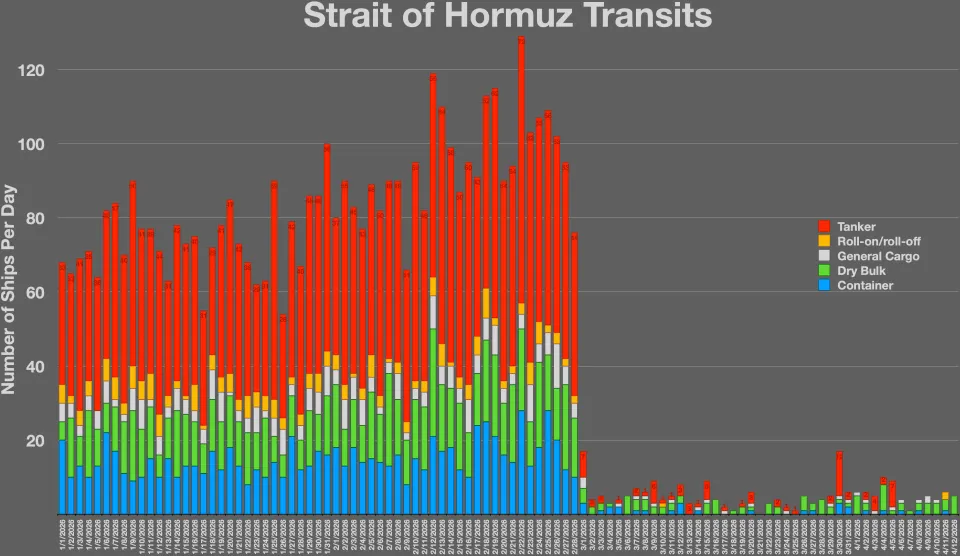
For the global economy, the stakes are centered on the Strait of Hormuz, where Iran maintains a significant presence. With nearly a fifth of the world's oil and natural gas passing through this narrow waterway, the current blockade and counter-blockade dynamics are creating a bottleneck that threatens global energy stability. Former President Donald Trump has commented on the situation, suggesting that despite the "chirping" of critics, the conflict will "all work out well," though market participants remain skeptical as the threat to shipping lanes grows more concrete with each passing hour.
Accountability in Austria: The Assad Regime Faces Justice
In a historic first for European jurisprudence, a trial has commenced in Austria against high-ranking Syrian officers accused of war crimes and torture under the Assad regime. These individuals, who had reportedly been living in plain sight in Europe for years, are now facing Syrian witnesses in a courtroom setting. This trial is not just a legal proceeding for Austria; it represents a rare moment of accountability for the decade-long Syrian conflict, which has seen deep involvement from regional powers including Iran and Russia.
The outcome of this trial could set a significant precedent for how former military and intelligence officials from the region are treated when seeking asylum or residency abroad. For Iranian observers, the trial underscores the long reach of international law and the potential for past actions in regional conflicts to resurface in European courts. It also signals a hardening stance in Europe against the normalization of the Assad government, even as some regional actors have sought to reintegrate Damascus into the diplomatic fold.
Market Reaction: Oil Spikes as Toman Faces Pressure
The immediate financial fallout of the weekend's military strikes is most visible in the energy and currency markets. Brent crude prices have surged by 3.36% to reach $94.18 per barrel, while West Texas Intermediate (WTI) followed suit with a 3.27% increase to $90.22. This spike is a direct reaction to the perceived risk of a broader Middle East conflict that could disrupt supply chains. Investors are moving away from riskier assets, seeking the relative safety of commodities, which is reflected in the global gold price holding at a staggering $4,506.10 per ounce.

In the domestic Iranian market, the volatility is translating into a slight upward pressure on the US Dollar. The USD sell rate moved from 171,800 to 171,900 Toman, a modest 0.1% increase, but one that reflects a cautious sentiment among traders. Interestingly, while 18k gold per gram saw a slight dip of 0.5% to 18,766,563 Toman, the Emami coin rose by 0.8% to 183,500,000 Toman. This divergence suggests that while international gold prices are stable, local demand for minted coins as a hedge against geopolitical uncertainty remains robust. Traders are keeping a close eye on the $73,000 level for Bitcoin, which remains pinned by the same regional uncertainty and recent ETF outflows.
The Tokenization Frontier: Citi’s $5.5 Trillion Prediction
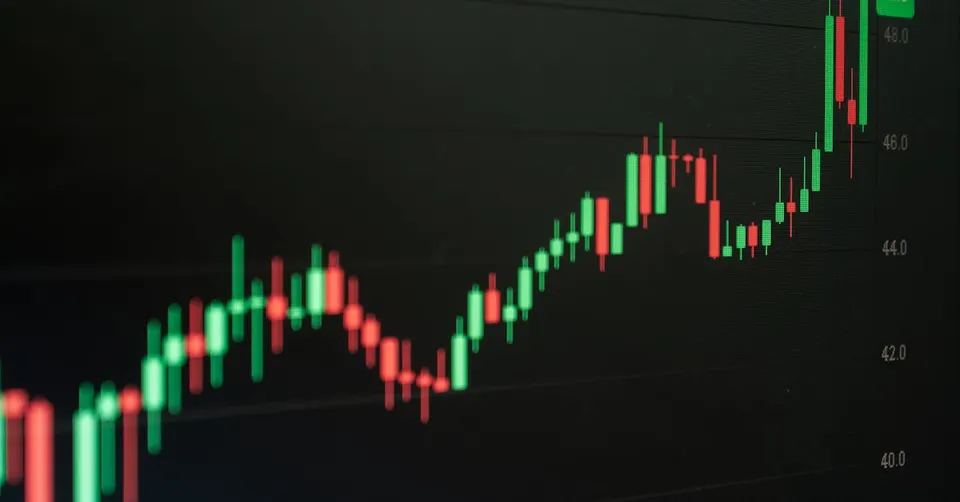
Beyond the immediate noise of conflict, a major shift is occurring in the structure of global finance. Citi has released a report predicting that the tokenized securities market will balloon to $5.5 trillion by the year 2030. This growth is expected to be driven by massive demand for on-chain U.S. Treasury bills and tokenized stocks. For investors, this represents the "killer app" for blockchain technology—moving past speculative cryptocurrencies into the digital representation of real-world assets.
This trend toward tokenization could eventually offer a way for markets under sanctions or high capital controls to access global liquidity in more transparent, albeit highly regulated, ways. As stablecoins alone are projected to generate $1 trillion in demand for T-bills, the integration of traditional finance and decentralized ledgers is no longer a theoretical exercise but a multi-trillion-dollar roadmap. While the Middle East focuses on physical corridors like the Strait of Hormuz, the digital corridors of finance are being rebuilt in the background, potentially changing how wealth is moved and stored by the end of the decade.
Frequently Asked Questions
Why did oil prices jump more than 3% today?
What is the significance of the Syria war crimes trial in Austria?
How is the USD/IRR rate reacting to the military strikes?
Why the Strait of Hormuz Is a Global Energy Chokepoint
The Strait of Hormuz, a narrow waterway between Oman and Iran, is one of the world’s most critical maritime chokepoints. It is only about 21 nautical miles (39 km) wide at its narrowest point, yet roughly 20‑30% of all seaborne oil passes through it each day – roughly 21 million barrels, according to the U.S. Energy Information Administration. Because the strait connects the Persian Gulf, where the bulk of the world’s major oil‑producing nations (Saudi Arabia, Iraq, Kuwait, United Arab Emirates, and Iran) are located, to the open ocean, any disruption can instantly ripple through global oil markets, pushing prices upward as traders price in the risk of supply interruptions.
The strategic vulnerability of the strait stems from both geography and politics. Its tight navigation lanes mean that a single vessel, a small fast‑attack craft, or a swarm of drones can threaten the flow of traffic. Over the past two decades, Iran has repeatedly threatened to close the strait in response to sanctions or military actions, and it has occasionally deployed naval mines or anti‑ship missiles in the vicinity. Conversely, the United States and its allies maintain a continuous naval presence to ensure freedom of navigation, conducting regular patrols and, when deemed necessary, striking perceived threats – as seen in the June 2026 incident where U.S. forces hit an Iranian radar installation after it allegedly targeted commercial shipping.
Economically, the strait’s importance is reflected in the tight coupling between geopolitical risk and oil price volatility. When tensions flare, Brent crude and West Texas Intermediate (WTI) can jump several dollars per barrel within hours, a pattern observed during the 2019 tanker attacks and again during the 2024‑2025 surge in regional hostilities. Traders use the “risk premium” concept: the higher the perceived chance of a closure, the higher the price they are willing to pay for oil delivered elsewhere. This premium can also affect currencies of oil‑exporting nations, such as the Iranian rial (IRR) and the Kuwaiti dinar, and even influence emerging digital assets linked to energy, like tokenized oil‑backed securities discussed in recent Citi reports.
Understanding the strait’s role helps explain why seemingly localized incidents – a drone strike in Kuwait, a court case in Austria over Syrian war crimes, or a spike in the price of a local cryptocurrency like Emami coin – can all be tied back to the broader geopolitics of energy security. The strait is a physical bottleneck, but its impact is amplified through financial markets, legal proceedings, and even the development of new financial instruments that aim to hedge against the very risks it embodies.
For anyone following global energy, security, or finance, grasping the concept of a maritime chokepoint – especially the Strait of Hormuz – is essential to interpreting price movements, policy decisions, and the ever‑evolving balance of power in the Middle East.
Strait of Hormuz - Wikipedia
en.wikipedia.org
Oil and Gas: Global Energy Statistics - U.S. Energy Information Administration
eia.gov
How the Strait of Hormuz Affects Global Oil Prices - Investopedia
investopedia.com
US Navy strikes Iranian radar in Hormuz after alleged threat to shipping - Reuters, June 2026
reuters.com
Topics
Related Articles