Iran Slams EU 'Hypocrisy' as Secret DC Talks Continue Amid 1.5% Rial Slide
واکنش تند تهران به «ریاکاری» اروپا همزمان با تداوم مذاکرات محرمانه و صعود دلار
Iranian officials have dismissed European Union criticisms as 'hypocritical' while confirming that backchannel communications with Washington remain active despite ongoing military strikes. Meanwhile, the Iranian Rial faced a 1.5% devaluation in 24 hours as regional instability begins to weigh heavily on global property markets.
At time of publishing
USD
174,300
Toman
Gold 18K
18.97M
Toman / gram
Bitcoin
$72,736
US Dollar
Tether
172,905
Toman
The Diplomatic Tightrope: Rhetoric vs. Reality
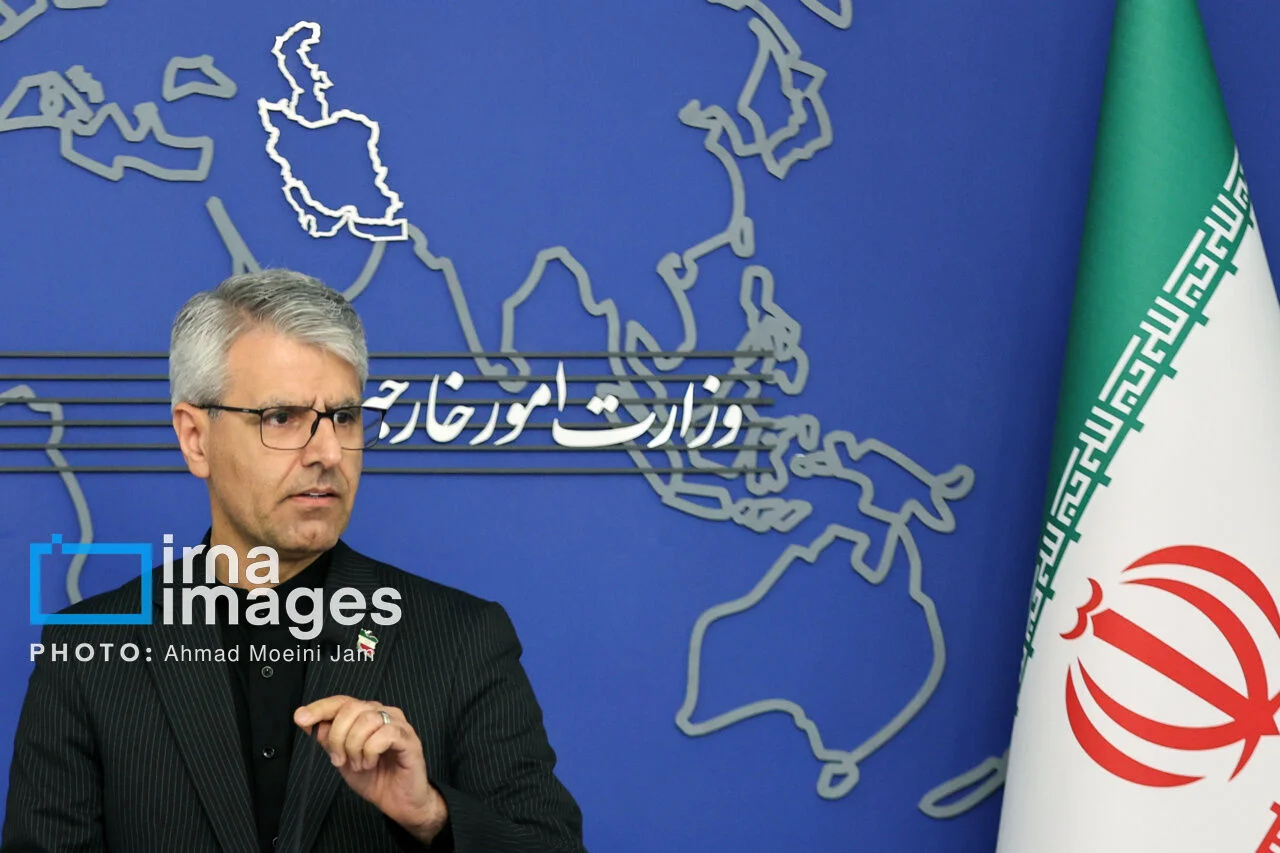
At 12:00 Tehran time, the Iranian Foreign Ministry has taken a sharp tone against the European Union, with spokesperson Esmaeil Baqaei labeling recent EU statements as "hypocritical." The friction stems from the EU's condemnation of Iran’s self-defense measures following American military strikes in the region. Baqaei pointedly noted that the EU remains silent when aggressive actions are launched against Iran from bases located in southern Persian Gulf countries, yet quick to criticize Tehran's response. This verbal escalation comes as the conflict enters its 94th day, a milestone marked by continued US strikes on Iranian-linked sites and reports of Kuwaiti forces intercepting missiles in their airspace.
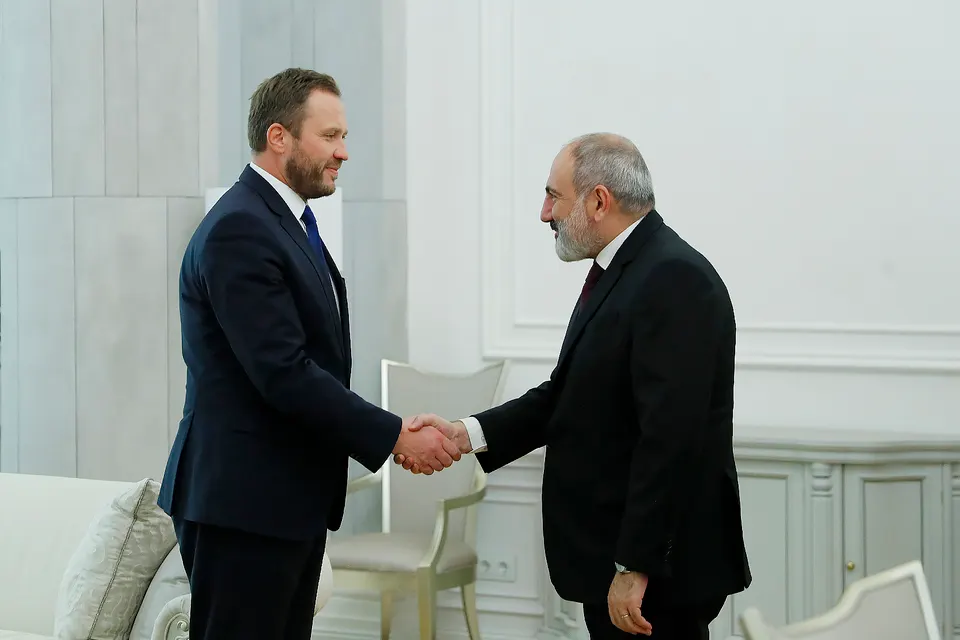
Despite the fiery public rhetoric, the underlying diplomatic channels appear to be surprisingly resilient. Foreign Minister Abbas Araghchi confirmed this morning that the exchange of messages between Tehran and Washington is ongoing. While Araghchi dismissed current media reports as mere speculation, the admission that a "backchannel" remains open is a critical signal for markets. It suggests that both powers are still seeking a framework to prevent a total regional collapse, even as they trade blows on the battlefield. For the average observer, this creates a confusing duality: a public state of war paired with a private state of negotiation.
---
Market Reaction: The 'War Premium' Hits the Rial
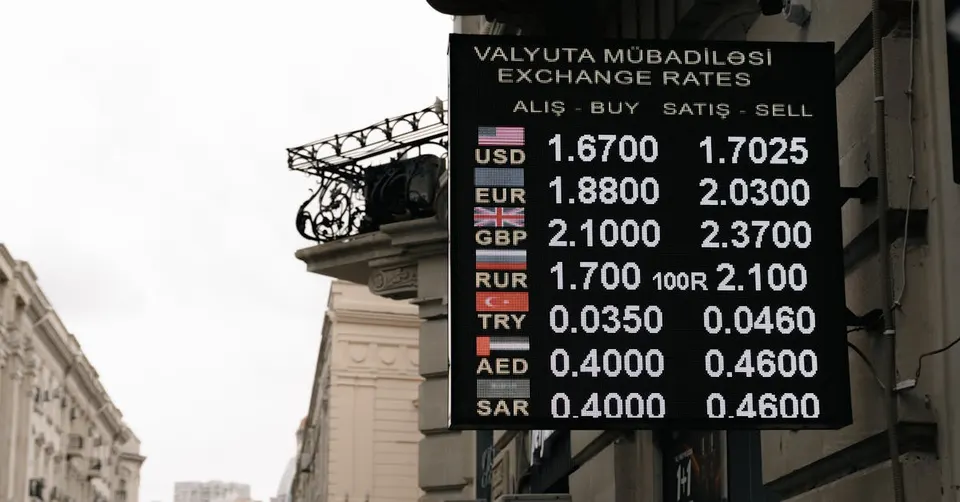
The economic fallout of this geopolitical volatility is becoming increasingly visible in the currency markets. In the last 24 hours, the USD/IRR rate moved from 171,800 to 174,300, representing a 1.5% depreciation of the Rial. This shift is not merely a local phenomenon but a reflection of the heightened risk premium being priced into any asset tied to the Middle East. Gold 18k also saw an uptick, rising from 18,853,594 to 18,966,018 Toman per gram (+0.6%), as domestic investors flee to the traditional safety of bullion. The Emami coin followed suit, increasing by 0.5% to reach 183,000,000 Toman.
What is particularly striking is how this regional conflict is now bleeding into global economic data far beyond the Middle East. In the United Kingdom, house prices fell in May for the first time this year, with the average home price dropping 0.6%. Analysts at Savills and Nationwide have explicitly linked this cooling of the UK property market to the "fundamentally changed" outlook caused by the war in Iran and the resulting rise in global interest rates. This demonstrates that the "Iran risk" is no longer a localized issue; it is a macro-economic force affecting mortgage rates and consumer confidence in London and beyond.
---
Global Shifts: Corporate Takeovers and Political Populism
While the Middle East dominates the headlines, the corporate world is seeing its own share of opportunistic maneuvering. The budget airline EasyJet has seen its shares soar to a three-month high following a potential £3bn takeover bid from the US private credit firm Castlelake. EasyJet’s management has dismissed the offer as "highly opportunistic," likely capitalizing on the broader market uncertainty caused by high fuel costs and regional instability. This move highlights a growing trend where US capital is looking to acquire European infrastructure assets at a discount while the continent remains distracted by geopolitical crises.
On the political front, the rise of right-wing populism continues to reshape the global landscape. In Colombia, Abelardo de la Espriella—a lawyer and vocal admirer of Donald Trump—won the first round of the presidential election. His victory over the left-wing candidate Iván Cepeda signals a potential shift in South American policy that could align more closely with Washington's more hawkish factions. Simultaneously, in Australia, Treasurer Jim Chalmers is navigating a domestic housing crisis by welcoming a drop in auction clearance rates, hoping that a cooling market will finally allow first-time buyers to "have a crack" at homeownership without being outbid by wealthy investors.

---
Why This Matters to You
For the Iranian reader, the 1.5% jump in the dollar today is a reminder that the window for price stability is closing as long as the "Day 94" conflict remains unresolved. The confirmation of talks by Araghchi is the only thing preventing a more dramatic slide in the Rial; should those messages stop, the psychological floor for the currency could vanish. For global investors, the drop in UK house prices and the EasyJet bid are warnings that the economic cost of the Middle East war is beginning to manifest in tangible ways, from the value of your home to the cost of a flight.
Frequently Asked Questions
Why did the Iranian Rial drop 1.5% in 24 hours?
What is the significance of the secret talks mentioned by Foreign Minister Araghchi?
How is the conflict in Iran affecting house prices in the United Kingdom?
What was the EU's 'hypocritical' statement according to Iran?
Understanding Currency Devaluation: Why the Iranian Rial Fell 1.5% in June 2026
When a currency loses value against foreign currencies, economists call it devaluation (for a managed float) or depreciation (for a market‑driven float). The 1.5% slide of the Iranian rial against the U.S. dollar in June 2026 is a textbook example of how political pressure, sanctions, and market expectations can combine to push a currency lower. In a managed‑float system like Iran’s, the central bank can intervene by buying or selling foreign reserves, but when sanctions limit access to dollars and euros, the bank’s ability to defend the rial shrinks dramatically. As a result, even modest shifts in investor sentiment can translate into noticeable price moves.
Two key mechanisms drive such moves. First, capital outflows: when investors fear that sanctions will tighten or that the government will default on foreign debt, they rush to convert local assets into hard currency, increasing demand for dollars and pushing the rial down. Second, inflation differentials: Iran’s domestic inflation has been well above that of the United States for years. Higher local price growth erodes the purchasing power of the rial, making it less attractive to hold. The combination of outflows and inflation creates a feedback loop—lower rial values raise import prices, which fuels inflation further.
Why does a 1.5% change matter? In a high‑inflation environment, small percentage swings quickly translate into real‑world price shocks. A 1.5% weaker rial can raise the cost of imported food, medicine, and fuel by a similar margin, tightening household budgets already strained by sanctions. Moreover, businesses that owe foreign‑currency debt see their repayment burden rise, which can lead to defaults and further weaken confidence in the currency.
Policymakers have a limited toolbox. They can raise interest rates to make holding the rial more attractive, but higher rates also depress economic growth. They can negotiate sanctions relief—like the back‑channel talks mentioned between the U.S. and Iran—but diplomatic progress is slow and uncertain. In the meantime, markets react to news, such as the EU’s criticism of the United States or the ongoing Middle‑East conflict, which adds volatility to the rial’s exchange rate.
For anyone watching emerging‑market currencies, the Iranian rial’s recent slide illustrates how geopolitical risk, sanctions, and macro‑economic fundamentals intertwine. Understanding devaluation helps investors, businesses, and citizens anticipate the real‑world impact of currency moves and make more informed decisions about savings, pricing, and risk management.
Topics
Related Articles