Trump Rejects Iran Peace Deal Revisions as Oil Hits $94 Amid Regional Escalation
رد اصلاحیه توافق صلح توسط ترامپ؛ جهش نفت به ۹۴ دلار همزمان با تشدید تنشها در منطقه
Crude oil prices surged by 3% after President Trump demanded stricter terms for an Iran deal, while the Iranian Rial fell 1.8% against the dollar. As US and Iranian forces exchange strikes, the global market is balancing geopolitical dread against a massive AI-driven rally on Wall Street.
At time of publishing
USD
174,900
Toman
Gold 18K
19.07M
Toman / gram
Bitcoin
$72,658
US Dollar
Tether
173,300
Toman
The Failed Disarmament of Hezbollah and the Lebanon Front
The dream of a stable Lebanon where the state holds a monopoly on violence has suffered a catastrophic setback. According to recent reports, the best opportunity the Lebanese government had to disarm Hezbollah—which existed briefly before the current conflict with Iran intensified—has effectively evaporated. As the Iranian-backed group remains fully mobilized and entrenched in southern Lebanon, the regional security architecture is buckling under the weight of direct US-Iran exchanges. The failure to integrate Hezbollah's military wing into the national army has left Lebanon as a primary flashpoint in the broader war, complicating any diplomatic exit ramps for Tehran.
U.S. Central Command recently confirmed strikes against military targets in southern Iran over the weekend, a significant escalation that prompted Kuwait to condemn Iranian missile and drone attacks on its territory. This marks a shift from proxy warfare to direct confrontation, leaving the diplomatic "ceasefire" efforts in a state of extreme fragility. For the average Iranian, this translates to heightened military alerts and a direct impact on the national currency's stability as the threat of a wider regional war looms. The involvement of Kuwait, which hosts key U.S. bases, suggests that the conflict is no longer contained to the Levant but is actively spreading across the Persian Gulf.

Trump’s Hardline Pivot Sends Oil to $94
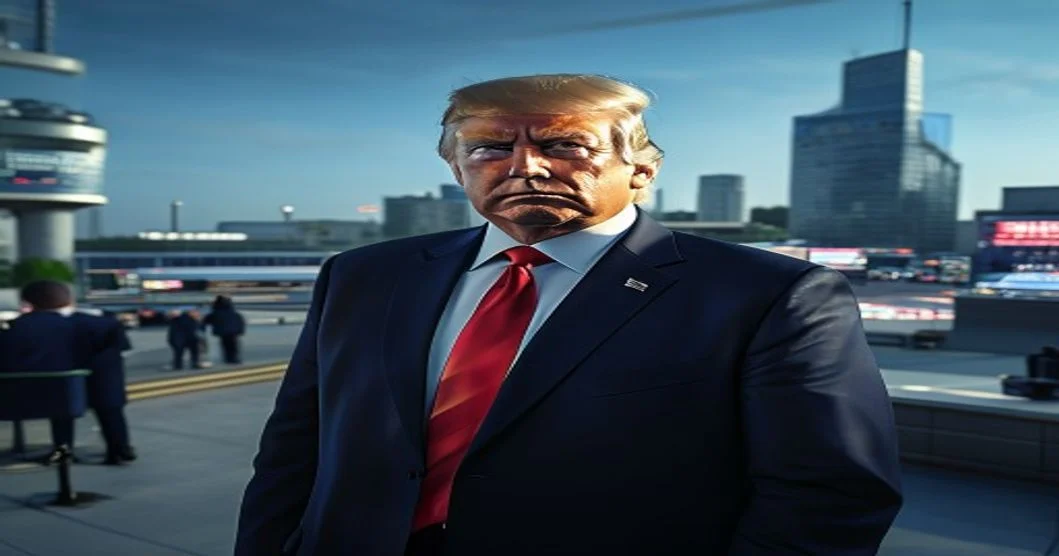
Energy markets are reacting violently to President Donald Trump’s decision to send a proposed Iran peace agreement back for revisions. Trump is reportedly demanding "stronger language" regarding Iran’s nuclear commitments and more oversight on the Strait of Hormuz, which remains a critical chokepoint for 20% of the world's oil and gas. This move has shattered hopes for a quick reopening of the strait, pushing Brent crude to $94.23 per barrel and WTI above $90. The President’s dismissive comments toward critics, telling them to "sit back and relax," have done little to soothe investor nerves as supply chain shocks begin to ripple through global manufacturing.
The 3% spike in oil prices is a direct result of this policy shift. While Trump frames the rejection as a tactical move to secure a "better deal," the market perceives it as a prolonged period of energy instability. The continued blockade of the Strait of Hormuz maintains a floor under global energy prices, which could lead to a renewed wave of global inflation. For Iran, while higher prices theoretically mean more revenue, the lack of a formal deal keeps the economy under the crushing weight of sanctions and restricted export routes, further devaluing the Rial in the open market.
Wall Street’s AI Shield vs. The Toman’s Slide
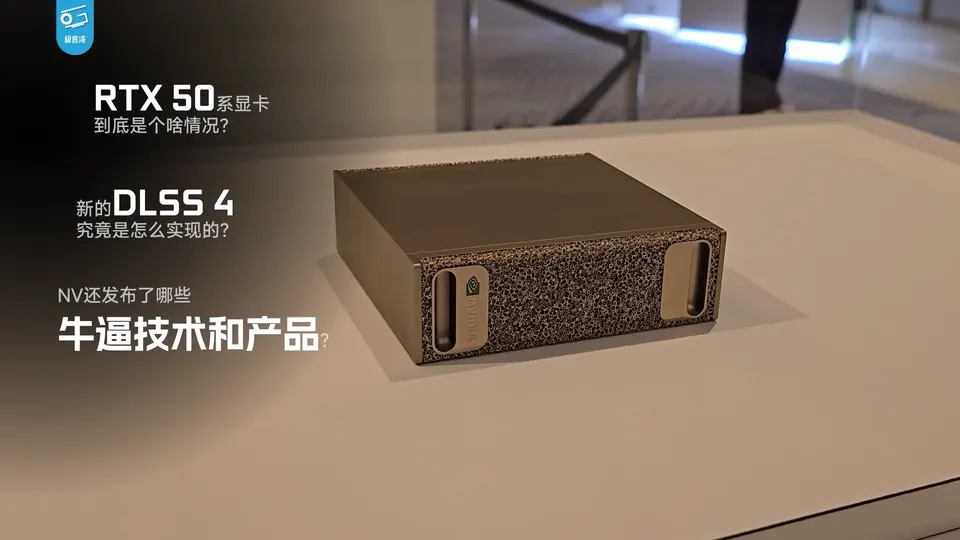
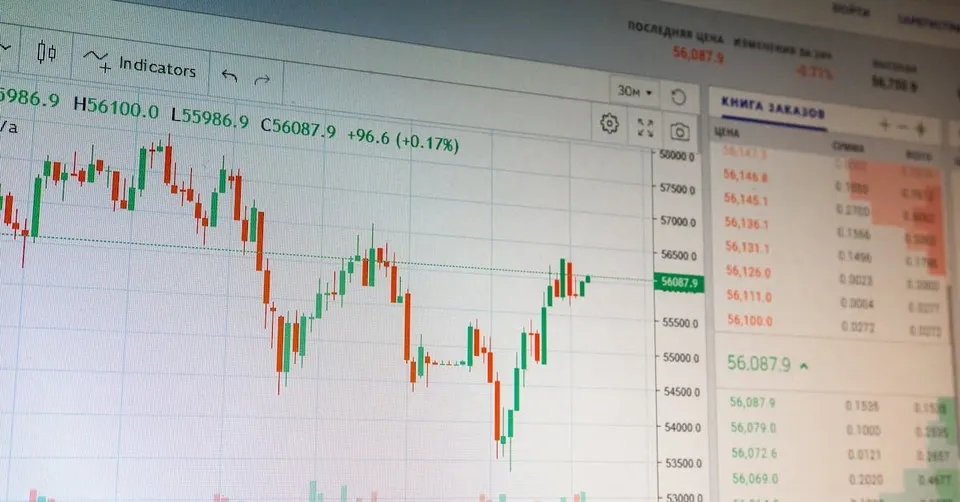
In a strange paradox, Wall Street futures are gaining despite the Middle East turmoil. This divergence is driven by the "AI revolution," specifically the launch of Nvidia’s RTX Spark chip, which is designed for autonomous AI agents. Investors seem to be betting that the productivity gains from AI will overshadow the inflationary pressures of the Iran-US conflict. However, this optimism is not shared by the crypto market, where Bitcoin and Ether have started June in the red. Bitcoin, trading at $72,658, has sharply diverged from software equities, breaking a years-long trend and leaving traders wondering if a major corrective move is imminent.
On the domestic front, the Iranian Rial is feeling the full force of the geopolitical storm. The USD/IRR exchange rate moved from 171,800 to 174,900, a significant 1.8% depreciation in just 24 hours. Gold 18k followed suit, rising 1.1% to reach 19,068,516 Toman per gram, while the Emami coin saw a modest 0.3% increase to 182,500,000 Toman. This internal market volatility reflects a flight to safety as citizens move their savings into hard assets and foreign currency to hedge against the risk of further military escalation and the collapse of the latest round of nuclear negotiations.
The Shadow Fleet and Global Sanctions Pressure
The pressure on Iran’s economic lifelines is being tightened not just by words, but by actions on the high seas. The French Navy recently seized a Russia-linked oil tanker, the Tagor, in the Atlantic, signaling a more aggressive stance by European allies against the "shadow fleet" that helps bypass sanctions. This coordinated effort between France and the UK highlights the shrinking space for illicit energy exports, which are vital for the Iranian budget during these times of high military spending. As more vessels are interdicted, the cost of insurance and logistics for Iranian oil continues to skyrocket.
This tightening of the noose comes as the US maintains its own blockade on the Strait of Hormuz. The combination of naval seizures in the Atlantic and a military standoff in the Persian Gulf creates a pincer movement on the regional economy. For the Iranian leadership, the choice is becoming increasingly stark: accept the more stringent terms demanded by the Trump administration or face an indefinite period of economic isolation and potential kinetic conflict. The market's reaction today—a 1.8% slide in the Rial—suggests that the public is bracing for the latter scenario.
Frequently Asked Questions
Why did Donald Trump reject the proposed Iran deal revisions?
How is the US-Iran conflict affecting the price of Gold in Iran?
What is the 'RTX Spark' and why is it affecting global markets?
What does the seizure of the 'Tagor' tanker signify for Iran?
The Strait of Hormuz: A Global Economic Chokepoint
The Strait of Hormuz is much more than just a narrow body of water; it's a critical global artery for energy trade, connecting the Persian Gulf with the Arabian Sea and the broader Indian Ocean. At its narrowest point, it's only about 21 miles (34 km) wide, yet it serves as the sole maritime passage for a substantial portion of the world's oil supply. Roughly one-fifth of global petroleum liquids consumption, and about one-third of the world's liquefied natural gas (LNG) trade, passes through this strait daily, making it arguably the most important oil transit chokepoint globally.
Its designation as a "chokepoint" highlights its vulnerability. Any significant disruption, whether due to regional conflict, political instability, or blockades, has immediate and far-reaching consequences for the global economy. For instance, a halt in transit would severely restrict the flow of oil from major producers like Saudi Arabia, Iran, UAE, Kuwait, and Iraq to international markets. This scarcity would inevitably lead to sharp spikes in global oil prices, impacting everything from transportation costs to manufacturing, and potentially triggering economic downturns worldwide. The headline's mention of oil hitting $94 amidst regional escalation underscores this direct correlation between geopolitical tensions and energy market volatility.
The geopolitical significance of the Strait is further amplified by its proximity to Iran, which borders its northern coast. Iran has, at various times, threatened to close the Strait in response to international pressure or sanctions, leveraging its strategic position as a powerful deterrent. The ongoing discussions around the Iran nuclear deal, regional military exercises, and the presence of international naval forces in the area all contribute to a highly charged environment. Understanding the Strait of Hormuz isn't just about geography; it's about comprehending a vital nexus where energy security, international trade, and regional geopolitics intersect, with profound implications for global stability and prosperity.
Topics
Related Articles