
Trump Dismisses Escalation as Iran Hits US Base; Toman Nears 175k Amid Fresh Strike Exchange
واکنش جنجالی ترامپ به حملات متقابل ایران و آمریکا؛ جهش دلار به ۱۷۴,۹۰۰ تومان در پی تنشهای نظامی
A fragile ceasefire has crumbled as the US and Iran exchange direct strikes, prompting Donald Trump to tell critics to 'sit back and relax.' The geopolitical friction has sent the Iranian Toman up 1.8% in 24 hours, while Nvidia unveils a 'superchip' aimed at revolutionizing personal computing.
At time of publishing
USD
174,900
Toman
Gold 18K
19.09M
Toman / gram
Bitcoin
$72,569
US Dollar
Tether
173,428
Toman
The 'Sit Back and Relax' Doctrine Amid Direct Fire
The fragile ceasefire that had largely held since early April is facing its most severe test yet as the United States and Iran engage in a direct exchange of military strikes. U.S. Central Command confirmed it conducted precision strikes against military targets in southern Iran over the weekend, citing a need to degrade capabilities following repeated provocations. In a swift retaliation, Tehran claimed to have successfully targeted an airbase used by American forces to launch those very attacks. This escalation marks a dangerous pivot from the shadow warfare of previous months into a more overt and volatile confrontation that threatens to engulf the wider region.
Despite the rising smoke, U.S. President Donald Trump has adopted a remarkably dismissive tone toward his domestic and international critics. Responding to what he termed the 'chirping' of those concerned about a full-scale war, Trump urged the public to 'sit back and relax,' suggesting that the administration has the situation under firm control. This rhetoric comes at a time when Kuwait has officially condemned Iranian missile and drone incursions on its territory, further complicating the diplomatic landscape. For regional observers, the disconnect between the White House's nonchalance and the reality of falling missiles suggests either a high-stakes backchannel negotiation or a calculated gamble on military deterrence.

Market Turmoil: Toman and Oil Surge on War Fears
The immediate casualty of this military escalation is the Iranian currency and global energy markets. In Tehran's open market, the USD rose from 171,800 to 174,900 Toman, a sharp 1.8% increase in just 24 hours. This move reflects a massive flight to safety as domestic investors anticipate further sanctions or a disruption in trade routes. Gold 18k followed a similar trajectory, climbing from 18,853,594 to 19,086,061 Toman per gram (+1.2%). The psychological barrier of 175,000 Toman for the dollar is now within striking distance, a level that could trigger a new wave of consumer inflation across the country.
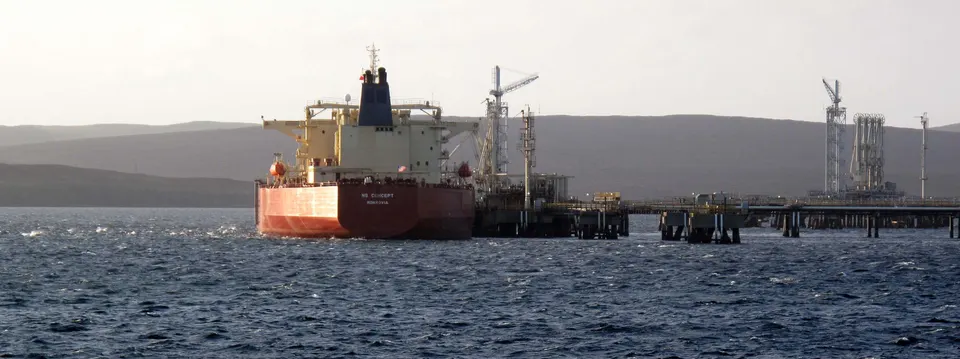
On the global stage, Brent and West Texas Intermediate crude prices have climbed as the prospect of a durable peace deal becomes increasingly clouded. The market is particularly sensitive to Iran's continued 'chokehold' on the Strait of Hormuz, where a fifth of the world's oil and natural gas passes. With the U.S. enforcing its own naval blockade to pressure Tehran into concessions, any tactical miscalculation in these narrow waters could send oil prices into triple digits. For the average Iranian reader, this translates to a double-edged sword: higher potential state revenue from oil is currently being offset by the rapid devaluation of personal savings and the rising cost of imported goods.
Nvidia’s AI 'Superchip' Challenges the PC Status Quo
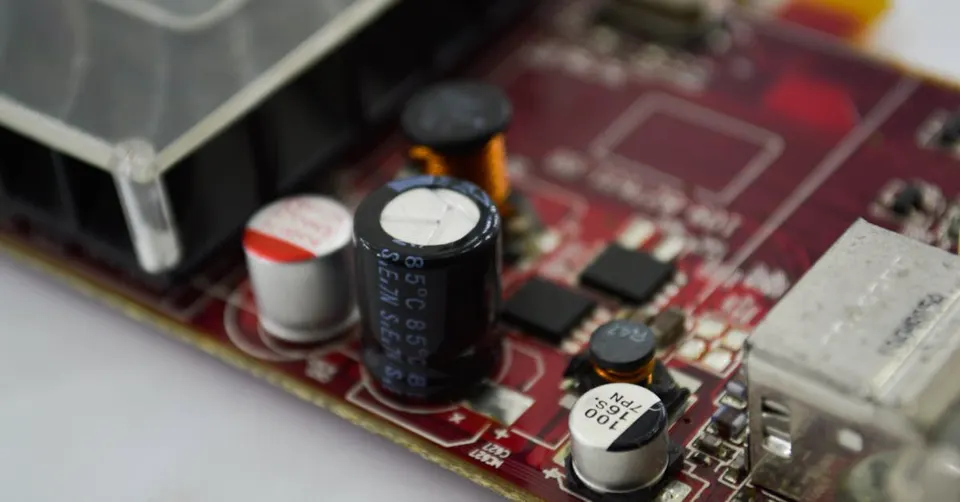
While the Middle East dominates the geopolitical headlines, the tech world is witnessing a paradigm shift with Nvidia’s launch of the RTX Spark 'superchip.' This new hardware is designed specifically for Microsoft Windows laptops and PCs, aiming to integrate AI so deeply that it could eventually replace the mouse and keyboard with autonomous AI agents. By putting immense AI processing power directly into consumer devices rather than relying solely on the cloud, Nvidia is positioning itself to dominate the next era of personal computing. This move puts the $5 trillion company in direct competition with traditional giants like Intel and Apple.
This technological leap has significant implications for the global supply chain and stock markets. Arm Holdings is expected to be a major beneficiary of this rollout, as the RTX Spark utilizes Arm’s architecture to achieve its efficiency and speed. For investors, this represents a diversification of the AI boom from data centers to the 'edge'—the devices in people's pockets and on their desks. As AI agents begin to handle complex tasks autonomously, the economic productivity gains could be substantial, though the immediate focus remains on whether consumer hardware can keep pace with these rapidly evolving software requirements.
Frequently Asked Questions
Why is the USD/Toman rate rising so sharply today?
What was Donald Trump's reaction to the latest military strikes?
How does Nvidia's new RTX Spark chip affect the average computer user?
How Geopolitical Instability Impacts National Currencies and Inflation
Geopolitical instability, such as the conflict between Iran and the U.S. mentioned in the headline, profoundly impacts a nation's economy, with one of the most immediate and visible effects being the depreciation of its currency and subsequent inflation. When political tensions escalate, markets react swiftly to the increased uncertainty and perceived risk. Investors, both domestic and international, tend to move their capital out of the affected country, seeking safer havens in more stable economies or assets, leading to a significant sell-off of the local currency.
This capital flight, combined with a reluctance for new foreign investment, directly reduces the demand for the local currency while increasing the demand for stable foreign currencies like the U.S. dollar. For countries already facing economic pressures or international sanctions, like Iran, these pressures are amplified. Furthermore, the threat of trade disruptions, blockades (like the Strait of Hormuz, a key oil chokepoint), or further sanctions can cripple export revenues, limiting the inflow of foreign currency and exacerbating the imbalance. Governments might also resort to printing more money to fund increased defense spending or compensate for lost revenues, directly fueling inflation.
The immediate consequence for ordinary citizens is a dramatic loss in purchasing power. As the local currency weakens, imported goods, from essential medicines to raw materials for domestic production, become significantly more expensive. This fuels widespread inflation, eroding savings and making daily life harder. To protect their wealth, individuals often turn to tangible assets perceived as stable, such as gold or real estate, or attempt to convert their depreciating local currency into more stable foreign currencies, further accelerating the local currency's decline. The Toman's rapid depreciation, as highlighted in the headline, serves as a stark illustration of how quickly geopolitical events can translate into severe economic hardship for a nation's populace.
Topics
Related Articles