Oil Hits $95 as Iran Halts US Talks; Toman Jumps 2.9% Amid Hormuz Closure Threat
نفت ۹۵ دلاری و جهش ۲.۹ درصدی دلار؛ بنبست در مذاکرات و تهدید به انسداد هرمز
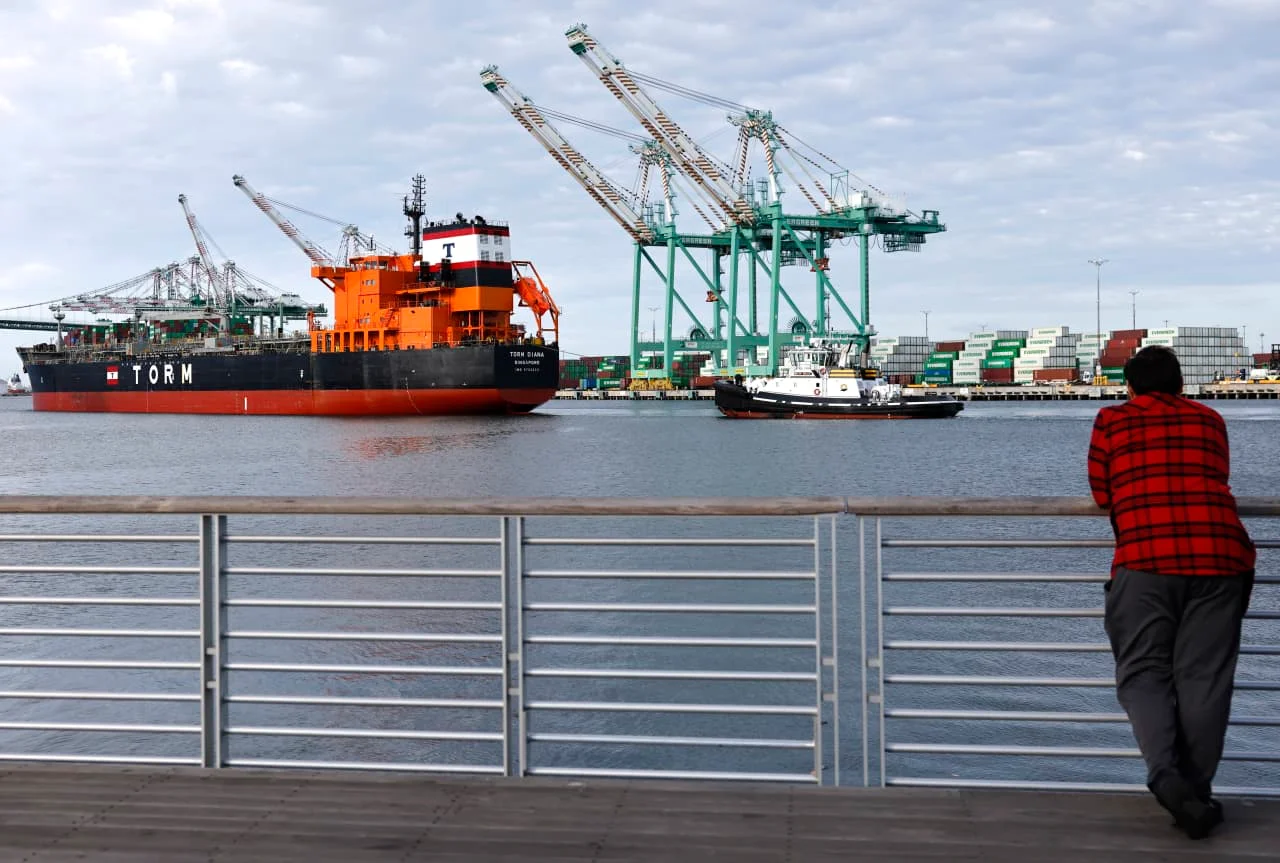
Global energy markets are in a tailspin as Iran suspends diplomatic channels with Washington, sending Brent crude above $95. In Tehran, the USD has surged to 176,800 Toman as the threat of a total blockade of the Strait of Hormuz looms.
At time of publishing
USD
176,800
Toman
Gold 18K
19.09M
Toman / gram
Bitcoin
$71,444
US Dollar
Tether
175,959
Toman
Energy Markets Explode as Diplomacy Collapses
The global energy landscape shifted violently this Monday as Iran’s state-affiliated media reported a complete suspension of diplomatic channels with Washington. This sudden breakdown in communication shattered months of fragile market optimism regarding a potential de-escalation in the Middle East. As a direct result, Brent crude prices surged by over 6.6%, trading well above the $95 per barrel mark, while WTI crude jumped 7.69% to approach $93. The catalyst for this panic was not just the halt in talks, but the explicit threat from Tehran to fully block the strategic Strait of Hormuz, a critical artery through which one-fifth of the world’s oil and gas supply flows.
For the Iranian domestic market, this geopolitical friction translated into immediate volatility. The USD/IRR exchange rate moved from 171,800 to 176,800 Toman, marking a sharp 2.9% increase in a single day. This rally in the dollar was mirrored by the gold market, where the Emami coin rose from 182,000,000 to 187,000,000 Toman (+2.7%). Investors are clearly pivoting toward hard assets as the specter of a total blockade—and the subsequent US military response—becomes a primary concern for the month of June. The exchange of missile strikes in Kuwait over the weekend has only added fuel to the fire, convincing traders that the current ceasefire is effectively dead.
US Manufacturing Hits a Wall of Inflation
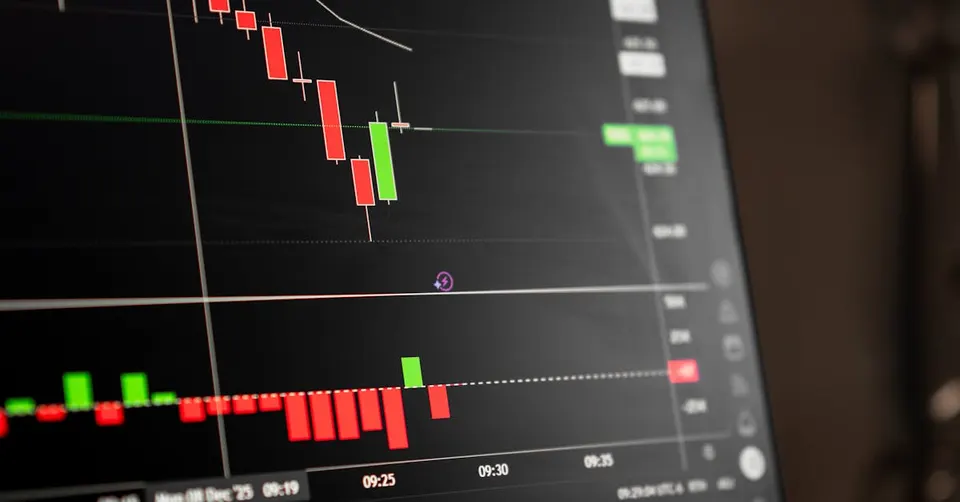
Despite a technical "hot streak" in American manufacturing, business leaders are increasingly anxious as the collateral damage of the Iran-US conflict reaches Western shores. U.S. manufacturers extended their best growth streak since 2022 this May, but the celebration has been cut short by soaring input costs. The threat of an energy blockade has sent transport and raw material prices skyrocketing, leading to a resurgence in inflation that threatens to derail the Federal Reserve's long-term plans. Business leaders are now grappling with the dual pressure of Trump-era tariffs and the immediate supply shocks caused by the instability in the Persian Gulf.
This economic anxiety is not limited to the United States. Global supply chains are bracing for what many analysts call a "permanent shift" in shipping logistics if the Strait of Hormuz remains contested. Factories are facing soaring costs as they attempt to secure alternative routes or pay exorbitant insurance premiums for vessels entering the Gulf. For the average consumer, this means that the brief period of cooling inflation seen earlier this year is likely over, as the costs of production and shipping are inevitably passed down to the retail level. The sentiment in the markets has shifted from growth-oriented to defensive in a matter of hours.
---
The AI Arms Race: OpenAI Targets the Banking Sector
While geopolitics dominates the headlines, a significant battle is brewing in the technology sector. OpenAI has reportedly made a strategic move to capture the banking market after its rival, Anthropic, blocked several UK banks from accessing its specialized cyber-AI tool, "Mythos." OpenAI has stepped into the void, offering nine major financial institutions access to its upcoming GPT 5.5 Cyber model. This move highlights the growing reliance of the global financial system on generative AI for security and fraud detection, even as geopolitical tensions make these tools more critical for defending against state-sponsored cyberattacks.
The competition between Anthropic and OpenAI is no longer just about chat interfaces; it is about infrastructure and national security. By securing the banking sector, OpenAI is positioning itself as a utility-grade provider for the Western financial core. However, some market veterans warn that the massive run-up in AI stocks this year might be built on a "token mirage," suggesting that actual enterprise demand might not yet match the astronomical valuations of these companies. Nevertheless, as traditional markets like housing and manufacturing suffer from the fallout of the Iran war, the tech sector remains the primary engine of speculative capital.
---
UK Political Turmoil and the Housing Slump
Across the Atlantic, the United Kingdom is dealing with its own internal crisis following the release of the "Mandelson Files." These documents, spanning hundreds of pages, reveal Peter Mandelson’s unfiltered and often scathing remarks regarding the current administration, describing the operation at 10 Downing Street as "beleaguered and bereft." This transparency, while touted as a victory for government accountability, has created a political vacuum at a time when the UK economy is particularly vulnerable. The leak has coincided with a concerning report from Nationwide showing that UK house prices fell by 0.6% in May—the first drop this year.
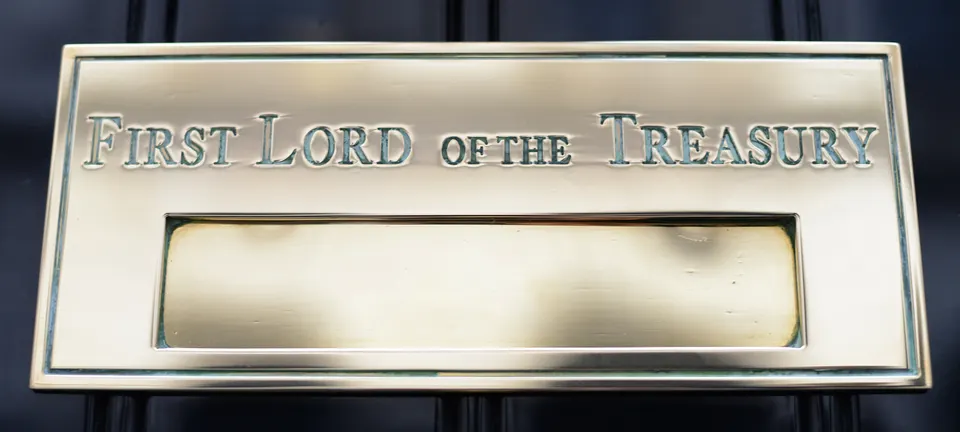
Economic analysts point to the war in Iran as the fundamental driver of this housing slump. Rising interest rates, triggered by the global inflationary spike from oil, have made mortgages increasingly unaffordable for the average Briton. The "Mandelson Files" serve as a distraction from these core economic issues, but they also highlight a lack of cohesive leadership in navigating the current global crisis. For Iranian observers, the instability in the UK serves as a reminder that the economic consequences of the regional conflict are truly global, affecting everything from London real estate to the price of bread in Tehran.
Frequently Asked Questions
Why did the price of USD in Iran jump by 2.9% today?
Is the Strait of Hormuz officially closed?
What are the 'Mandelson Files' and why do they matter?
How is OpenAI competing with Anthropic in the banking sector?
The Strait of Hormuz: Global Oil's Geopolitical Chokepoint
The Strait of Hormuz is a narrow, strategically vital waterway connecting the Persian Gulf to the Arabian Sea and the open ocean. It is one of the world's most critical maritime chokepoints, meaning a narrow channel or passage that is essential for global trade and energy supply, and whose closure or disruption could have severe economic consequences. Its strategic importance stems from its geography: at its narrowest point, it is only about 21 nautical miles (39 kilometers) wide, yet it serves as the sole sea passage for a significant portion of the world's crude oil and liquefied natural gas (LNG) exports.
Approximately one-fifth of the world's total petroleum consumption, and a substantial portion of the world's LNG, passes through the Strait of Hormuz daily. Major oil-producing nations like Saudi Arabia, Iran, the UAE, Kuwait, and Iraq rely on this strait to export their hydrocarbons to global markets. Any threat to its passage, such as a blockade or military confrontation, immediately sends ripples through international energy markets, leading to sharp increases in oil and gas prices due to supply concerns and heightened geopolitical risk premiums.
The economic implications of a disruption in the Strait of Hormuz are far-reaching. Beyond the immediate surge in global oil prices, such an event would jeopardize energy security for importing nations worldwide, potentially triggering economic slowdowns or recessions. For regional economies, particularly those bordering the Persian Gulf, the impact would be even more direct, affecting trade, investment, and currency stability. The threat of closure, as highlighted in the news, underscores how geopolitical tensions can directly translate into tangible economic shifts, influencing everything from global inflation trends to local exchange rates.
This vital waterway thus stands as a stark reminder of the intricate link between geography, geopolitics, and global economics. Understanding its role is key to comprehending why events in a relatively small body of water can have such outsized effects on international markets and the daily lives of people across the globe.
Topics
Related Articles