Toman Slides as US-Iran Tensions Flare; SpaceX IPO and Nvidia's CPU Ambitions Shake Global Markets
جهش دلار در پی تبادل آتش میان ایران و آمریکا؛ صفآرایی اسپیسایکس برای عرضه اولیه و هجوم انویدیا به بازار پردازنده
The Iranian Toman has dropped 2.7% as direct military exchanges between the US and Iran escalate alongside Israeli threats to Beirut. Meanwhile, SpaceX reveals IPO share reservations and Nvidia targets the CPU market, rattling tech giants Intel and AMD.
At time of publishing
USD
176,400
Toman
Gold 18K
19.11M
Toman / gram
Bitcoin
$71,091
US Dollar
Tether
176,174
Toman
Geopolitical Flashpoint: US-Iran Direct Exchange and the Beirut Threat
The geopolitical landscape in the Middle East has shifted into a high-risk phase this hour as reports emerge of direct military exchanges between United States forces and Iranian-backed entities, with unconfirmed signals that Tehran may halt all back-channel negotiations with Washington. This escalation is compounded by Israel’s urgent evacuation orders for the southern outskirts of Beirut, a move that typically precedes heavy bombardment. The immediate impact on the Iranian economy has been visceral; the USD rose from 171,800 to 176,400 Toman (+2.7%) within the last 24 hours, reflecting a sharp decline in market confidence as the specter of a broader regional war looms.
For the Iranian public, this isn't just a headline—it is an economic emergency. The rapid depreciation of the Rial is a direct response to the perceived failure of diplomacy. While President Masoud Pezeshkian recently emphasized Iran's commitment to maritime security in the Strait of Hormuz, the reality on the ground suggests a decoupling between diplomatic rhetoric and military action. As the gold market follows suit, with Emami coins jumping from 182,000,000 to 187,000,000 Toman (+2.7%), the cost of living and the price of safety are rising in tandem, forcing local investors to flee toward hard assets.
SpaceX IPO Moves: Staff Shares and the Anthropic Connection
Elon Musk’s SpaceX is preparing for a historic transition toward the public markets, revealing in a new filing that it will reserve 5% of its initial public offering (IPO) shares for employees, friends, and family. This move is designed to maintain internal loyalty and reward the workforce that has driven the company’s recent dominance in satellite deployment and space exploration. Beyond the share reservation, the filing shed light on a multibillion-dollar strategic partnership with Anthropic, the AI powerhouse. This connection suggests that SpaceX is integrating advanced AI into its Starlink and Starship logistics, creating a tech ecosystem that few competitors can match.
This IPO isn't just about raising capital; it’s a signal of market maturity for the private space sector. By linking with Anthropic, SpaceX is positioning itself at the intersection of aerospace and artificial intelligence, two of the most capital-intensive and high-growth sectors today. For global investors, this provides a rare opportunity to gain exposure to Musk’s empire outside of Tesla. However, the timing remains sensitive, as volatile global markets and rising interest rates could complicate the valuation of a company that has, until now, operated largely behind the closed doors of private venture capital.
Silicon War: Nvidia’s CPU Ambitions Rattles Intel and AMD
Nvidia is no longer satisfied with dominating the world of artificial intelligence chips; it is now aiming for the heart of the personal computer. Reports that Nvidia is developing its own ARM-based PC CPUs have sent shares of industry stalwarts Intel and AMD into a tailspin. For decades, the PC market was defined by the "Wintel" alliance, but Nvidia’s entry threatens to upend this status quo. The company’s ability to leverage its massive R&D budget and its current lead in AI software gives it a unique advantage in creating "AI-native" processors that could make traditional CPUs look obsolete.
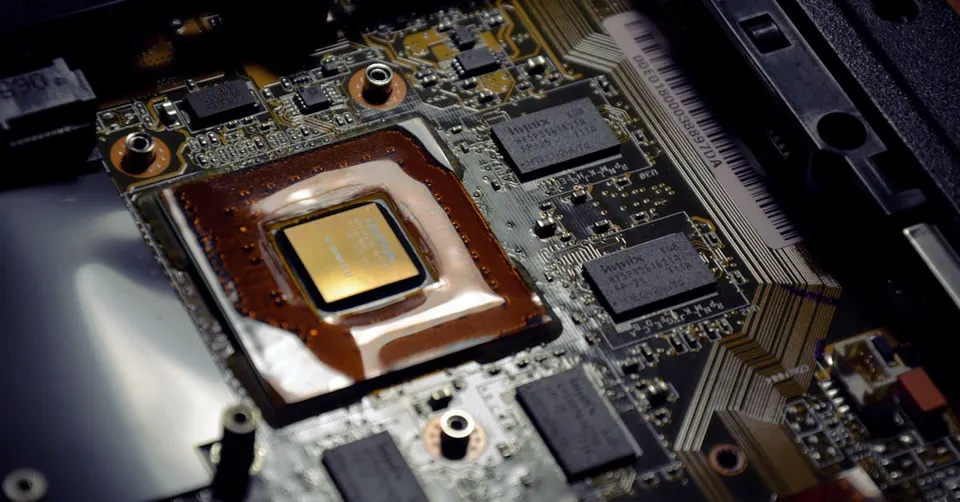
This shift represents a fundamental change in how we think about computing power. As Nvidia sets its sights on this new market, it is forcing Intel and AMD to accelerate their own AI integrations, creating a high-stakes arms race in the semiconductor industry. For the consumer, this likely means a new generation of high-performance laptops and workstations, but for investors, it signals a period of intense volatility. If Nvidia successfully captures even a fraction of the PC CPU market, the revenue implications would be astronomical, further cementing its position as the most influential technology company of the decade.
The Fed’s Stress Test: Powell Warns of Political Interference
In a rare and pointed speech, former Federal Reserve Chair Jerome Powell has sounded the alarm over the increasing political pressure being exerted on the central bank by the Trump administration. Powell warned that any successful attempt to interfere with monetary policy decisions could "permanently destroy" the public’s trust in the US dollar and the Fed’s ability to manage inflation. This comes as the Supreme Court weighs a decision regarding the President's authority to fire Fed governors, a move that would effectively end the central bank’s century-long independence.
At the same time, the financial world is watching a surprising development in the crypto space. Strategy, the corporate entity known for its massive Bitcoin accumulation, has disclosed its first sale of Bitcoin since 2022. While the sale was relatively small, the timing—amidst geopolitical chaos and Powell’s warnings—has triggered a wave of speculation. Bitcoin remains resilient at $71,091, but the combination of institutional selling and political threats to the US dollar’s stability is creating a complex environment for those trying to hedge against inflation both in the West and in markets like Iran.
Frequently Asked Questions
Why did the USD/IRR price jump by 2.7% today?
What is the significance of SpaceX's 5% share reservation?
How is Nvidia threatening Intel and AMD?
Why did 'Strategy' sell Bitcoin for the first time since 2022?
Understanding Currency Depreciation: Why the Iranian Toman Has Lost Value
Currency depreciation occurs when a nation's money loses purchasing power relative to foreign currencies, often reflected in a rising exchange rate (e.g., more tomans needed to buy one US dollar). In Iran, the rial (commonly called the toman, equal to 10 rials) has been sliding sharply, driven by a mix of sanctions, low oil revenues, and domestic monetary policy. When investors and citizens lose confidence, they demand foreign currency, pushing the USD/IRR rate higher and eroding the real value of wages and savings.
One key mechanism behind this decline is exchange rate misalignment caused by limited access to hard currencies. International sanctions restrict Iran's ability to export oil and receive payments in dollars, creating a chronic shortage of foreign exchange. The Central Bank of Iran often intervenes by selling dollars from its reserves, but when reserves dwindle, the market price of the rial spikes, as seen in June 2026 when the official rate diverged dramatically from the black‑market rate.
Depreciation also fuels inflation, because imported goods become more expensive. Iran imports a large share of its food, medicine, and technology; as the rial weakens, the cost of these essentials rises, prompting the government to raise subsidies or adjust monetary policy. However, expanding the money supply to cover budget deficits can further weaken the currency, creating a vicious cycle.
Policymakers can mitigate depreciation through exchange rate reforms, such as moving toward a more flexible or market‑determined rate, and by rebuilding foreign‑exchange reserves via non‑oil exports or foreign investment. Yet geopolitical tensions, like the renewed US‑Iran conflict, often override economic reforms, making the rial’s outlook highly sensitive to diplomatic developments.
For anyone watching global markets—whether it’s the SpaceX IPO or Nvidia’s CPU push—the health of the Iranian currency is a reminder of how political risk can directly translate into currency risk, affecting investors, exporters, and ordinary citizens alike.
Topics
Related Articles