Iran Halts US Talks as Toman Hits 176k; Oil Surges 7% on Lebanon Escalation
تعلیق مذاکرات ایران و آمریکا و جهش دلار به ۱۷۶ هزار تومان؛ نفت ۹۷ دلاری شد
Tehran has suspended all mediated contacts with Washington following a major Israeli offensive in Lebanon, sending global oil prices to $97 and the Iranian Toman to a record low. As regional tensions boil over, the domestic market is pricing in a prolonged conflict.
At time of publishing
USD
176,300
Toman
Gold 18K
19.05M
Toman / gram
Bitcoin
$70,970
US Dollar
Tether
175,365
Toman
Diplomacy Collapses as Lebanon Front Ignites
In a sharp pivot that has rattled global markets, Iranian Foreign Minister Abbas Araghchi announced the suspension of all mediated peace talks with the United States. This decision comes as a direct response to the intensifying Israeli offensive in Lebanon, which saw the historic Beaufort Castle fall under Israeli control for the first time in over a quarter-century. Araghchi’s stance is clear: a violation of the ceasefire on the Lebanese front is viewed by Tehran as a total collapse of regional stability, rendering ongoing negotiations in Muscat and Doha moot. The suspension isn't just a diplomatic freeze; it signals a shift toward a more confrontational posture, with reports suggesting that Tehran may also halt participation in talks aimed at securing the Strait of Hormuz.
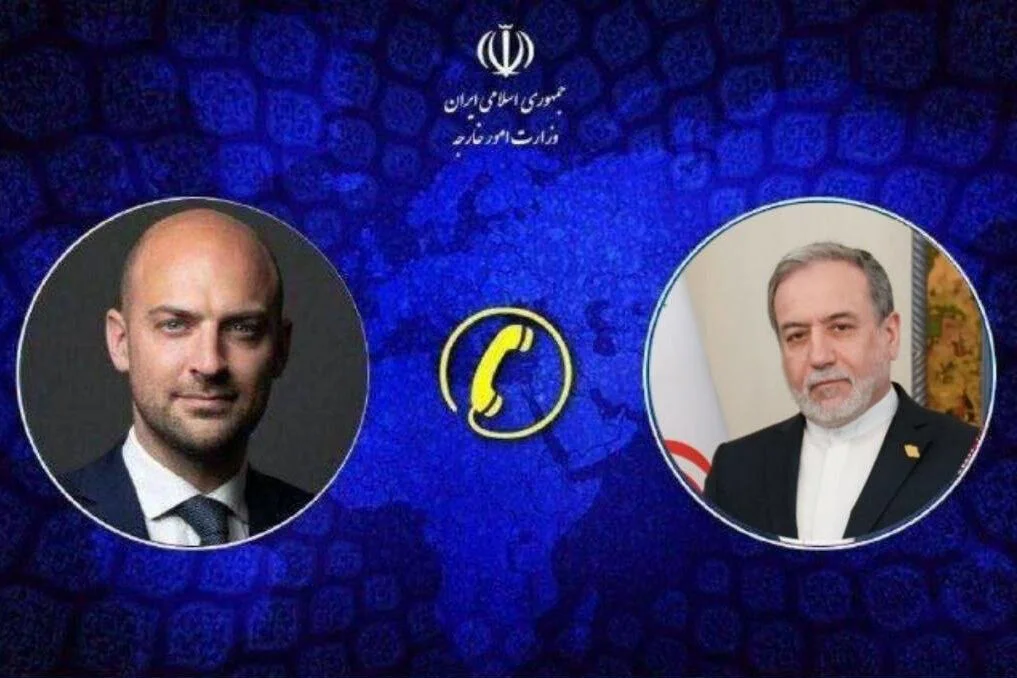
This breakdown in communication has immediate and profound implications for the Iranian economy. For months, the Toman has been buoyed by the hope of a 'grand bargain' or at least a de-escalation deal that would ease sanctions. With those hopes now sidelined, the risk premium on the Iranian Rial has exploded. The market is no longer looking at the fundamentals of trade but is instead hedging against the possibility of a direct regional conflagration. The arrival of a new UN Resident Coordinator in Tehran today, while a standard diplomatic procedure, was overshadowed by the weight of Araghchi's phone calls with European counterparts like France's Jean-Noël Barrot, where the tone was reportedly one of grave warning rather than reconciliation.

Global Energy Shock and the 176k Toman Barrier
The ripple effects of the diplomatic freeze were felt instantly in the energy markets. Global oil prices jumped a staggering 7% on Monday, with Brent crude crossing the $97 per barrel mark. This surge was triggered by reports that Iran might fully close the Strait of Hormuz in response to the Lebanon crisis. For neighboring countries like Pakistan, the impact is already devastating; inflation there has accelerated to 11.7% as energy import costs balloon. The 'oil and gas import shock' is no longer a theoretical risk but a present reality that is draining the foreign exchange reserves of regional economies and stoking domestic unrest across South Asia.
In Tehran’s unregulated markets, the reaction was even more volatile. The USD/IRR rate moved from 171,800 to 176,300, marking a 2.6% depreciation of the Toman in just 24 hours. Gold followed suit, with the 18k gram price rising from 18,853,594 to 19,045,893 (+1.0%) and the Emami coin jumping 2.7% to reach 187,000,000 Toman. This isn't just a currency fluctuation; it is a flight to safety. Investors are dumping Rials for hard assets as the specter of a broader Middle Eastern war looms larger than it has in years. The closure of the Strait of Hormuz, if realized, would not only choke global supply but would likely push the Toman into uncharted territory above the 200k mark.

US Political Friction and the 'MAGA Slush Fund'
While the Middle East burns, the political landscape in Washington is adding another layer of uncertainty to global markets. Senate Democrats, led by Chuck Schumer, have vowed to challenge a $1.8 billion 'MAGA slush fund' established by the Trump administration. This fund, ostensibly created to compensate victims of 'politicized prosecutions,' is being decried by critics as a tool for political patronage and corruption. The internal friction in the US government is making it increasingly difficult for international partners to gauge the long-term direction of American foreign policy, particularly regarding Iran sanctions and Middle East intervention.
Adding to the domestic drama, the release of former elections clerk Tina Peters from prison—following a sentence commutation—has reignited debates over the rule of law and election integrity in the US. While these stories might seem disconnected from the price of gold in Tehran, they contribute to a sense of global institutional decay. When the world's primary reserve currency issuer is embroiled in such deep internal discord, it weakens the perceived stability of the dollar-led financial system. For Iranian traders, this chaos in Washington means there is no 'steady hand' to rely on, further incentivizing the move into decentralized assets like Bitcoin or physical gold coins.
Market Sentiment and the Crypto Decoupling
Despite the chaos in fiat markets, the cryptocurrency sector showed a curious resilience, though not without its own internal dramas. Bitcoin (BTC) hovered around $70,970, even as Michael Saylor’s Strategy sold $2.5 million worth of the asset to fund corporate distributions. While some analysts feared this might spark a panic, the market largely absorbed the move as 'immaterial.' However, the decoupling of the Toman from global crypto trends is becoming more pronounced. In Tehran, Tether (USDT) is trading at 175,365 Toman, reflecting the domestic demand for digital dollars as a hedge against the Rial's collapse, even when the underlying asset (BTC) remains relatively stable in USD terms.
The broader lesson for the hour is that the 'geopolitical heat' is now the primary driver of value in Iran. As long as the Lebanon front remains active and the Israel-Iran shadow war continues to step into the light, traditional economic indicators like trade balances or central bank reserves will take a backseat to military developments. For the average Iranian citizen, the focus has shifted from growth to preservation. Whether it is the 2.7% jump in Emami coins or the rush for USDT, the message is the same: the market is preparing for a long, cold summer of regional instability.
Frequently Asked Questions
Why did Iran suspend talks with the US today?
What is the impact of the Strait of Hormuz closure threat on oil?
Why is the Toman falling faster than other regional currencies?
What is the 'MAGA slush fund' mentioned in US news?
Understanding Currency Devaluation: Why the Iranian Toman Plummeted
Currency devaluation occurs when a country's official exchange rate falls relative to foreign currencies, meaning more units of the local money are needed to buy the same amount of foreign currency. In Iran, the rial (commonly referred to as the Toman, equal to 10 rials) has slid to around 176,000 per US dollar in June 2026, reflecting a sharp loss of confidence among investors and the public. Devaluation can be driven by a mix of factors: persistent fiscal deficits, high inflation, dwindling foreign exchange reserves, and, in Iran's case, extensive international sanctions that restrict access to hard currency.
When a currency loses value rapidly, imported goods become more expensive, feeding into inflation. Iran already suffers from double‑digit inflation, and a weaker rial amplifies price pressures on essentials like food and medicine. Moreover, devaluation erodes real wages, reduces purchasing power, and can push households into poverty. The government may try to intervene by imposing exchange controls, subsidizing essential imports, or raising interest rates, but these measures often have limited success if underlying structural problems remain.
A devalued currency can also affect the broader economy by discouraging foreign investment. Investors fear that returns will be eroded by further currency losses, leading to capital flight and a further drop in reserves. In Iran, the combination of sanctions, political isolation, and a volatile regional security environment—such as tensions in the Strait of Hormuz—exacerbates these dynamics, creating a feedback loop of weakening currency and economic contraction.
Understanding devaluation helps explain why the Toman’s collapse coincides with heightened geopolitical risk, such as the Lebanon‑Israel conflict, which pushes oil prices up and adds pressure on Iran’s export‑dependent economy. While a weaker currency can make a country’s exports more competitive, Iran’s oil exports are constrained by sanctions and regional instability, limiting any potential benefit.
Policymakers aiming to stabilize the rial must address both macro‑economic fundamentals—like fiscal discipline and inflation control—and the external constraints imposed by sanctions. Structural reforms, diversification away from oil, and rebuilding trust with the international financial system are long‑term solutions that can halt or reverse the devaluation spiral.
Topics
Related Articles