Regional Escalation: Toman Slides as Iran Suspends Peace Talks Amid Lebanon Strikes
تعلیق مذاکرات صلح و جهش قیمت ارز؛ تنش در لبنان بازار تهران را ملتهب کرد
The Iranian Toman has weakened to 174,200 per dollar as Tehran officially suspended peace talks with the U.S. following Israeli strikes in Lebanon. While President Trump claims negotiations are 'rapidly' continuing, the market remains on edge with oil prices holding steady above $95.
At time of publishing
USD
174,200
Toman
Gold 18K
18.97M
Toman / gram
Bitcoin
$71,528
US Dollar
Tether
173,063
Toman
The Beaufort Brink: Lebanon Strikes and Diplomatic Suspension
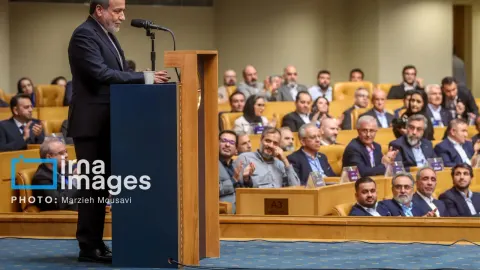
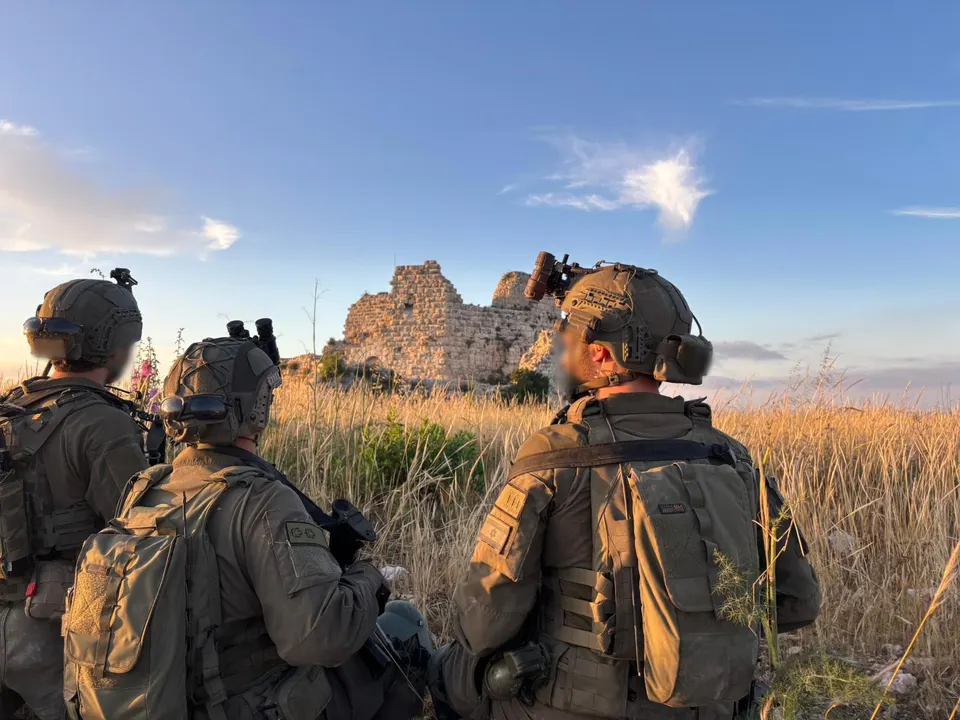
The geopolitical landscape shifted significantly this hour as the Iranian Foreign Ministry, led by Abbas Araghchi, announced the formal suspension of peace talks with the United States. This decision comes in direct response to what Tehran describes as an "unequivocal violation" of the ceasefire in Lebanon, where Israeli forces have pushed deeper into the south, specifically targeting the historic Crusaders-era Beaufort Castle. The escalation has turned the diplomatic "shrug" of previous weeks into a full-blown crisis, as the Islamic Revolutionary Guard Corps (IRGC) signaled that the suspension includes talks aimed at reopening the Strait of Hormuz.
For the Iranian domestic market, this diplomatic freeze acted as an immediate catalyst for currency volatility. The USD/IRR exchange rate moved from 171,800 to 174,200, representing a 1.4% depreciation of the Toman in just 24 hours. The sense of uncertainty is palpable in Tehran’s financial districts, where traders are pricing in the risk of a broader regional conflict. The move deeper into Lebanon by Israeli forces suggests a shift from tactical strikes to a more permanent "digging in" at strategic command centers, a move that Iran views as a direct threat to its regional proxy network and its own national security interests.
The Trump Paradox: Conflicting Signals and $95 Oil
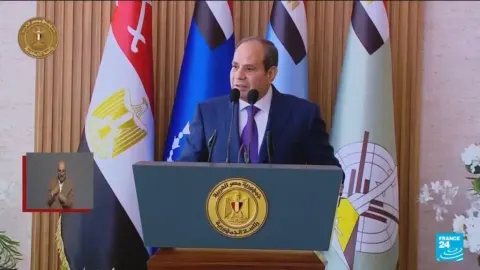
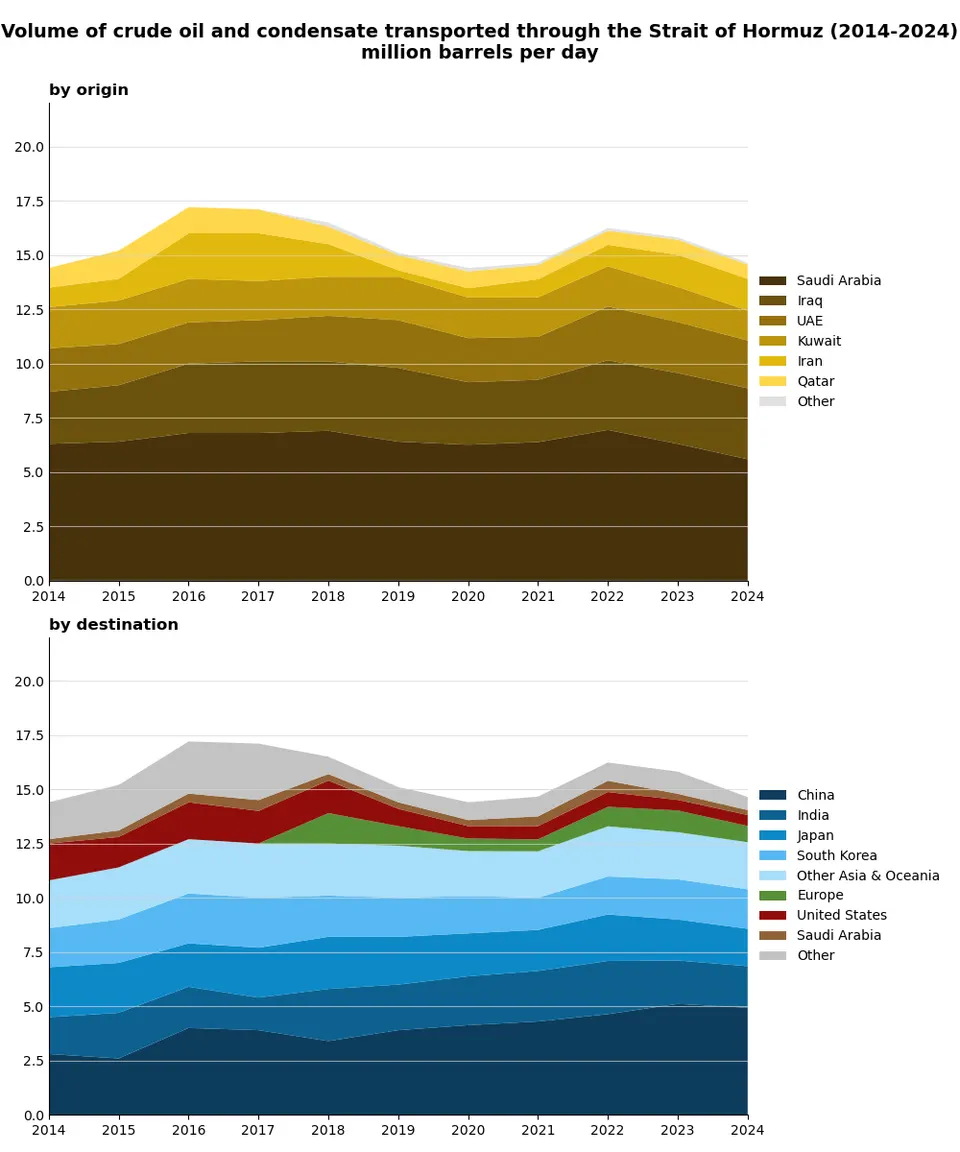
In a characteristic display of diplomatic dissonance, President Donald Trump posted on Truth Social that talks with Iran were actually continuing at a "rapid pace," despite Tehran's official statement to the contrary. This conflicting narrative has left global energy markets in a state of flux. Global oil prices have trimmed some early gains but remain stubbornly high, topping $95 a barrel. The market is currently caught between Trump’s optimism for a deal and the reality of military kinetic actions on the ground. For Iran, the high price of oil is a double-edged sword; while it increases potential revenue, the inability to guarantee safe passage through the Strait of Hormuz limits the actual export volume.
This discrepancy between Washington's rhetoric and Tehran's actions has created a "wait-and-see" atmosphere for international investors. If the ceasefire in Lebanon and Gaza continues to be ignored, the $95 oil floor could easily become a ceiling that breaks upward toward $100. For the average Iranian citizen, this translates to heightened inflation expectations. As the Toman slides and regional risks mount, the cost of imported goods is expected to rise, further squeezing a population already dealing with the economic fallout of prolonged sanctions and diplomatic stalemates.
Market Jitters: Gold Surges and Crypto Outflows
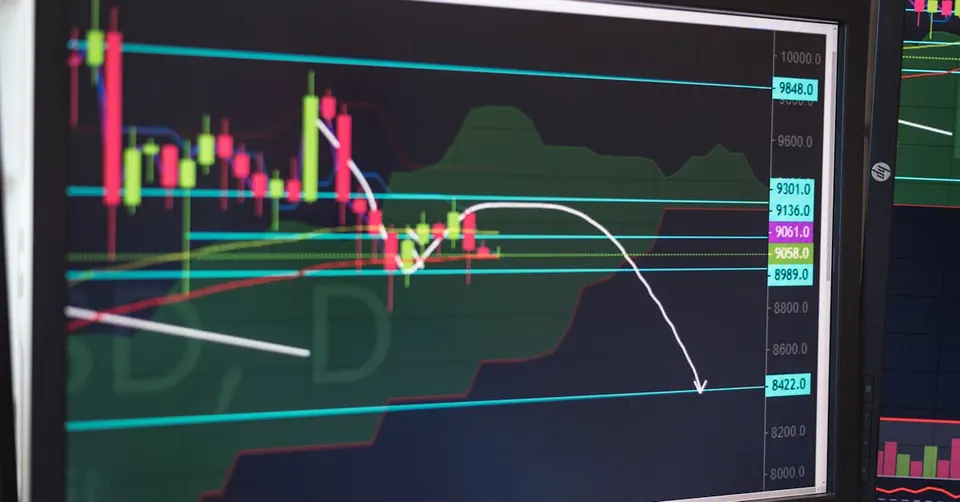
The local gold market has reacted even more sharply than the currency market to the news of suspended talks. The Emami coin price rose from 182,000,000 to 187,000,000 Toman, a significant 2.7% jump that reflects a flight to safety among local savers. Gold 18k followed suit, increasing by 0.6% to reach 18,971,328 Toman per gram. This internal demand for gold is being driven by the fear that the collapse of negotiations will lead to a fresh round of Western sanctions or, worse, a direct military confrontation between the US and Iranian assets in the region.
Simultaneously, the global crypto market is facing its own set of challenges. Digital asset investment products saw a massive $1.67 billion in outflows last week, the second-largest of the year. Much of this panic was fueled by Strategy (MicroStrategy) disclosing a rare sale of $2.5 million in Bitcoin to fund preferred stock distributions. While analysts argue the sale was "immaterial" to the company's overall holdings, it shattered the "never sell" narrative that has supported Bitcoin’s price floor. As BTC hovers around $71,528, the combination of local geopolitical risk and global institutional selling has created a complex environment for Iranian crypto investors who often use stablecoins like USDT (currently at 173,063 Toman) as a hedge.
Central Asian Power Plays: The $16 Billion Nuclear Question
While the world’s attention is fixed on the Levant, a significant energy deal is unfolding in Central Asia that could have long-term implications for regional power dynamics. Russia’s Rosatom is moving forward with a $16 billion deal to build Kazakhstan’s first nuclear power plant on the shores of Lake Balkhash. However, recent reports indicate the deal lacks a critical detail: the specific financial and technical guarantees required to bypass international sanctions. During Vladimir Putin’s recent visit to Kazakhstan, basic agreements were signed, but the lack of a finalized roadmap suggests that even Russia’s closest allies are wary of secondary sanctions.
This development is relevant to Iran as it mirrors the challenges Tehran faces in its own energy and nuclear infrastructure projects. The reliance on Russian technology in the face of Western pressure is a shared geopolitical reality. As Azerbaijan also ramps up gas production in the Caspian Sea with BP, the competition for energy dominance in the region is intensifying. For Iran, these shifts in Central Asia and the Caucasus represent both a challenge to its role as a regional energy hub and a potential blueprint for how to navigate complex international partnerships under the shadow of sanctions.
Frequently Asked Questions
Why did Iran suspend the peace talks with the U.S.?
How has the USD/IRR rate responded to the latest escalation?
What does the MicroStrategy Bitcoin sale mean for the crypto market?
Is the Strait of Hormuz at risk of closure?
Geopolitical Risk and Currency Depreciation
Geopolitical risk refers to the potential for political events, conflicts, or instability between nations to disrupt global or regional economic stability. These risks can stem from diplomatic breakdowns, armed conflicts, trade wars, or even significant political changes within key countries. When such risks escalate, as suggested by the suspension of peace talks and regional conflicts, they inject a high degree of uncertainty into financial markets, prompting investors to reassess the stability and future prospects of affected economies.
One of the most immediate and visible impacts of heightened geopolitical risk is currency depreciation. As uncertainty mounts, both domestic and foreign investors tend to lose confidence in the local economy. This often leads to capital flight, where investors move their assets out of the country and convert local currency into more stable, often internationally recognized, currencies like the U.S. dollar. This increased demand for foreign currency and decreased demand for the local currency directly drives down the local currency's value, making imports more expensive and eroding purchasing power.
In the context of Iran, the suspension of peace talks, coupled with regional conflicts in Lebanon and the potential risk to critical chokepoints like the Strait of Hormuz, significantly amplifies geopolitical risk. The Toman's slide reflects market concerns about potential sanctions, disruptions to oil exports (a primary source of foreign exchange), and broader economic instability. Such events deter foreign investment, encourage capital outflow, and can fuel inflation, creating a challenging environment for economic planning and stability. Understanding this direct link between geopolitical tensions and currency value is crucial for comprehending the broader economic ramifications of international relations.
Topics
Related Articles