Trump Claims Middle East De-escalation as Oil Hits $95 and Toman Slides 1.5%
ادعای ترامپ درباره توقف درگیریها در لبنان؛ جهش قیمت نفت به ۹۵ دلار و صعود ۱.۵ درصدی دلار
President Trump claims a breakthrough in Israel-Hezbollah talks as oil prices surge to $95. Meanwhile, the Iranian Toman faces renewed pressure, climbing to 174,300 per USD despite diplomatic optimism.
At time of publishing
USD
174,300
Toman
Gold 18K
18.97M
Toman / gram
Bitcoin
$71,409
US Dollar
Tether
173,220
Toman
Trump Claims 'All Shooting Will Stop' as Peace Talks Continue
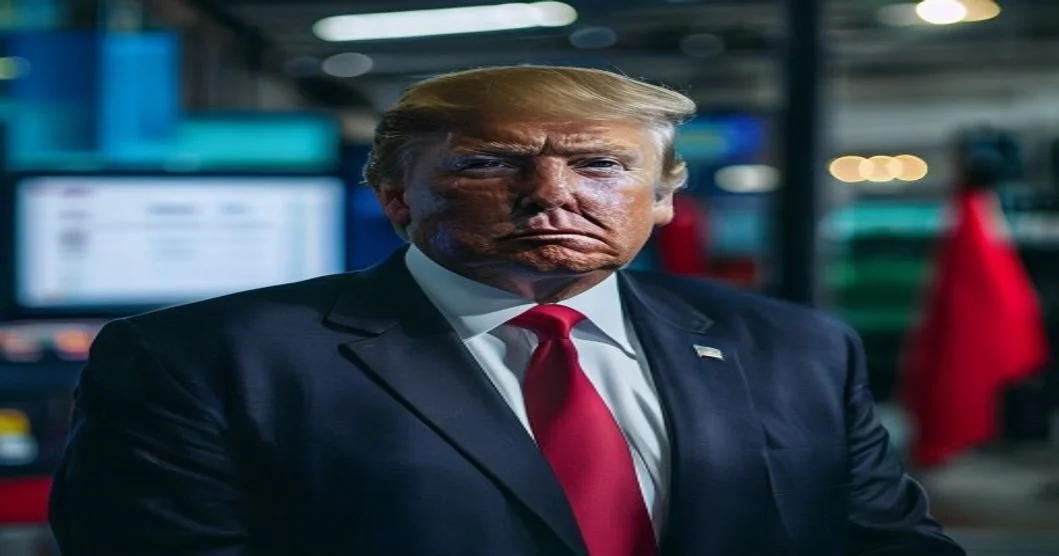
In a series of late-night social media posts that have sent ripples through global diplomatic circles, President Donald Trump announced that Israel and Hezbollah have tentatively agreed to a mutual de-escalation. According to the President, his direct conversations with Prime Minister Benjamin Netanyahu and representatives of the Lebanese group have led to a declaration that "all shooting will stop." This development comes at a critical juncture, following Iran’s recent decision to pause peace negotiations in protest of Israeli military operations in Beirut. Trump’s intervention appears aimed at preventing a total collapse of the regional ceasefire framework and bringing Tehran back to the table.
The impact of this announcement on the Iranian domestic market has been immediate but contradictory. While the news of a potential truce usually bolsters the Rial, the USD/IRR rate has moved from 171,800 to 174,300, representing a 1.5% depreciation within the last 24 hours. This suggests that traders remain skeptical of the long-term viability of such social-media-brokered deals, especially as influential Lebanese lawmakers like Nabih Berri continue to call for more formal, structured truces. For the average Iranian reader, this volatility reflects a deep-seated anxiety: the gap between high-level diplomatic rhetoric and the reality of regional military positioning.

Oil Prices Defy Peace Rhetoric, Surging to $95 a Barrel
Despite the optimistic tone coming from the White House regarding a Middle East ceasefire, global energy markets are telling a different story. Brent crude prices have topped $95 a barrel, marking their best single-day performance in over a month. Investors appear to be pricing in the risk of continued supply disruptions in the Strait of Hormuz and the broader Levant region, regardless of Trump’s claims that talks with Iran are "continuing at a rapid pace." The market's refusal to cool down suggests that the underlying structural risks to oil production and transit remain far from resolved.
For Iran, the $95 oil price is a double-edged sword. While it theoretically increases the value of its energy exports, the simultaneous rise in the Toman—with the Emami gold coin jumping 2.7% to 187,000,000 Toman—indicates that domestic inflation expectations are outpacing the benefits of higher oil revenue. The disconnect between Trump's "peace" and the market's "panic" highlights a significant risk: if the ceasefire fails to materialize into a signed agreement, oil could easily test the $100 psychological barrier, further straining global supply chains and Iranian import costs.
OpenAI Faces Legal Firestorm Over 'Aiding and Abetting' Mass Shooters
In the technology sector, the legal pressure on artificial intelligence pioneers has reached a boiling point. Florida Attorney General James Uthmeier has filed a lawsuit against OpenAI and its CEO, Sam Altman, alleging that the company’s flagship product, ChatGPT, has been used to "aid and abet" mass shooters. The lawsuit claims that the AI was utilized by perpetrators to plan logistics and circumvent security measures, asserting that OpenAI built a "web of deceit" regarding the safety guardrails of its technology. This case represents one of the most significant legal challenges to the AI industry to date, moving beyond copyright concerns into the realm of public safety and criminal liability.
This legal battle could have far-reaching consequences for the valuation of AI firms and the future of generative technology. If the Florida courts find that AI developers can be held liable for the criminal actions of their users, it would necessitate a total overhaul of how models are trained and deployed. For tech investors and startups in the region, this signals a shift toward much stricter regulatory environments. The era of "move fast and break things" in AI is being replaced by a period of intense scrutiny, where the social cost of technology is weighed directly against its innovative potential.
MicroStrategy Breaks Accumulation Streak with First Bitcoin Sale Since 2022
In the cryptocurrency markets, a psychological shift is underway as MicroStrategy, the world's largest corporate holder of Bitcoin, reported its first sale of the asset since 2022. While the sale was relatively small—involving approximately 32 BTC—it has triggered a "market stress test" for investor sentiment. The move threw a wrench into a $20 million Polymarket betting pool that had wagered on the company maintaining its accumulation streak. Although the company remains overwhelmingly bullish on the digital asset, the decision to liquidate even a small portion has led to debates over capital structure and liquidity needs in a high-interest-rate environment.
For the Iranian crypto community, which often looks to institutional moves in the US as a bellwether for local prices, this news serves as a reminder of the volatility inherent in treasury-backed crypto strategies. Bitcoin is currently trading at $71,409, but the MicroStrategy news has introduced a layer of caution. As institutional treasuries evolve, the focus is shifting from pure accumulation to sophisticated liquidity management. This means that even the most "diamond-handed" holders may occasionally sell to optimize taxes or rebalance, a reality that retail investors must account for when managing their own portfolios in the Toman-denominated market.
Frequently Asked Questions
Why is the Toman falling despite Trump's claims of a Middle East ceasefire?
What are the legal implications of the Florida lawsuit against OpenAI?
Why did MicroStrategy sell Bitcoin for the first time in two years?
How does the $95 oil price affect the Iranian economy right now?
The Strategic Significance of the Strait of Hormuz in Global Oil Markets
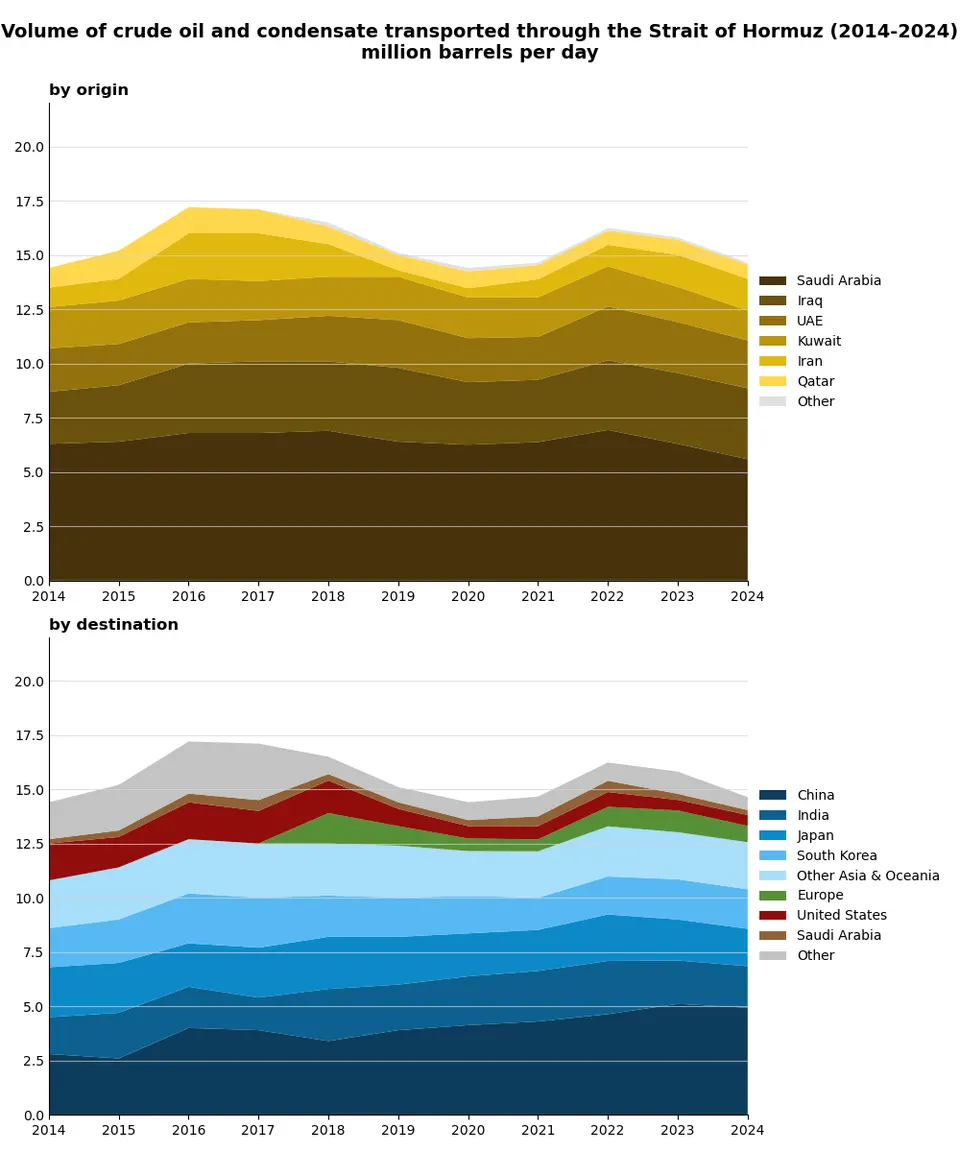
The Strait of Hormuz is a narrow waterway that links the Persian Gulf with the Gulf of Oman and the open ocean. At its narrowest point it is only about 21 nautical miles wide, yet more than 20 % of the world’s petroleum—roughly 18 million barrels per day—passes through it. Because the majority of the world’s oil‑producing nations in the Middle East (Iran, Iraq, Kuwait, Saudi Arabia, and the United Arab Emirates) rely on this chokepoint to export their product, any disruption can instantly reverberate through global energy prices, as we saw when oil briefly spiked to $95 a barrel.
Geopolitical tension is the primary driver of risk in the Hormuz corridor. The waterway has been a flashpoint for confrontations between Iran and the United States, and more recently between Iran‑backed groups such as Hezbollah and Israel. Even a modest naval incident—such as the seizure of a commercial vessel or a brief closure—can trigger a supply‑shock narrative, prompting traders to bid up futures contracts and pushing spot prices higher. This dynamic helps explain why political statements about de‑escalation, like those from former President Trump, are closely watched by market participants.
From an economic perspective, the Hormuz risk premium is baked into oil pricing models. Analysts add a “geopolitical surcharge” to forward curves to account for the probability of supply interruptions. When the perceived risk falls—say, after a cease‑fire agreement between Hezbollah and Israel—the surcharge shrinks, and oil prices may retreat, benefiting consumers but hurting oil‑exporting economies that depend on high revenues. Conversely, a rise in tension can accelerate currency depreciation in oil‑importing countries, such as Iran’s rial, as they need more foreign exchange to purchase the same amount of oil.
Understanding the strategic importance of the Strait of Hormuz therefore equips investors, policymakers, and everyday readers with a lens to interpret sudden moves in oil markets, currency fluctuations, and even broader macro‑economic trends. It underscores how a single geographic bottleneck can amplify the impact of diplomatic talks, military posturing, and regional conflicts on the global economy.
Topics
Related Articles