Trump Claims Lebanon Peace While IRGC Warns of 'New Fronts' as Toman Hits 176,000
ادعای صلح ترامپ در لبنان و هشدار سپاه به گشایش جبهههای جدید؛ تداوم نوسان در بازار ارز تهران
Despite Donald Trump’s optimism regarding a Lebanon ceasefire, clashes persist on the ground while Iran’s IRGC warns of closing the Strait of Hormuz. Meanwhile, the Iranian Toman faces renewed pressure, rising to 176,000, and Bitcoin slips below the $70k mark.
At time of publishing
USD
176,000
Toman
Gold 18K
19.32M
Toman / gram
Bitcoin
$69,857
US Dollar
Tether
174,392
Toman
The Lebanon Paradox: Trump’s Peace Claims vs. Regional Reality
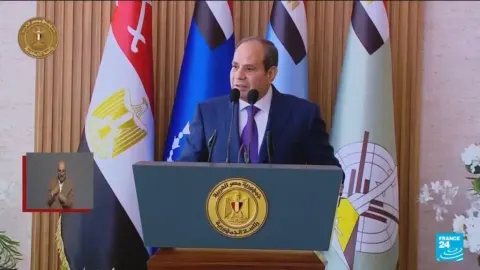
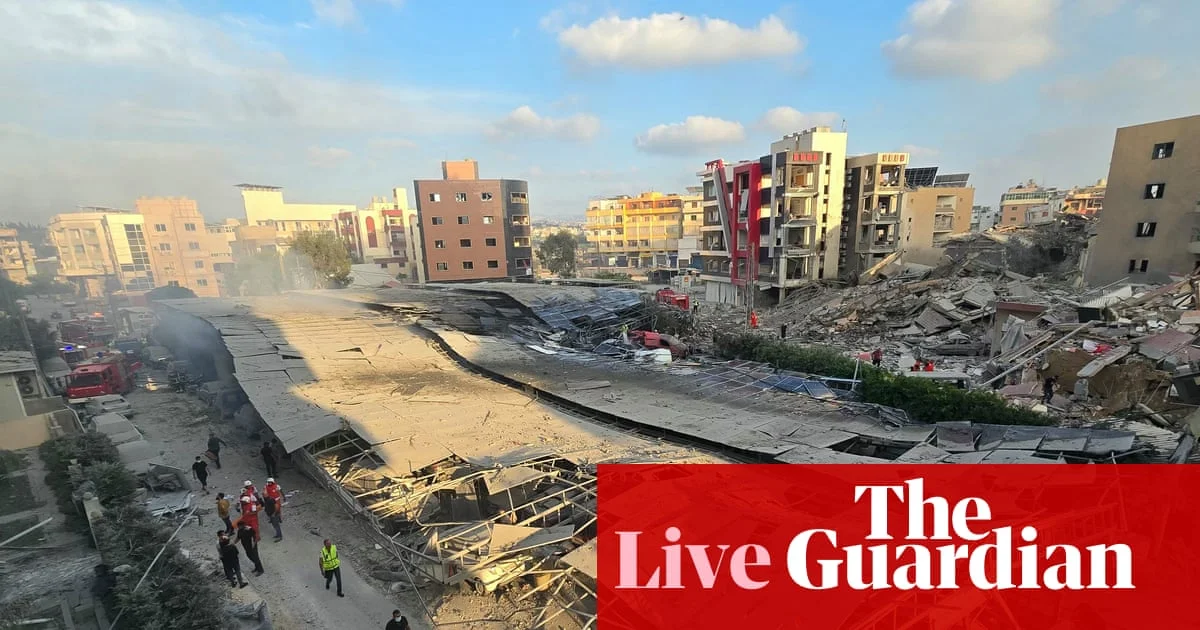
At 11:00 Tehran time, the Middle East remains on a knife-edge as a significant disconnect emerges between diplomatic rhetoric and military action. President Donald Trump has taken to social media to hail a purported agreement between Israel and Hezbollah to "stop all shooting," suggesting a major de-escalation is underway. However, the reality on the ground tells a different story. Israeli Prime Minister Benjamin Netanyahu has distanced himself from talks of a comprehensive ceasefire, and the Israeli military reported intercepting missiles from Lebanon just this morning. This lack of clarity has immediately injected volatility into the Iranian currency market, where the USD rose from 174,300 to 176,000 Toman, a 1.0% increase in just 24 hours.
In Tehran, the response has been one of stern warning rather than celebration. Ali Akbar Velayati, the international affairs adviser to the Leader of the Islamic Revolution, characterized Israel’s continued strikes on Beirut’s southern suburbs as a violation of existing understandings and a sign of the regime's desperation. More critically, the Islamic Revolutionary Guard Corps (IRGC) has signaled that crossing "red lines" in Lebanon and Gaza could lead to the opening of new fronts and the potential closure of the Strait of Hormuz. For Iranian citizens, this rhetoric reinforces the sense of a prolonged security crisis, preventing the Toman from stabilizing despite international efforts to broker peace.
Escalation in the East: Russia’s Massive Strike on Ukraine
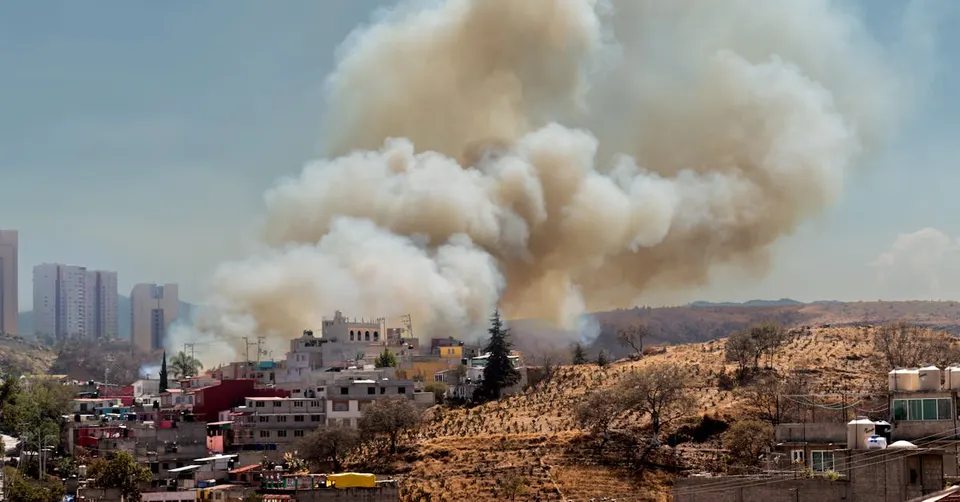
While eyes are fixed on the Levant, a massive escalation has occurred in Eastern Europe. Russia launched one of its most expansive aerial campaigns to date, firing 73 missiles and deploying a staggering 656 drones against major Ukrainian cities including Kyiv, Dnipro, and Kharkiv. Ukrainian air defenses managed to suppress a significant portion of the onslaught, but the sheer volume of the attack resulted in at least 13 fatalities and dozens of injuries. Rescuers are currently working through the rubble of residential buildings, a grim reminder that the war in Ukraine continues to exert immense pressure on global geopolitical stability and energy supply chains.
This escalation has direct implications for global risk appetite. When major powers engage in high-intensity strikes of this magnitude, capital typically flows toward safe-haven assets. This is reflected in the local Iranian gold market, where Gold 18k per gram moved from 18,971,328 to 19,316,219 Toman, an increase of 1.8%. Investors are increasingly hedging against the possibility of a wider conflict that could further disrupt global trade routes or prompt new rounds of international sanctions that indirectly affect the Iranian economy through its ties with Moscow.

Trade Wars and Crypto Retreat: The Trump-Brazil Tariff & Bitcoin’s Slide
In a move that signals the return of aggressive American protectionism, the Trump administration has targeted Brazil with a 25% tariff, citing unfair trade practices. This move, initiated under Section 301 investigations, suggests that the U.S. is doubling down on rebuilding its domestic industrial base at the expense of traditional trade partners. For global markets, this heralds a period of renewed trade friction and potential inflation, as supply chains are forced to adjust to sudden cost increases. The announcement has contributed to a general atmosphere of economic uncertainty that is filtering through to speculative markets.
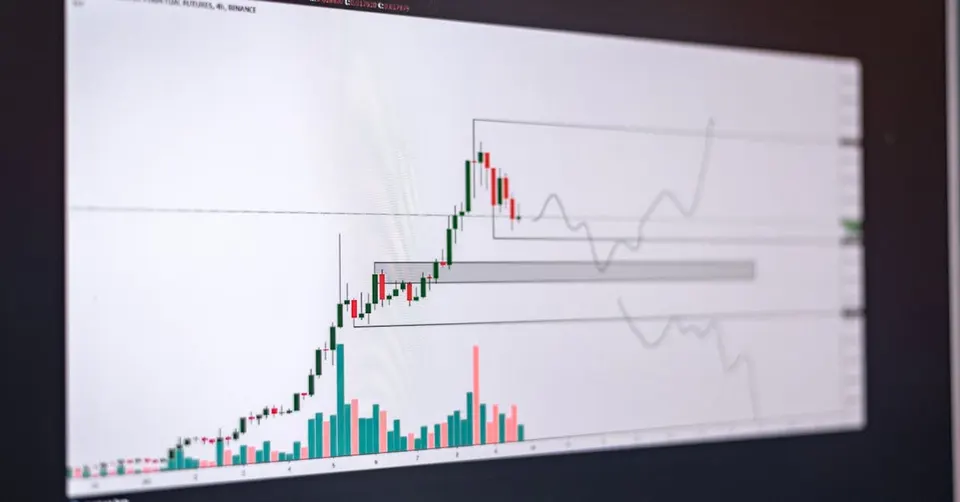
Simultaneously, the cryptocurrency market is showing signs of fatigue. Bitcoin has slid to $69,857, falling below the psychologically significant $70,000 mark. Analysts attribute this 24-hour weakness to a combination of institutional selling—notably a $3.4 billion selloff in U.S. spot ETFs—and regional uncertainty involving Iran. As risk dollars rotate toward AI-led equities, which are currently seeing a rally, crypto majors like XRP are also hitting multi-week lows. For Iranian crypto holders, this dip, combined with the rising USD/IRR rate, creates a complex environment for capital preservation, as the local price of USDT remains high at 174,392 Toman despite the global BTC pullback.
Frequently Asked Questions
Why is the Toman rising despite Trump's claims of a Lebanon ceasefire?
How did the Russian attack on Ukraine affect the Iranian gold market?
What caused Bitcoin to drop below the $70,000 threshold?
Understanding Geopolitical Risk and its Impact on Currency Value
Geopolitical risk refers to the potential for political instability, conflict, or international tensions to disrupt global markets and economic activity. When such risks escalate, particularly in a volatile region like the Middle East, they cast a long shadow over a nation's economic outlook and, crucially, its currency value. Warnings of "new fronts" or heightened regional tensions immediately trigger uncertainty among investors and the general public, leading to a loss of confidence in the local economy.
The mechanisms through which geopolitical risk impacts currency are direct and swift. Increased uncertainty often prompts both foreign and domestic investors to move their capital out of the affected country, seeking safer havens elsewhere. This "capital flight" reduces demand for the local currency, causing its value to depreciate against major international currencies. Simultaneously, the prospect of conflict can disrupt trade routes, increase insurance costs for shipping, and deter foreign direct investment, further weakening the economic fundamentals that underpin a strong currency.
For a currency like the Iranian Toman, already under pressure from sanctions and domestic economic challenges, heightened geopolitical risk acts as a significant amplifier of existing vulnerabilities. The headline's mention of the Toman hitting 176,000 amidst warnings from the IRGC underscores this direct correlation. When military or political rhetoric suggests an expansion of conflict, it signals potential disruptions to oil exports, increased defense spending, and further isolation, all of which erode confidence in the Toman's stability and accelerate its depreciation. This ultimately translates into higher import costs and domestic inflation, directly impacting the purchasing power of ordinary citizens.
Topics
Related Articles