UK Publishers Win Opt-Out Rights Against Google AI; US Primaries and Gulf Tensions Rattle Global Markets
پیروزی رسانههای بریتانیا بر هوش مصنوعی گوگل؛ سایه سنگین انتخابات آمریکا و تنشهای خلیج فارس بر بازارها
The UK’s competition watchdog has granted publishers the power to block Google’s AI summaries, potentially shifting the digital revenue landscape. Simultaneously, US midterm primary results and escalating military strikes in the Persian Gulf are driving market volatility and new sanctions on Iranian crypto firms.
At time of publishing
USD
174,200
Toman
Gold 18K
18.87M
Toman / gram
Bitcoin
$67,145
US Dollar
Tether
171,414
Toman
UK Media Groups Reclaim Power Over Google’s AI Search Summaries
In a landmark decision for the digital age, the UK’s Competition and Markets Authority (CMA) has announced that British publishers will now have the power to opt out of having their content used to train Google’s AI models or power its search summaries. This move addresses a growing fear among media organizations that Google’s "AI Overviews"—which provide direct answers to user queries—are cannibalizing website traffic by removing the need for users to click through to original sources. By granting publishers these tools, the watchdog aims to level the playing field, allowing media companies to protect their intellectual property and negotiate better deals for the use of their content.
This development is not just a localized policy shift; it represents a potential global turning point in the relationship between Big Tech and traditional media. For years, publishers have struggled to maintain advertising revenue as platforms like Google and Meta dominated the digital landscape. If other jurisdictions follow the UK’s lead, it could force a fundamental redesign of how AI search engines operate. Publishers argue that without the ability to control their data, the very existence of high-quality journalism is at risk, as AI systems effectively provide a "free" version of their labor-intensive reporting without providing any reciprocal value in terms of traffic or revenue.

US Midterm Primaries and the 2026 Political Landscape
As of Wednesday morning, results are trickling in from key midterm primary elections across six US states, including California and Iowa. These elections are being closely watched by global markets as a barometer for the political direction of the United States heading into the final stretch of the 2026 cycle. In California, high-stakes races for the governorship and several congressional seats are in a state of deadlock, reflecting a deeply divided electorate. Meanwhile, in Maine, the Democratic party’s hopes of regaining control of Congress have been complicated by personal scandals surrounding Senate hopeful Graham Platner, highlighting the volatility of this election cycle.
For global investors and Iranian observers, these primaries are more than just domestic American politics. The composition of the next US Congress will directly influence foreign policy, particularly regarding sanctions enforcement and trade agreements. A shift toward a more hawkish or isolationist legislature could alter the trajectory of negotiations in the Middle East. As political uncertainty grows, the US Dollar remains a focal point of stability, though the internal divisions revealed by these primary results suggest that the path toward legislative consensus in Washington will remain fraught with obstacles for the remainder of the year.

Escalation in the Gulf and New Crypto Sanctions Target Tehran
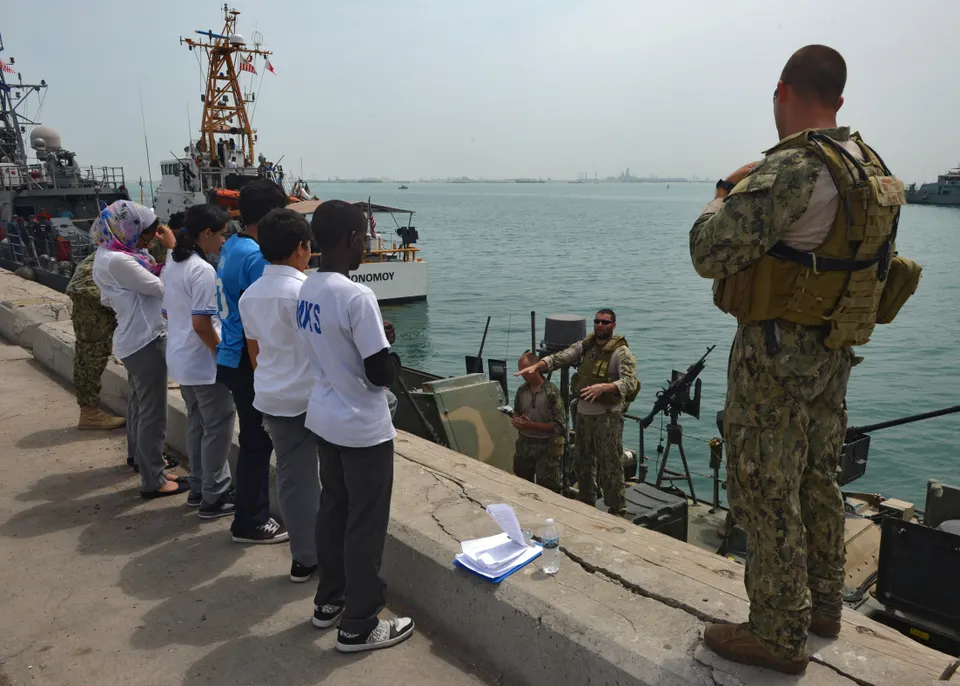
The geopolitical situation in the Persian Gulf has reached a new level of intensity as the US and Iran reportedly exchanged fresh strikes following the stalling of ceasefire negotiations. The Islamic Revolution Guards Corps (IRGC) announced a retaliatory missile and drone operation against the US Navy’s Fifth Fleet headquarters, while the US launched strikes targeting Iranian assets and oil tankers. This military friction is mirrored in the financial sector, where the US Treasury has imposed a new round of sanctions specifically targeting Iranian cryptocurrency exchanges and individuals linked to the digital asset space. Washington’s strategy appears to be a "pincer movement," combining physical military pressure with digital financial isolation.
These developments have had a direct impact on the domestic Iranian market. The USD sell rate in Tehran moved from 173,900 to 174,200 Toman (+0.2%) over the last 24 hours, reflecting the heightened risk premium associated with regional escalation. The sanctions on crypto firms are particularly significant, as digital assets have increasingly been used as a hedge and a tool for international trade within the sanctioned economy. With the US Fifth Fleet headquarters being a central node for regional security, any direct targeting suggests a breakdown in the informal de-escalation channels that had previously kept the conflict contained. Investors are now watching closely to see if this leads to a broader disruption of shipping through the Strait of Hormuz.
Global Energy Outlook: Demand Destruction vs. Supply Shocks
Goldman Sachs CEO David Solomon has issued a stark warning regarding the global energy market, suggesting that a looming oil shock could fundamentally alter consumer behavior in the second half of 2026. Despite the severe supply disruptions caused by the ongoing crisis in the Middle East, oil prices have not yet reached the record highs some analysts predicted. This is largely due to "demand destruction," where high prices and inflationary pressures force consumers to reduce their energy usage, effectively putting a ceiling on how high prices can climb. Solomon noted that the Federal Reserve is likely to keep interest rates unchanged as it monitors these shifting consumption patterns.
This paradox of high risk and tempered prices suggests that the global economy is in a fragile state of equilibrium. While the Strait of Hormuz remains a critical flashpoint, the lack of aggressive spot purchasing from major importers like China indicates a cautious approach to the current volatility. For the Iranian economy, which remains heavily dependent on oil exports, this trend of demand destruction in the West and caution in the East presents a complex challenge. Even if supply is constrained by conflict, the global appetite for expensive crude may not be strong enough to sustain a massive price rally, potentially limiting the revenue gains Tehran might expect from higher global energy costs.
Frequently Asked Questions
Why is the UK decision on Google AI significant for the global economy?
How are the US midterm primaries affecting the value of the Iranian Rial?
What does the targeting of Iranian crypto exchanges by the US signify?
The Geopolitical Significance of the Strait of Hormuz
The Strait of Hormuz is a narrow, strategically vital waterway connecting the Persian Gulf to the open ocean. At its narrowest point, it is only about 21 miles (33 km) wide, with the shipping lanes themselves being just two miles wide in each direction. This makes it an incredibly vulnerable chokepoint through which a significant portion of the world's energy supply must pass. Bordered by Iran to the north and Oman's Musandam Governorate to the south, its unique geography places it at the heart of regional and global power dynamics.
Its economic importance cannot be overstated. Roughly one-fifth of the world's total petroleum consumption and one-third of the world's liquefied natural gas (LNG) pass through the Strait of Hormuz daily. This includes crude oil and refined products from major producers like Saudi Arabia, Iran, Iraq, Kuwait, Qatar, and the UAE, destined for global markets, particularly in Asia. Any disruption to this flow, whether due to military conflict, political instability, or even perceived threats, can send shockwaves through international energy markets, leading to sharp spikes in oil prices and significant economic uncertainty, as highlighted by warnings from financial institutions like Goldman Sachs.
Historically, the Strait has been a flashpoint for numerous geopolitical tensions, including naval incidents, sanctions, and threats of blockades. The presence of powerful navies, coupled with regional rivalries and the strategic interests of global powers, ensures that events in the Persian Gulf are closely watched by governments and market analysts worldwide. Military strikes or heightened tensions in the region, as mentioned in the news, directly translate into increased risk premiums for oil and gas, impacting everything from consumer prices at the pump to the financial stability of nations.
Understanding the Strait of Hormuz is crucial for comprehending the intricate relationship between geopolitics, energy security, and global economic stability. Its continued role as a critical maritime chokepoint means that any development in the Persian Gulf region, from diplomatic breakthroughs to military standoffs, will invariably have far-reaching consequences for international trade, energy prices, and the broader global economy.
Topics
Related Articles