Global Diesel Warning: OECD Flags UK Shortage Risk as Gulf Conflict Escalates; US Sanctions Iran Crypto Exchanges
هشدار OECD درباره بحران سوخت در بریتانیا؛ حمله پهپادی به فرودگاه کویت و تحریم صرافیهای ارز دیجیتال ایران
The OECD warns of severe diesel shortages in rural UK if the Iran conflict persists, while US sanctions hit four Iranian crypto exchanges following a $1 billion seizure claim. Military tensions have spiked following a drone strike on Kuwait International Airport.
At time of publishing
USD
174,250
Toman
Gold 18K
18.82M
Toman / gram
Bitcoin
$67,158
US Dollar
Tether
171,031
Toman
The OECD’s Dire Warning: UK Diesel and the Iran Conflict
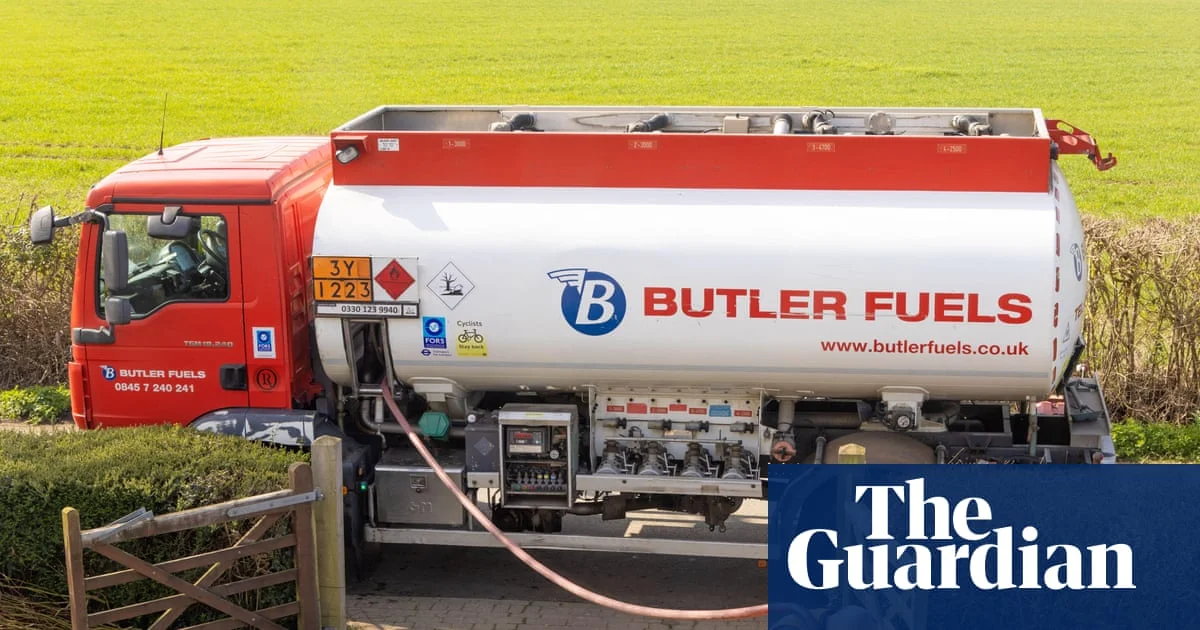
The Organisation for Economic Co-operation and Development (OECD) has issued a sobering forecast for the global economy, specifically highlighting the vulnerability of the United Kingdom to the ongoing conflict involving Iran. According to the latest report, rural areas in the UK are at a heightened risk of diesel shortages if the regional war continues to squeeze energy supplies into 2027. While the OECD slightly upgraded the UK’s growth forecast to 0.9% for 2026, it warned that this modest recovery is fragile and heavily dependent on government spending. The supply chain for middle distillates, such as diesel, remains the Achilles' heel of the European energy market, which has struggled to diversify away from volatile transit routes.
This warning signifies a shift in the economic narrative, moving from general inflation concerns to specific resource scarcity. For the global reader, this means that the 'Iran risk' is no longer just about the price of a barrel of Brent crude, but about the physical availability of fuel in Western hinterlands. If the conflict drags on, the OECD predicts a series of global recessions as energy-intensive industries and logistics networks buckle under the pressure of sustained supply gaps. The report underscores that without a diplomatic resolution, the economic cost of the war will transcend the Middle East, hitting the pockets of consumers and the operational capacity of businesses thousands of miles away.

Military Escalation: Kuwait Airport Hit and US-Iran Strikes
Geopolitical stability in the Persian Gulf took a sharp turn for the worse this morning as Kuwait announced its International Airport has been severely damaged by Iranian drone strikes. This unprecedented escalation has led to a total suspension of air traffic in the region, marking a significant expansion of the conflict's theater. Simultaneously, the US and Iran have exchanged a fresh round of strikes, signaling that the 'tit-for-tat' phase of the war has evolved into a more systematic campaign against critical infrastructure. The hit on a civilian hub like Kuwait’s airport serves as a grim reminder that the safety of neutral regional players is increasingly compromised as the conflict intensifies.
For markets, this escalation represents the worst-case scenario: the physical disruption of non-combatant logistics. The immediate impact is seen in rising insurance premiums for shipping and aviation in the Gulf. For Iranian readers, these developments suggest a tightening of the regional blockade and a potential for even more aggressive international responses. The involvement of Kuwait, which has often played a mediatory role, indicates that the diplomatic space for de-escalation is rapidly shrinking, replaced by a military reality that threatens the stability of the world's most vital energy corridor.

US Sanctions Target Iranian Crypto as Bitcoin Faces Volatility
In the financial arena, the US Treasury has intensified its 'maximum pressure' campaign by imposing sanctions on four prominent Iranian crypto exchanges. This move follows a claim by Treasury Secretary Scott Bessent that the US has seized nearly $1 billion in digital assets from Iranian-linked wallets and exchanges since February. The sanctions are designed to sever the last remaining digital lifelines used by the Iranian economy to bypass traditional banking restrictions. While Franklin Templeton CEO Jenny Johnson recently noted that blockchain technology is perceived as a threat to traditional finance profits, the US government is increasingly viewing it through the lens of national security and sanctions enforcement.

The crypto market has reacted with significant volatility to these geopolitical shocks. Bitcoin (BTC) is currently trading at $67,158, but it briefly dipped below the $66,000 mark earlier today as ETF outflows and war jitters spooked investors. The correlation between geopolitical instability and crypto sell-offs appears to be strengthening, challenging the 'digital gold' narrative. For Iranian crypto users, these sanctions mean a further narrowing of the platforms available for international trade, likely driving more activity into peer-to-peer and decentralized networks that are harder for Western regulators to monitor but carry higher individual risk.
Domestic Market Impact: The Rial and Global Drone Warfare
The Iranian Rial continues to feel the weight of these external pressures. In the last 24 hours, the USD/IRR exchange rate moved from 173,900 to 174,250, a 0.2% increase that reflects the market's nervous reaction to the Kuwait airport strike and the new crypto sanctions. Interestingly, gold prices saw a slight cooling, with 18k gold per gram falling from 18,870,446 to 18,819,890 (-0.3%), likely due to local profit-taking after a sustained rally. However, the Emami coin remains stable at 183,000,000 Toman, indicating that long-term holders are not yet ready to exit their hedge positions despite the daily fluctuations.
Beyond the Middle East, the world is witnessing a broader surge in drone-based warfare. Reports from Crimea and St. Petersburg confirm that Ukrainian drones have struck civilian infrastructure, including a bus and buildings near the site of the 'Russian Davos' economic conference. This global trend of 'asymmetric air power' is reshaping how markets price in risk. Investors are no longer just looking at traditional battlefields but are now forced to consider the vulnerability of every major economic hub to low-cost, high-impact drone technology. Whether in the Gulf or the Baltic, the message is clear: the era of safe harbors for capital is ending as regional conflicts go global.
Frequently Asked Questions
Why is the OECD linking UK diesel supplies to the Iran conflict?
What is the impact of the US sanctions on the four Iranian crypto exchanges?
How did the Kuwait airport strike affect the price of the Rial?
Understanding Energy Security: A Global Imperative
In a world increasingly reliant on a stable supply of resources, Energy Security stands as a critical concept, particularly highlighted by recent global events. At its core, energy security refers to the uninterrupted availability of energy sources at an affordable price. It encompasses a nation's ability to ensure its citizens and industries have reliable access to the fuel and power they need, without being overly vulnerable to external shocks or disruptions. This goes beyond mere supply; it includes the resilience of energy infrastructure, diversity of energy sources, and the strategic foresight to manage potential crises.
The fragility of energy security becomes acutely apparent when geopolitical tensions escalate, as seen with the "Gulf Conflict Escalates" and the mention of a "Kuwait airport drone strike." Such events directly threaten critical oil and gas production facilities, as well as vital shipping lanes through which a significant portion of the world's energy supplies travel. Disruptions in these regions can lead to immediate price spikes, as markets react to perceived risks to supply. The "Global Diesel Warning" and "UK Shortage Risk" are direct consequences of such vulnerabilities, demonstrating how regional conflicts can have far-reaching economic impacts, affecting everything from transportation to manufacturing and heating.
Furthermore, economic tools like "US Sanctions Iran Crypto Exchanges" can indirectly impact energy security by influencing global financial markets and the stability of energy-producing nations. While not directly targeting oil exports, sanctions can affect investment, trade routes, and the overall economic health of key players in the energy landscape, potentially leading to further instability or shifts in supply dynamics. Understanding energy security is therefore crucial for grasping how interconnected global politics, economics, and resource availability truly are, shaping national policies and international relations alike.
Topics
Related Articles