California Primary Deadlock and Gulf Escalation: A Volatile Morning for the Rial
بنبست در انتخابات کالیفرنیا و تنش در خلیج فارس: صبح پرتلاطم ریال و بازارهای جهانی
As California's primary results leave the US political landscape uncertain, the Rial edges higher amid renewed Gulf tensions. While global stocks hit records, Bitcoin faces a 'fear gauge' surge, creating a complex backdrop for Iranian investors.
At time of publishing
USD
174,700
Toman
Gold 18K
18.87M
Toman / gram
Bitcoin
$67,200
US Dollar
Tether
172,074
Toman
Market Open — USD Edges Higher Amid Regional Friction
The Iranian Rial opened Wednesday’s session with a slight downward bias, as the US Dollar rose from 173,900 to 174,700 Toman, marking a +0.5% increase over the last 24 hours. This movement reflects a cautious stance in the local market, likely fueled by overnight reports of military friction in the Persian Gulf. Despite the currency fluctuation, the gold market remained remarkably static; 18k gold held steady at 18,870,446 Toman per gram, and the Emami coin showed no change at 183,000,000 Toman. This divergence suggests that while currency speculators are reacting to geopolitical headlines, gold holders are waiting for a clearer signal from global bullion prices, which currently sit at a lofty $4,460.80 per ounce.
In the crypto space, the atmosphere is considerably more tense. While our morning snapshot shows Bitcoin at $67,200, the overnight session was a rollercoaster, with prices dipping below the $66,000 mark at one point. The 'fear gauge' for Bitcoin has surged nearly 20%, its biggest jump since the February crash. For the Iranian trader, this suggests a 'risk-off' environment where liquid cash (USDT) is being prioritized over volatile assets, especially as Tether prices in Tehran track the rising USD rate, currently sitting at 172,074 Toman.
California Primary Stalemate: The 2026 US Political Map Shifts
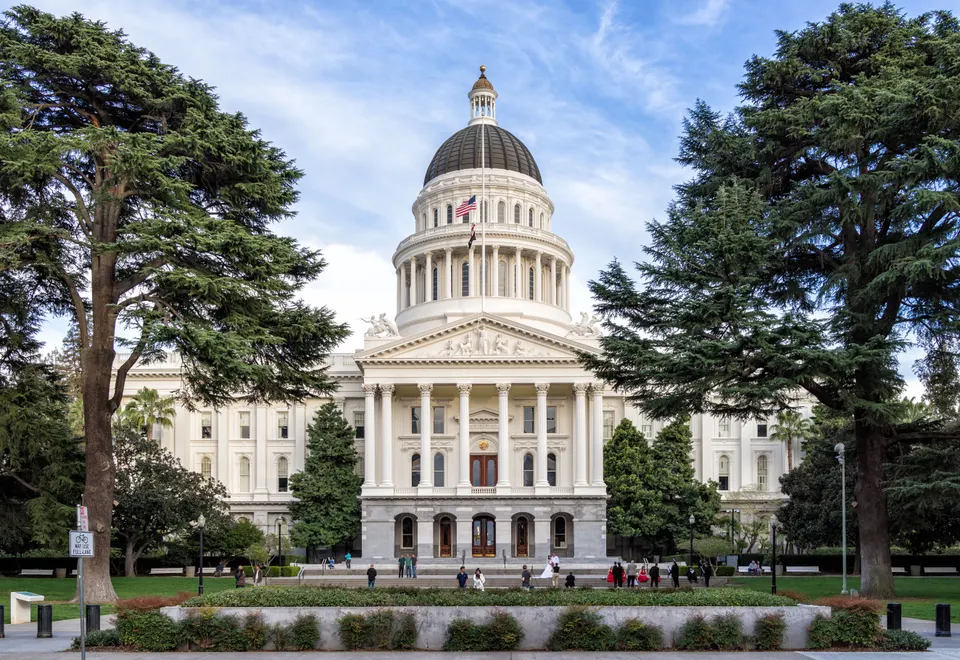
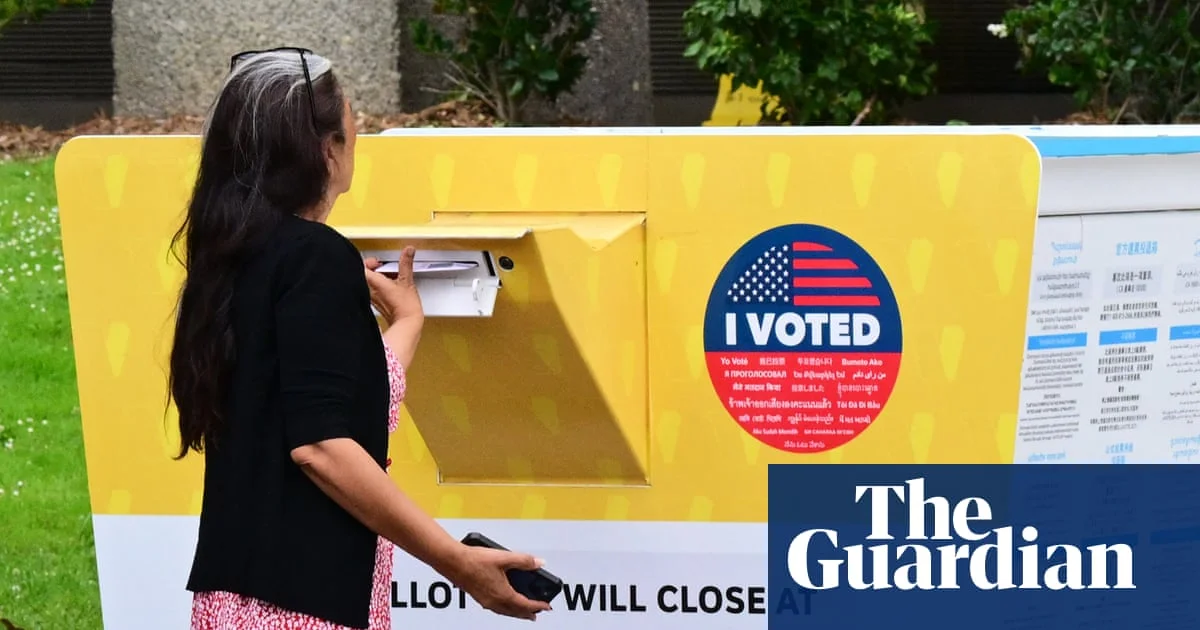
The most significant global story overnight comes from the United States, where the California primary results have left the race for the governorship in a state of high-stakes uncertainty. Early results show a crowded field with Republican Steve Hilton and Democrats Xavier Becerra and Tom Steyer neck-and-neck. The race is currently 'too close to call,' a phrase that signals deep political polarization in the most populous US state. While some candidates like Antonio Villaraigosa have already conceded, the lack of a clear frontrunner in such a pivotal state suggests that the 2026 midterm elections will be a brutal ideological battleground.
For Iran, this isn't just distant politics; it is a barometer for the future of US foreign policy. California often serves as a fundraising and policy incubator for the Democratic Party. A shift toward more centrist or even Republican leadership in key districts could signal a broader American appetite for 'maximum pressure' rhetoric as we approach the next presidential cycle. The uncertainty in these primary results often translates into market volatility, as investors hedge against potential shifts in US trade and sanction policies that could emerge from a reshaped Congress.
Diplomacy vs. Deterrence: The Gulf’s Dangerous Double-Game
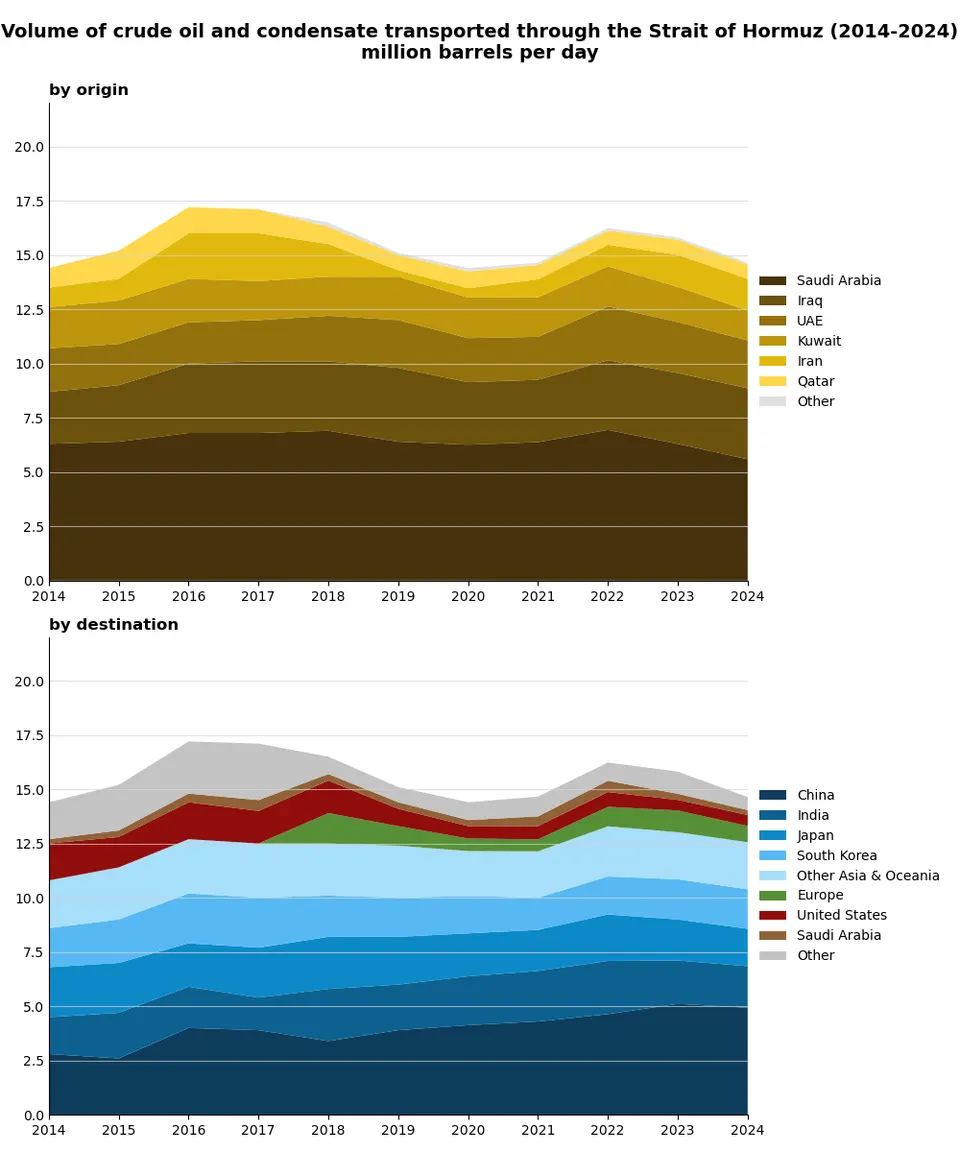
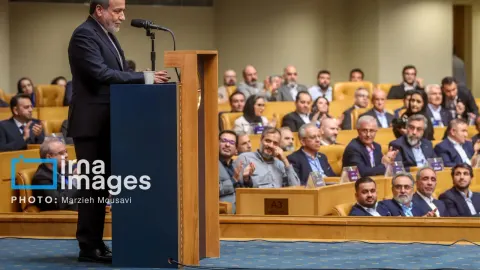
In a striking display of regional complexity, the last 12 hours have seen a dual-track of escalation and diplomacy. On one hand, Iranian Foreign Minister Abbas Araghchi held a critical phone call with his Saudi counterpart, Faisal bin Farhan, focused on de-escalation and regional stability. This diplomatic channel remains the thin thread preventing a wider regional conflict. However, this conversation occurred against a backdrop of military action; the US military reported shooting down attempted strikes aimed at Bahrain and Kuwait, which they attributed to Iranian influence. In response, the US launched 'self-defense' strikes, further tightening the knot of tension in the world’s most vital energy corridor.
This 'tit-for-tat' cycle has immediate economic consequences. Brent crude oil prices have climbed above $97 per barrel as markets price in the risk of supply disruptions. For the Iranian economy, this is a double-edged sword: while higher oil prices theoretically increase potential revenue, the increased military presence and the threat of further sanctions or 'self-defense' actions by the US Navy make the physical shipping of crude more hazardous and expensive. The market's reaction—a 0.5% rise in the USD/IRR rate—shows that the local street is currently more worried about the risk of escalation than they are optimistic about diplomatic phone calls.
Global Markets: The AI Record vs. The Crypto Dip

While the Middle East grapples with security concerns, global equity markets are living in a parallel reality. The MSCI All Country World Index recently set a fresh all-time high, driven almost entirely by the insatiable appetite for AI-related stocks. However, analysts are beginning to warn of a 'breadth paradox.' Even as the S&P 500 records its ninth straight day of gains, fewer individual stocks are participating in the rally, suggesting that the market’s foundation may be narrower and more fragile than the headlines suggest. This overcrowding in AI trades has erased the traditional 'edge' for many retail investors, leaving them vulnerable to a sudden correction.
This fragility is perhaps most visible in the cryptocurrency market. Despite the record-breaking performance of traditional stocks, Bitcoin and Ethereum have struggled to maintain their footing. The 6.4% plunge in BTC prices overnight serves as a reminder that crypto remains the primary 'canary in the coal mine' for global liquidity. For Iranian investors using crypto as a hedge against Rial inflation, this divergence is critical: if the AI bubble in the US bursts, the resulting rush for liquidity could drag Bitcoin even lower, potentially neutralizing its benefits as a safe haven in the short term.
Frequently Asked Questions
Why is the California primary result important for the Iranian Rial?
How did the Iran-Saudi phone call affect the markets?
Why is Bitcoin falling while the S&P 500 hits record highs?
Geopolitical Risk and Currency Valuation
Geopolitical risk refers to the potential for political events, conflicts, or instability between nations to disrupt global affairs and financial markets. When tensions escalate, as suggested by "Gulf Escalation" in the headline, these risks can significantly impact a country's economic stability and, consequently, the value of its currency. For a currency like the Iranian Rial (IRR), deeply intertwined with regional dynamics and international relations, such escalations often translate into immediate volatility.
The mechanism is multifaceted. Heightened geopolitical risk typically erodes investor confidence, leading to capital flight as both domestic and international investors seek safer havens for their assets. This outflow of capital reduces demand for the local currency and increases demand for foreign currencies, putting downward pressure on the exchange rate. Furthermore, the threat of conflict or disruptions to vital trade routes, particularly in energy-rich regions like the Persian Gulf, can directly impact a nation's economic output and its ability to conduct international trade, further weakening its currency.
In the context of the Iranian Rial, "Persian Gulf tensions" and "Iran Saudi diplomacy" are critical factors. The Gulf is a major artery for global oil shipments, and any instability there directly affects oil prices (like Brent crude) and the economic outlook for regional players, including Iran, a significant oil producer. Uncertainty surrounding potential sanctions, trade restrictions, or military action can cause rapid depreciation of the Rial against major currencies like the US Dollar (USD/IRR), making imports more expensive and fueling domestic inflation.
Understanding this dynamic is crucial for interpreting market movements. A country's currency is often seen as a barometer of its overall economic health and political stability. Therefore, monitoring geopolitical developments, especially in volatile regions, provides valuable insight into potential currency fluctuations and their broader economic consequences for citizens and businesses alike.
Topics
Related Articles