Military Vows and Market Surges: Iran Defends Gulf Sovereignty as Goldman Sachs Eyes 40% Global Rally
هشدار نیروهای مسلح به مداخلهگران در خلیج فارس؛ پیشبینی گلدمن ساکس از جهش ۴۰ درصدی بازارهای جهانی
Iran's Armed Forces have issued a resolute warning against U.S. maritime interference as regional tensions simmer. Meanwhile, Goldman Sachs predicts a massive 40% upside for Asian tech markets, contrasting with a volatile crypto sector that saw $1.8 billion in liquidations.
At time of publishing
USD
174,100
Toman
Gold 18K
18.82M
Toman / gram
Bitcoin
$67,254
US Dollar
Tether
172,500
Toman
Tehran Issues Resolute Warning Amid Gulf Escalations
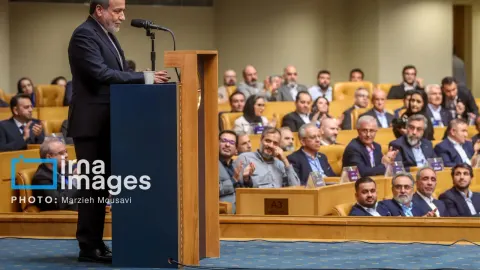
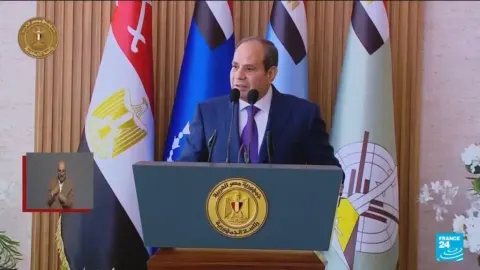
The General Staff of the Iranian Armed Forces and the Khatam al-Anbiya Central Headquarters have issued a stern declaration, reaffirming their commitment to the ideals of the Islamic Revolution and the territorial integrity of the nation. This comes following reported "aggressive acts" by the United States against an Iranian oil tanker in the Strait of Hormuz and a telecommunications facility on Qeshm Island. The military leadership emphasized that the U.S. and its regional allies have no choice but to surrender to the Iranian nation's determination, signaling a high state of alert across the Persian Gulf.
For the Iranian economy, this military stance serves as a double-edged sword. While it asserts sovereignty, the heightened geopolitical risk premium is already reflecting in the currency markets. The USD/IRR exchange rate edged up slightly from 173,900 to 174,100 (+0.1%) in the last 24 hours, showing that traders are closely monitoring the potential for a wider confrontation. This "resolute defense" narrative is intended to project stability, yet the underlying tension keeps local assets like the Emami coin on an upward trajectory, rising 0.3% to reach 183,500,000 Toman.
Goldman Sachs Predicts AI-Driven Stock Boom Will Continue
While regional tensions simmer, global financial giant Goldman Sachs has released a blockbuster report regarding the "hottest stock markets in the world." According to their analysts, the benchmark indices in South Korea and Taiwan, which have already doubled in value during 2026, are poised for another 40% gain. The primary driver is the relentless demand for AI chips and the belief that the current semiconductor cycle has far more longevity than previously estimated. This optimism stands in stark contrast to the cautious sentiment seen in traditional safe havens like gold.
This global shift suggests that capital is moving rapidly into high-growth technology sectors, often at the expense of commodities. In the local Iranian market, 18k gold dropped slightly by 0.3% to 18,821,044 Toman per gram, mirroring a global trend where rising oil prices and inflation concerns are actually tempering the demand for gold as a safe haven. For investors, the message is clear: the AI revolution is not just a western phenomenon but a structural shift that is enriching East Asian markets, potentially reshaping global trade flows for the remainder of the year.
Geopolitical Friction from Iraq to the US Campaign Trail
The regional security landscape remains fragile following the death of a British soldier, Lance Corporal Stewart Freeman, during a joint training exercise with U.S. forces in Erbil, Iraq. While the incident occurred during training, it underscores the heavy Western military footprint remaining in the region at a time of peak tension. Simultaneously, the U.S. political arena is heating up with the California primary results still unresolved. Donald Trump’s recent comments regarding his willingness to meet with Iranian leadership, while simultaneously criticizing regional allies, have added a layer of unpredictability to future diplomatic channels.
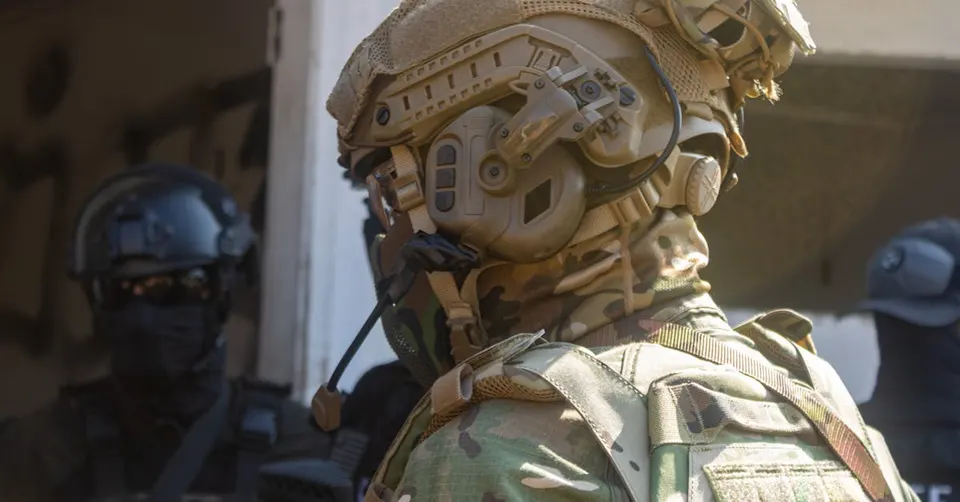
These developments suggest that the "status quo" in the Middle East is being challenged from multiple directions. For Iranian readers, the intersection of U.S. election cycles and regional military incidents usually translates to volatility in the unofficial exchange rates. As candidates like Marco Rubio and JD Vance gain prominence in the U.S. political discourse, their hardline stances on Iran's negotiating positions—often described in colorful terms by Trump—suggest that the path to sanctions relief or diplomatic de-escalation remains fraught with obstacles.
Crypto Liquidations and the $60,000 Support Test
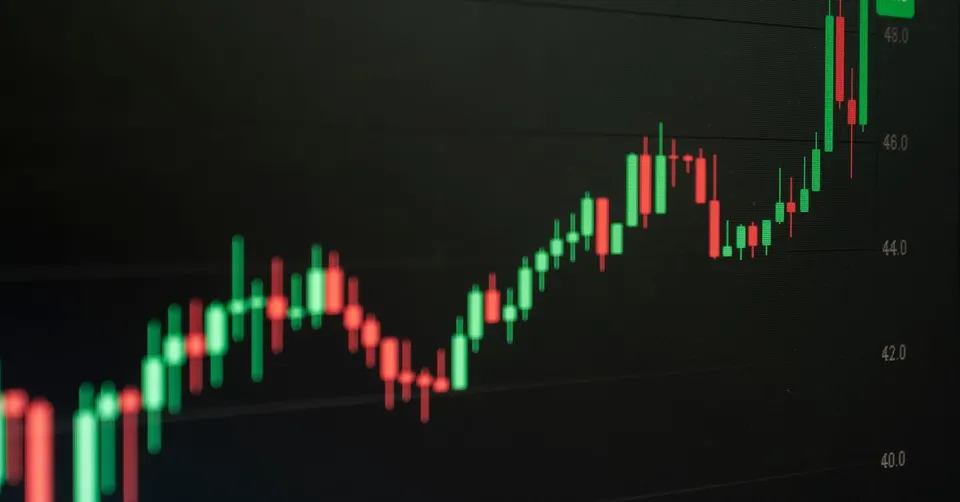
The cryptocurrency market has faced a brutal 24 hours, with Bitcoin's sudden slide to the $65,000 mark triggering over $1.8 billion in liquidations. Although the price has since steadied around $67,254, the 9.5% weekly decline has left many traders on edge. Analysts are now looking at the $60,000 level as the next critical support zone. This volatility is a sharp reminder of the risks inherent in leveraged trading, especially as AI-themed tokens continue to rally and decouple from the broader market's struggles.
For the local market in Iran, the Tether (USDT) price remains a vital indicator, currently sitting at 172,500 Toman. Despite the global drop in Bitcoin, the demand for stablecoins remains high as a hedge against local currency fluctuations. The rise of autonomous AI-powered drones in modern warfare discussions also highlights how technology and finance are merging into a single, complex ecosystem. Traders should remain cautious, as the "fear gauge" in the crypto space is currently flashing red, suggesting that the bottom may not yet be in for this cycle.
Frequently Asked Questions
Why did gold prices in Iran drop despite rising regional tensions?
What caused the $1.8 billion liquidation in the crypto market?
How is the US election influencing the Iranian Rial?
Understanding Geopolitical Risk in Global Markets
Geopolitical risk refers to the potential for political instability, conflicts, and international relations to significantly impact economic activity and financial markets. It encompasses a broad range of events, from wars and civil unrest to trade disputes and diplomatic tensions, all of which can introduce uncertainty and volatility into the global economy. While market analysts like Goldman Sachs might project substantial rallies based on fundamental economic indicators or technological advancements like AI chips, these forecasts often operate under assumptions of relative geopolitical stability. However, when those assumptions are challenged, geopolitical events can quickly overshadow positive market sentiment.
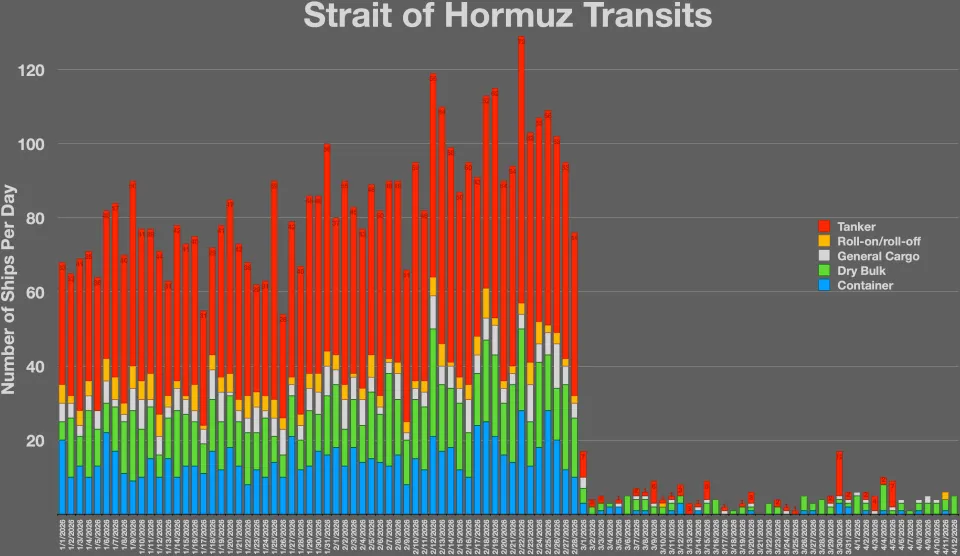
A prime example of a critical geopolitical flashpoint is the Strait of Hormuz, a narrow waterway connecting the Persian Gulf to the open ocean. This strait is one of the world's most strategically important chokepoints for global oil transit, with a substantial portion of the world's seaborne oil passing through it daily. Any military tension or disruption in this region, such as the "Iran military warning" mentioned in the headline, has immediate and far-reaching implications for global energy markets. Such events can trigger sharp spikes in oil prices, disrupt supply chains, and increase shipping insurance costs, directly affecting inflation, corporate profits, and consumer spending worldwide.
The interplay between geopolitical risk and market performance is complex. Even in an era of globalized trade and interconnected financial systems, localized conflicts or threats can have ripple effects across continents. Investors react to perceived risks by reallocating capital, often moving towards safer assets or demanding higher risk premiums for investments in volatile regions. This heightened caution can lead to market downturns or temper optimistic rallies, demonstrating that even the most robust economic forecasts must always account for the unpredictable nature of international politics and security. Understanding geopolitical risk is crucial for comprehending why markets can surge or falter, often irrespective of underlying economic strengths.
Topics
Related Articles