Trump Claims Secret Iran Channels as Toman Edges Higher; Delhi Tragedy Rattles Global Risk Sentiment
ادعای ترامپ درباره مذاکرات پشتپرده با ایران؛ نوسان دلار و سایه سنگین حوادث بینالمللی بر بازار
President Trump has sparked a diplomatic firestorm by claiming direct involvement of Iran’s leadership in negotiations, while the Toman saw a slight 0.3% depreciation. Simultaneously, a deadly hotel fire in New Delhi and intensifying drone strikes in Russia have pushed global markets into a cautious stance.
At time of publishing
USD
174,400
Toman
Gold 18K
18.81M
Toman / gram
Bitcoin
$67,005
US Dollar
Tether
172,022
Toman
Trump’s Negotiation Claims and the Toman’s Response
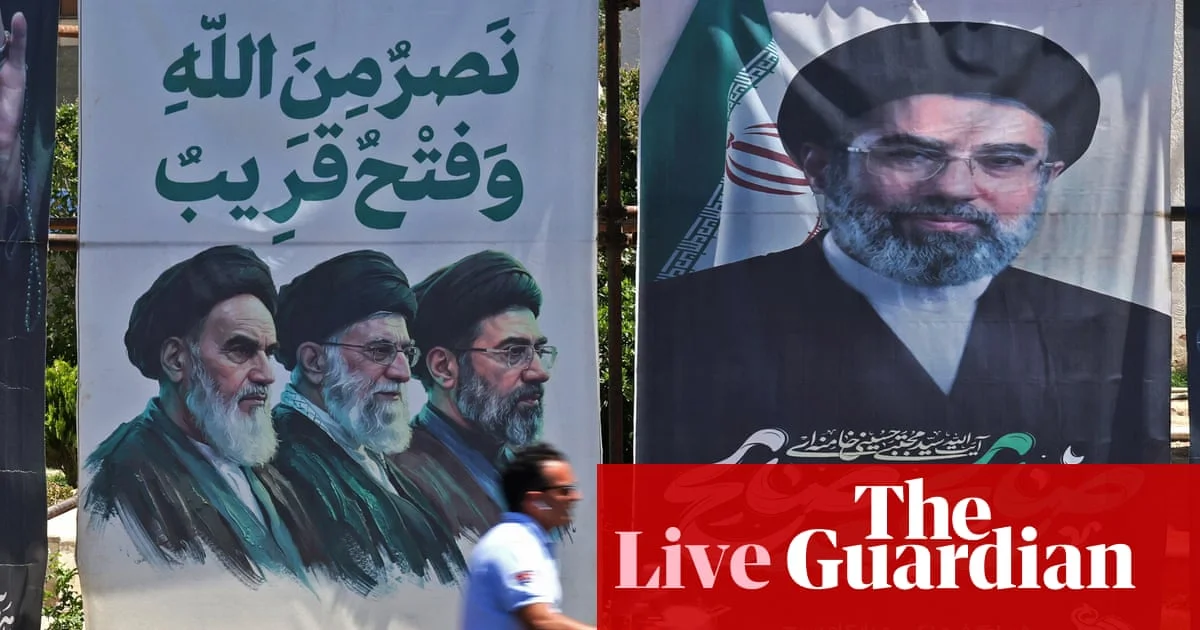
In a series of explosive comments made during a podcast appearance, Donald Trump has claimed that the Iranian leadership is directly involved in ongoing, albeit unofficial, negotiations with the United States. Specifically mentioning Mojtaba Khamenei, Trump suggested that the diplomatic backchannels are more active than the public realizes, even as he simultaneously criticized the current state of Middle Eastern stability. These remarks have immediate consequences for the Iranian currency market, which remains hyper-sensitive to any signals regarding a potential 'Grand Bargain' or further escalation. The market reacted with a measured but clear shift, as the USD/IRR rate moved from 173,900 to 174,400, marking a 0.3% increase in the value of the dollar against the Toman.

This volatility is not just a reaction to political rhetoric but a reflection of the deep-seated uncertainty regarding Iran’s economic future. While Trump hints at a deal, the reality on the ground in Tehran remains one of cautious resistance. The slight rise in the dollar’s price was mirrored by the Emami coin, which rose from 183,000,000 to 183,500,000 Toman (+0.3%). For Iranian investors, the mention of specific figures in the leadership signifies a shift in the American approach, moving away from generic sanctions talk toward a more targeted, and perhaps more volatile, form of personal diplomacy that could either lead to a breakthrough or a significant breakdown in the coming months.
Tehran Signals Resistance Amid Regional Diplomacy
Responding to the increasing pressure and the flurry of rumors from Washington, Mohsen Rezaei, a senior member of the Expediency Council and former IRGC commander, has publicly stated that Iran will not succumb to "excessive demands" in any ceasefire or nuclear negotiations. This stance serves as a domestic and international signal that despite the economic pressures reflected in the currency markets, the Iranian establishment is not ready to accept a deal at any cost. This rhetoric of resistance is a strategic counterweight to the optimistic or aggressive claims coming from the Trump administration, aimed at maintaining a position of strength as the geopolitical landscape shifts.
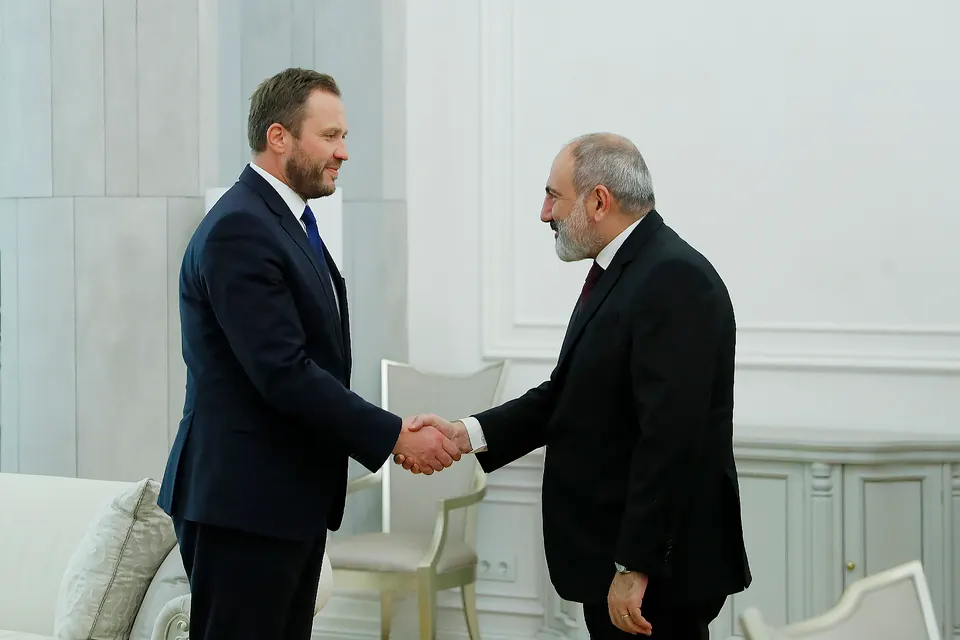
While the rhetoric toward the West remains stern, Iran is simultaneously working to solidify its regional partnerships. Foreign Minister Abbas Araghchi recently emphasized the "historic and friendly" ties with Azerbaijan, highlighting a pivot toward neighborhood diplomacy to mitigate the impact of Western isolation. By strengthening relations with Baku and other regional neighbors, Tehran hopes to create economic corridors that are less vulnerable to US-led sanctions. This dual-track strategy—resisting the US while embracing the East and the immediate neighborhood—is the primary driver behind the current market equilibrium, where the Toman experiences minor fluctuations rather than catastrophic drops.
Global Tragedies and Energy Market Volatility
Beyond the Middle East, a series of tragic events and military escalations are reshaping global risk appetite. In New Delhi, a devastating fire at a hotel has claimed at least 21 lives, marking one of the deadliest incidents in the Indian capital in years. Such events, while localized, contribute to a sense of global instability that often leads investors to retreat into safe-haven assets. This is particularly relevant as the OECD issues warnings about slowing global growth and persistent inflation, suggesting that the economic recovery many hoped for in 2026 remains fragile and susceptible to sudden shocks.

On the military front, the conflict in Eastern Europe continues to bleed into global markets, with Ukrainian drones striking oil storage facilities near St. Petersburg just as a major Russian economic forum was set to begin. These strikes have sent WTI crude prices climbing for a third straight day, as the threat to energy infrastructure becomes more acute. For Iran, rising oil prices are a double-edged sword; while they increase the value of energy exports, they also heighten global inflationary pressures that can lead to more aggressive US monetary policy, indirectly affecting the Toman's exchange rate. As of this hour, gold 18k/gram has seen a slight dip of 0.3%, falling to 18,811,348 Toman, reflecting a complex interplay between local currency devaluation and global commodity shifts.
Frequently Asked Questions
Why did Trump mention Mojtaba Khamenei in his latest interview?
How did the Iranian currency market react to the negotiation rumors?
What is the significance of the drone strikes in St. Petersburg for the oil market?
Is the gold price in Iran following the global trend today?
Geopolitical Whispers and the Toman: How Expectations Sway Sanctioned Currencies
The Iranian Rial, often referred to by its informal unit, the Toman, operates under unique economic pressures, primarily due to extensive international sanctions. Unlike currencies freely traded on global markets, the Toman's value is profoundly sensitive to geopolitical developments, diplomatic rhetoric, and even unconfirmed rumors. This sensitivity means that political signals, whether hinting at potential negotiations or escalating tensions, can trigger significant shifts in its exchange rate, often in the parallel market where most transactions occur.
When news emerges, such as "Trump Claims Secret Iran Channels," it introduces a powerful element of expectation into the market. Even without concrete policy changes, the mere possibility of future dialogue, de-escalation, or a shift in sanctions policy can dramatically alter market sentiment. Traders and ordinary citizens in Iran, anticipating potential changes that could affect the availability of foreign currency or ease economic pressures, adjust their behavior. A glimmer of hope for sanctions relief might reduce the urgent demand for foreign currencies like the U.S. dollar as a hedge against uncertainty, thereby strengthening the Toman.
This heightened responsiveness is a direct consequence of the sanctions regime. By restricting official financial channels and limiting Iran's access to global banking systems, sanctions push a significant portion of foreign exchange activity into unofficial, parallel markets. In these environments, where information is often scarce and official data unreliable, rumors, political statements, and collective sentiment gain outsized influence. The Toman becomes a barometer not just of economic fundamentals, but also of the prevailing political mood and the perceived likelihood of future geopolitical shifts.
Therefore, understanding the Toman's movements requires looking beyond traditional economic indicators. It necessitates a keen awareness of the geopolitical landscape, the nuances of international diplomacy, and the powerful role that expectations play in shaping the value of a currency isolated by global sanctions.
Topics
Related Articles