Gulf Crisis Deepens: Kuwait Airport Struck as Iraq Bypasses Hormuz via Turkey
بحران در خلیج فارس: حمله به فرودگاه کویت و تلاش عراق برای دور زدن تنگه هرمز
Regional tensions have reached a fever pitch following a deadly strike on Kuwait's international airport, while Iraq initiates a massive logistical pivot to export oil through Turkey as the Strait of Hormuz remains paralyzed.
At time of publishing
USD
174,400
Toman
Gold 18K
18.79M
Toman / gram
Bitcoin
$66,827
US Dollar
Tether
172,379
Toman
Deadly Escalation: Kuwait Airport Under Fire
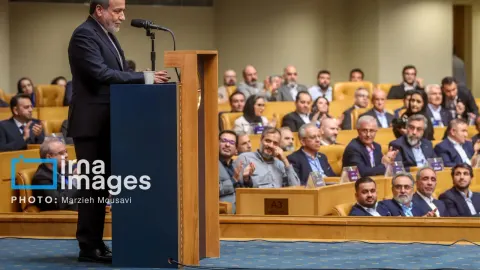
The security situation in the Persian Gulf has deteriorated sharply following a direct missile and drone strike on Kuwait International Airport. Local authorities have confirmed at least one fatality and dozens of injuries after a terminal sustained significant damage. This incident marks a dangerous expansion of the ongoing friction between Washington and Tehran, as the strike targeted a key civilian infrastructure hub belonging to a primary U.S. ally in the region. The attack has effectively frozen any immediate hopes for a renewed ceasefire, as both sides continue to trade accusations and kinetic strikes across the maritime corridor.
For the average observer in Iran, this escalation is already reflecting in the currency markets. The USD/IRR exchange rate moved from 173,900 to 174,400 (+0.3%) in the last 24 hours, signaling a growing risk premium. While the market remains somewhat liquid, the psychological impact of strikes on neighboring civilian airports suggests that traders are bracing for a prolonged period of volatility. The shift from maritime skirmishes to mainland infrastructure attacks indicates that the 'shadow war' has moved into a much more overt and destructive phase.

Iraq’s Strategic Pivot: Bypassing the Hormuz Blockade
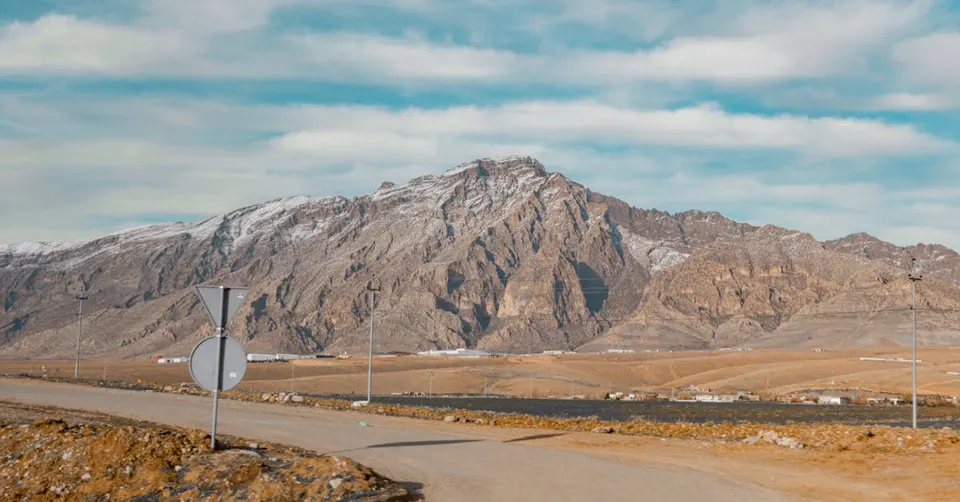
With the Strait of Hormuz remaining largely impassable or prohibitively dangerous for large tankers, Iraq has announced an ambitious plan to triple its crude oil exports through the Kurdistan-Turkey pipeline. As OPEC’s second-largest producer, Iraq’s economy is uniquely vulnerable to maritime disruptions in the Gulf. By redirecting flows toward the Turkish port of Ceyhan on the Mediterranean, Baghdad is attempting to decouple its economic survival from the immediate military theater of the Persian Gulf. This move is expected to take full effect within three months, providing a critical lifeline for a state that relies almost exclusively on oil revenue.
This shift carries significant geopolitical weight. It demonstrates a growing trend among regional powers to seek land-based alternatives to the vulnerable maritime chokepoints that Iran has historically influenced. However, the reliance on the Turkish route also grants Ankara significant leverage over Baghdad’s fiscal health. For regional markets, this pivot suggests that even if the military conflict settles into a stalemate, the traditional routes of global energy trade are being permanently reconfigured, potentially diminishing the long-term strategic importance of the Strait of Hormuz.
Political Scandals and Media Bias: From London to Los Angeles
In the United Kingdom, the trial of Sir Jeffrey Donaldson, the former leader of the Democratic Unionist Party (DUP), has taken a sensitive turn. An alleged victim testified that she regretted not reporting abuse claims earlier, a case that has sent shockwaves through the British political establishment. Donaldson faces 18 sex abuse charges, including rape, all of which he denies. The trial is not just a legal matter but a significant political distraction for the UK government at a time when it is attempting to coordinate a unified Western response to the escalating crisis in the Middle East.
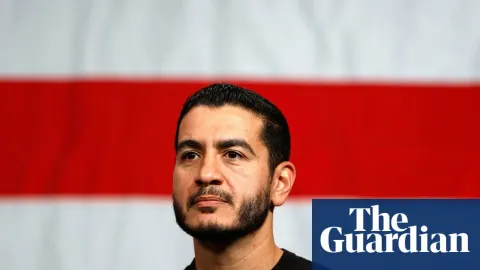
Meanwhile, across the Atlantic, the American media landscape is facing its own internal crisis. Veteran journalist Scott Pelley, recently fired from CBS’s '60 Minutes', has publicly accused the network’s management of demanding the injection of 'falsehoods and bias' into news reporting. This controversy coincides with a bizarre political shift in Los Angeles, where reality TV star Spencer Pratt is currently in a tight race for the mayoralty. These developments highlight a growing fragmentation in Western domestic stability, which often limits the ability of these nations to project consistent foreign policy in volatile regions like the Middle East.

Market Reaction: Gold Dips as Rial Feels the Pressure
Despite the rising geopolitical heat, gold prices have shown a surprising intraday retreat. In the Iranian market, Gold 18k per gram moved from 18,870,446 to 18,792,649 (-0.4%). This minor correction likely stems from local profit-taking after recent highs, rather than a lack of fear. Conversely, the Emami coin rose from 183,000,000 to 183,500,000 (+0.3%), tracking the slight uptick in the US Dollar. The divergence between paper gold and physical coin prices suggests that investors are prioritizing liquidity and portable assets as the threat of regional conflict looms larger.
Bitcoin and the broader crypto market remain in a state of consolidation. BTC is currently trading at $66,827, but analysts at Citi warn that a lack of fresh institutional buyers is a greater concern than recent sell-offs by major holders. For Iranian investors using USDT as a hedge, the stablecoin is currently priced at 172,379 Toman. The relative stability of crypto compared to the sharp moves in regional fiat currencies suggests that digital assets are increasingly being viewed as a 'neutral' zone, though they remain sensitive to global liquidity shifts and U.S. regulatory updates.
Frequently Asked Questions
How did the Kuwait airport attack affect the Iranian Rial?
Why is Iraq increasing oil exports through Turkey instead of the Gulf?
What are the claims made by Scott Pelley regarding CBS News?
Why did gold prices drop slightly despite the regional conflict?
The Strait of Hormuz: A Global Oil Chokepoint and its Geopolitical Significance
The Strait of Hormuz is one of the world's most critical maritime chokepoints, a narrow sea lane connecting the Persian Gulf to the Arabian Sea and the broader Indian Ocean. For decades, this strategic waterway has been indispensable for global energy markets, as an estimated one-fifth of the world's total petroleum liquids consumption, and a significant portion of its liquefied natural gas (LNG), passes through it daily. Its geographical position makes it a vital artery for oil-producing nations in the Middle East to export their hydrocarbons to international markets, particularly to energy-hungry economies in Asia and Europe.
The term "chokepoint" refers to a narrow channel or passage that is strategically important for global trade and military operations. These points are inherently vulnerable to disruption, whether from geopolitical conflicts, piracy, or natural disasters. A blockade or significant disruption in the Strait of Hormuz would have immediate and severe repercussions on global oil prices, potentially triggering a sharp increase due to supply fears. This volatility could destabilize economies worldwide, highlighting the delicate balance between energy supply and demand, and the outsized influence of a single geographical feature on global stability.
The recent headline, mentioning Iraq's efforts to bypass Hormuz via Turkey, underscores the strategic imperative for nations to diversify their energy export routes. Such alternative pipelines or shipping lanes aim to reduce reliance on vulnerable chokepoints, enhancing energy security and providing resilience against potential disruptions. While building and maintaining these alternative routes is costly and complex, the geopolitical tensions and the economic risks associated with relying solely on passages like the Strait of Hormuz often justify the investment, offering a crucial safeguard against supply shocks and regional conflicts.
Understanding the Strait of Hormuz as a chokepoint is fundamental to grasping the intricate relationship between geopolitics, energy markets, and international security. It explains why events in the Middle East, even seemingly localized conflicts, can send ripples across the globe, affecting everything from gasoline prices at the pump to the stability of national economies. The ongoing efforts by various nations to secure alternative routes or exert influence over such chokepoints are direct reflections of their profound strategic importance in the modern world.
Topics
Related Articles