Gulf Crisis Deepens: Kuwait Airport Struck by Drones as USD Edges Higher Amid Regional Jitters
بحران در خلیج فارس: حمله پهپادی به فرودگاه کویت و صعود دلار در سایه تنشهای منطقهای
A lethal drone barrage at Kuwait International Airport has shattered regional stability, leaving one dead and dozens injured. As Tehran and Washington trade blame, the Iranian Toman faces upward pressure while global markets brace for a potential escalation in the Strait of Hormuz.
At time of publishing
USD
174,500
Toman
Gold 18K
18.81M
Toman / gram
Bitcoin
$66,640
US Dollar
Tether
172,397
Toman
Lethal Drone Strikes at Kuwait Airport Shatter Regional Calm
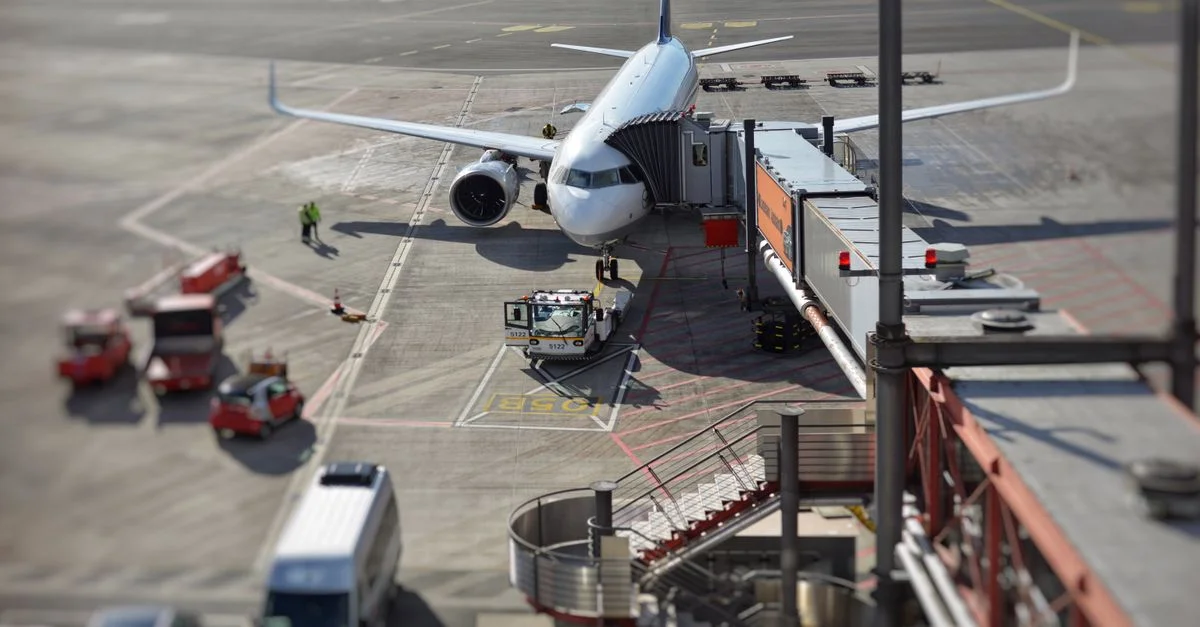
In a dramatic escalation of regional hostilities, Kuwait International Airport was targeted by a major drone barrage early Wednesday, resulting in at least one fatality and over 60 injuries. Verified video footage shows thick smoke and fires within the terminal buildings, forcing a temporary shutdown of one of the Gulf’s most critical aviation hubs. This assault represents the most significant breach of the fragile U.S.-Iran ceasefire established in April, signaling a dangerous shift in the shadow war that has plagued the Middle East. Iran has characterized the strike as a retaliatory measure, citing recent U.S. actions against an Iranian oil tanker and military installations on a Gulf island, effectively raising the stakes for international diplomacy.
The implications of this attack extend far beyond the immediate casualties. By striking a civilian aviation target in a neutral country like Kuwait, the perpetrators have sent a clear message regarding the vulnerability of regional infrastructure. This move threatens to derail ongoing backchannel negotiations between Washington and Tehran, which President Trump recently claimed were progressing despite the "impasse" reported by analysts. For the global community, the risk of a full-scale blockade or further strikes in the Strait of Hormuz is no longer a theoretical concern but a looming reality that could disrupt energy supplies and global trade routes during an already volatile economic period.

Markets React: USD Rises as Investors Seek Safety
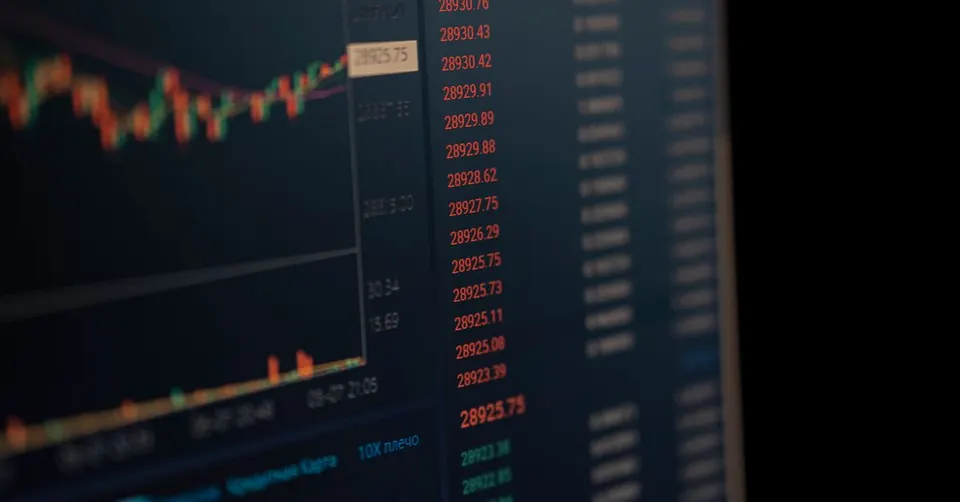
The geopolitical shockwaves from the Kuwait attack immediately rippled through the financial markets. In Tehran, the USD/IRR exchange rate moved from 173,900 to 174,500, marking a 0.3% increase within the last 24 hours. This uptick reflects a classic "flight to safety" as domestic investors move away from the Rial in anticipation of further regional instability or potential new sanctions. Similarly, the Emami gold coin saw a 0.3% rise, climbing from 183,000,000 to 183,500,000 Toman, further confirming the high-risk sentiment dominating the local market. Interestingly, 18k gold per gram saw a slight dip of 0.3%, moving from 18,870,446 to 18,805,808 Toman, likely due to a brief correction in global gold prices before the full weight of the news was priced in.
On the global stage, the Dow Jones Industrial Average sank as "Trump-Iran jitters" took hold of Wall Street. Investors are increasingly concerned that a prolonged conflict in the Gulf will lead to a spike in oil prices, fueling inflation and complicating the Federal Reserve's path toward interest rate cuts. Bitcoin also felt the pressure, dipping to the $66,640 level as institutional traders liquidated riskier assets to cover potential losses in equity markets. For the average Iranian reader, this volatility suggests that the cost of imported goods and the general inflation rate may remain elevated, as the currency's value remains tethered to the unpredictable nature of regional military developments.
Sanctions Evasion and Political Shifting: The A7A5 Stablecoin and DC Reshuffle
While the Gulf burns, the world of digital finance is proving its resilience against traditional economic warfare. A recent report by CertiK highlights the explosive growth of the A7A5 stablecoin, a Russian ruble-backed digital asset that has processed over $110 billion in transactions despite heavy Western sanctions. This development underscores a growing trend where sanctioned nations leverage blockchain technology to maintain international trade liquidity, bypassing the SWIFT system entirely. For Iran, which faces similar economic constraints, the success of the A7A5 serves as a blueprint for how decentralized finance (DeFi) can be used to mitigate the impact of isolation from the global banking core.
Meanwhile, in Washington, President Trump’s latest appointment of Bill Pulte as the acting director of national intelligence has thrown the future of U.S. surveillance programs into chaos. Pulte, a loyalist with no formal intelligence background, is expected to challenge the renewal of Section 702 of the Foreign Intelligence Surveillance Act (FISA). This internal political friction could weaken the U.S. intelligence community's ability to monitor regional threats effectively, potentially creating a vacuum that state and non-state actors in the Middle East might exploit. As the U.S. focuses on its internal political reshuffling ahead of the midterms, the lack of a cohesive foreign policy strategy may further embolden regional actors to test the limits of international law.
Watch
Missiles Hit Kuwait Airport; California Primary Results. What You Need to Know - June 3, 2026
ABC News
Frequently Asked Questions
How did the Kuwait airport attack affect the Iranian Rial?
What is the significance of the A7A5 stablecoin mentioned in the news?
Why is the appointment of Bill Pulte impacting US intelligence?
Understanding Stablecoin Sanctions and Their Global Impact
Stablecoins are a class of cryptocurrencies designed to hold a stable value by being pegged to a fiat currency, a basket of assets, or an algorithmic mechanism. Unlike Bitcoin or Ethereum, which can swing wildly in price, stablecoins such as USDT, USDC, and the newer A7A5 aim to provide the speed and programmability of crypto while preserving the predictability of traditional money. This stability makes them attractive for cross‑border payments, remittances, and as a hedge against volatile local currencies, especially in economies under heavy sanctions.
When a stablecoin is linked to a sanctioned jurisdiction or is used to evade sanctions, governments can target it directly. The U.S. Treasury’s Office of Foreign Assets Control (OFAC) has the authority to designate crypto wallets, issuers, or related service providers as specially designated nationals (SDNs). Once designated, U.S. persons and entities are prohibited from dealing with them, and the assets are effectively frozen. In 2024, OFAC sanctioned several crypto firms that were facilitating transactions for Iranian entities, including platforms that issued stablecoins used to bypass traditional banking restrictions.
The ramifications of stablecoin sanctions ripple through global finance. Because stablecoins often serve as a bridge between fiat and crypto markets, restricting their flow can disrupt liquidity, increase transaction costs, and push users toward less regulated or illicit alternatives. For countries like Iran, where the official exchange rate of the rial is tightly controlled, stablecoins have become a lifeline for importing goods and preserving wealth. Sanctioning these digital tokens therefore adds another layer of pressure on already strained economies and can exacerbate regional tensions, as seen in the heightened market jitters surrounding the Gulf crisis.
Investors and policymakers must grapple with a delicate balance: curbing illicit finance without stifling legitimate innovation. International coordination, clear regulatory frameworks, and transparent compliance mechanisms are essential to ensure that stablecoins can fulfill their promise of efficient, low‑cost payments while preventing abuse. As the global financial system becomes increasingly digital, understanding how sanctions intersect with crypto assets is crucial for anyone watching the evolving landscape of geopolitics and markets.
Topics
Related Articles