Rubio Warns on Iran Response as Toman Hits 174,650; US Ignites New Global Tariff War
هشدار روبیو درباره پاسخ ایران همزمان با صعود دلار به ۱۷۴,۶۵۰ تومان؛ آغاز جنگ تعرفهای جدید آمریکا
US Senator Marco Rubio tells Congress the administration anticipated Iran's retaliation, signaling a shift toward managed conflict. Meanwhile, the Iranian Toman edges higher to 174,650 as a hiring freeze grips the domestic private sector despite resilient economic growth.
At time of publishing
USD
174,650
Toman
Gold 18K
18.79M
Toman / gram
Bitcoin
$66,490
US Dollar
Tether
171,802
Toman
Rubio Testifies on Iran Response: A Calculated Escalation?
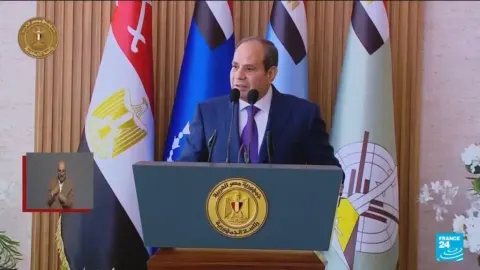
In a high-stakes House committee hearing, Senator Marco Rubio has dropped a political bombshell, asserting that the US administration was fully aware of how Iran would react to recent military and political pressures. Rubio’s testimony suggests that the current cycle of escalation in the Middle East was not a series of miscalculations, but rather a sequence of events the White House had already gamed out. This "eyes wide open" approach by Washington indicates a shift from attempting to avoid friction to managing an active conflict, a move that has sent ripples through both diplomatic circles and global energy markets.
For the average observer in Tehran or the diaspora, this rhetoric signals a hardening of the US stance. Rubio, acting as a key voice in foreign policy, emphasized that the consequences of Iran achieving its strategic nuclear or regional goals would be far "worse" than the current volatility. This suggests that the US is prepared for a prolonged period of tension, prioritizing long-term containment over immediate de-escalation. As the November midterms approach in the US, Iran has once again become a central pillar of the American political debate, ensuring that sanctions and regional pressure will remain at the forefront of the agenda.
The Toman's Tightrope: Growth vs. The Inflationary Freeze
Despite the shadow of regional conflict, Iran's domestic economy presents a puzzling paradox. Recent data suggests that while the broader economy has not ground to a halt, the "war economy" is beginning to take a severe toll on the private sector. The most pressing issue is a widespread hiring freeze across major industries. As inflation continues to bite, companies are finding it impossible to project future costs, leading them to pause recruitment to protect their bottom lines. This creates a stagnant job market for the youth, even as industrial output remains superficially resilient.
In the currency markets, the pressure is palpable. The USD/IRR exchange rate moved from 173,900 to 174,650, marking a 0.4% increase in just 24 hours. While the rise is incremental, it reflects a steady erosion of confidence as the cost of living outpaces wage growth. Interestingly, gold has seen a slight correction, with 18k gold dropping from 18,870,446 to 18,792,649 Toman per gram (-0.4%). This divergence between the dollar and gold suggests that while the rial is weakening, global gold movements or local profit-taking are providing a temporary cap on bullion prices, though the Emami coin still managed a 0.3% gain to reach 183.5 million Toman.

Trade War 2.0: US Tariffs and the Global Supply Chain Pivot
The global trade landscape is facing a new earthquake as the US announces a fresh wave of tariffs targeting dozens of countries, including traditional allies like the United Kingdom. Citing concerns over forced labor, the US administration is effectively rebuilding the trade barriers that the Supreme Court had previously struck down in February. This move isn't just about human rights; it’s a strategic pivot toward protectionism that threatens to reignite global inflation. By targeting a wide array of nations, Washington is signaling that the era of "free trade" is being replaced by "values-based trade," which often carries a much higher price tag for consumers.
For global markets, this is a recipe for volatility. Tariffs on this scale disrupt established supply chains, forcing companies to find more expensive alternatives almost overnight. For the Iranian market, which is already heavily sanctioned, these global trade shifts are a double-edged sword. On one hand, they create chaos in the Western economic order; on the other, they drive up the cost of imported goods globally, which eventually trickles down to the Iranian consumer through higher prices for electronics, machinery, and raw materials. As the US doubles down on these duties, the "Trump-style" economic policy appears to be the new permanent reality.
The Chinese-Japanese Alliance in Sunderland: A New Automotive Map
In a move that would have been unthinkable a decade ago, Japanese auto giant Nissan has entered a non-binding agreement to manufacture vehicles for the Chinese state-owned firm Chery at its Sunderland plant in the UK. This deal is a landmark moment in the automotive industry, as it represents a Western-aligned factory opening its doors to a Chinese competitor to safeguard local jobs. With the agreement set to take effect in 2027, it highlights the growing dominance of Chinese automotive technology and the pragmatic steps traditional manufacturers must take to survive in a rapidly changing market.
This partnership is a microcosm of the new global order. As the West attempts to "de-risk" from China through tariffs and sanctions, private corporations are finding ways to collaborate to maintain profitability. For the UK, this deal is a lifeline for its largest car plant, but for the broader geopolitical landscape, it shows that Chinese industrial reach is becoming integrated into the very heart of European manufacturing. This "if you can't beat them, join them" strategy suggests that despite political friction, the economic gravity of Chinese manufacturing remains an irresistible force that will continue to shape global trade for the foreseeable future.
Frequently Asked Questions
Why is the USD/IRR rising despite reports of economic growth in Iran?
What is the significance of Marco Rubio's comments on Iran?
How do the new US tariffs affect global and local prices?
Economic Sanctions: A Tool of Geopolitical Pressure
Economic sanctions are a powerful foreign policy tool used by countries or international organizations to influence the behavior of other nations. Far from being acts of war, they are typically non-military measures designed to impose costs on a target country's economy, thereby pressuring its government to change specific policies or actions, such as nuclear proliferation, human rights abuses, or support for terrorism. Sanctions can take many forms, including trade embargoes, restrictions on financial transactions, asset freezes on individuals or entities, and travel bans.
The mechanism by which sanctions exert pressure is multifaceted. By limiting a country's ability to trade goods and services internationally, they can disrupt supply chains, reduce export revenues, and make imports more expensive. Financial sanctions, in particular, can cut off access to global banking systems, making it difficult for the target country to conduct international transactions, borrow money, or attract foreign investment. This often leads to a shortage of foreign currency, which in turn causes the domestic currency to depreciate significantly, as seen with the Iranian Toman. The devaluation makes imported goods pricier, fueling inflation and eroding the purchasing power of citizens.
In the context of Iran, decades of international sanctions, particularly those related to its nuclear program, have profoundly impacted its economy. These measures have severely restricted Iran's oil exports, its access to international financial markets, and its ability to import essential goods. The result has been a persistent depreciation of the Toman against major currencies like the U.S. dollar, leading to high inflation, increased cost of living, and economic instability. Such conditions can trigger a hiring freeze in businesses and reduce overall economic activity, illustrating how geopolitical decisions can directly translate into tangible economic hardships for a nation's populace.
Topics
Related Articles