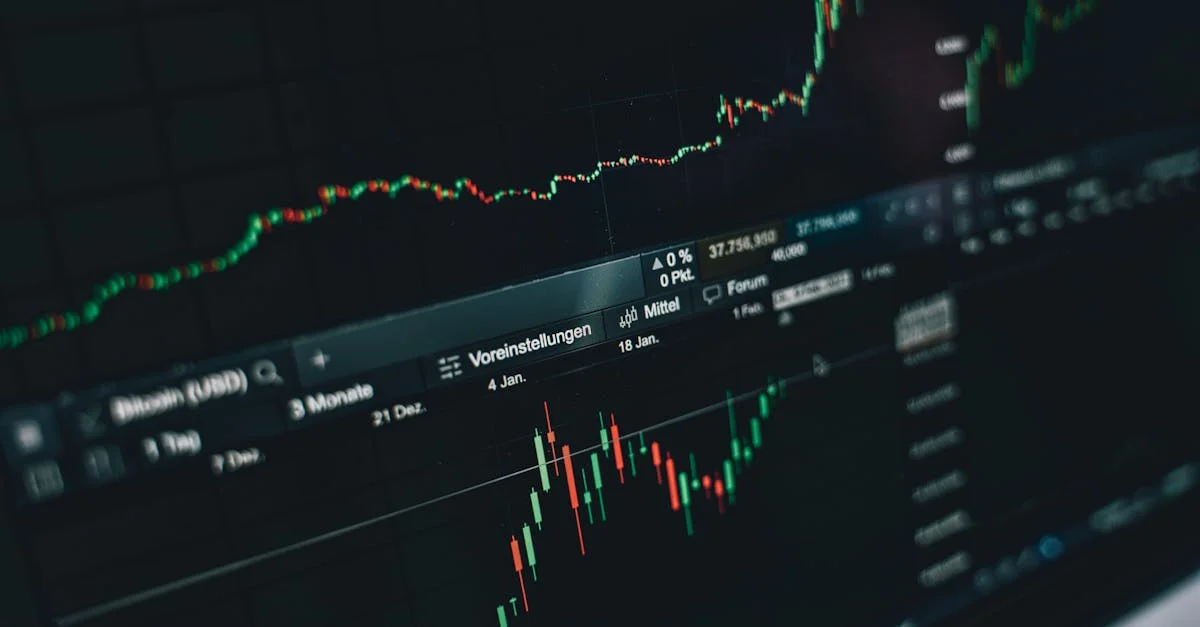
Ceasefire Hopes Fade as Hezbollah Rejects Lebanon Deal; Bitcoin Slumps Toward $61k on AI Trade Correction
بنبست در توافق آتشبس با مخالفت حزبالله؛ ریزش بیتکوین به مرز ۶۱ هزار دلار در پی اصلاح بازار هوش مصنوعی
Geopolitical tensions surge as Hezbollah rejects a U.S.-brokered ceasefire deal, labeling it a 'surrender,' while global markets reel from a tech sell-off that has dragged Bitcoin down to $61,432. Meanwhile, a rare attack on an Omani oil terminal has shattered the last calm corner of the Persian Gulf.
At time of publishing
USD
173,700
Toman
Gold 18K
18.84M
Toman / gram
Bitcoin
$61,432
US Dollar
Tether
173,360
Toman
The Ceasefire Mirage: Why Hezbollah Rejected the Lebanon Deal
As the conflict enters its 98th day, the fragile hope for a diplomatic exit has been shattered. Hezbollah's leadership officially rejected the U.S.-brokered ceasefire agreement between Israel and the Lebanese government, arguing that the terms amounted to a total surrender for the resistance group. Despite the death toll in Lebanon surpassing 3,500, the group remains defiant, noting that they were not directly included in the negotiations. This rejection signals a prolonged period of attrition that continues to weigh heavily on regional economic sentiment and the stability of the Iranian Toman.
Tehran has echoed these doubts, with officials suggesting that any deal which does not address the core security concerns of the 'Axis of Resistance' is destined to fail. For the average Iranian observer, this stalemate means the 'war risk premium' remains baked into the local markets. Although the USD/IRR rate has held steady at 173,700 in early Friday trading, the failure of diplomacy suggests that volatility is merely hibernating. The continuation of strikes in Lebanon despite the talks underscores the disconnect between high-level diplomacy and the reality of the front lines.

Crypto Caught in the AI Crossfire: Bitcoin Slumps to $61,400
The digital asset market is facing a harsh reality check as the 'AI trade' begins to unwind. Following a disappointing sales outlook from chip giant Broadcom, tech-heavy indices like the Nasdaq have seen a significant pullback, dragging Bitcoin and the broader crypto market down with them. Bitcoin moved from its previous highs toward the $61,432 mark, a reflection of how tightly correlated crypto has become with global tech sentiment. Investors who once viewed Bitcoin as a hedge against traditional market volatility are now finding it behaving more like a high-beta tech stock.
This correction is further exacerbated by internal crypto industry shocks. The Zcash (ZEC) ecosystem was rocked by the discovery of a four-year-old bug that could have allowed for unlimited token printing, causing a 30% plunge in its value. While Bitcoin remains fundamentally separate from such vulnerabilities, the cumulative effect of tech earnings disappointments and security scares in the altcoin space has triggered a 'risk-off' mood. For Iranian traders holding USDT (currently at 173,360 Toman), the global price drop offers a complex entry point—balancing a cheaper dollar-denominated asset against the risk of further global liquidations.
The Last Calm Corner No More: Oman Oil Terminal Attack
Energy markets were jolted this morning following reports of a blast at Oman’s main oil terminal, an area previously considered a safe haven amidst the broader Persian Gulf hostilities. Brent crude immediately reacted, climbing toward $95.37 per barrel as traders reassessed the security of shipping lanes outside the immediate Strait of Hormuz. This attack is particularly significant because Oman has historically acted as a neutral mediator; targeting its infrastructure suggests that the geographical scope of the conflict is expanding, leaving no corner of the region truly insulated from the ongoing shadow war.
While global energy prices rise, Iran is simultaneously attempting to bolster its regional diplomatic ties. In Bishkek, the Iranian and Pakistani interior ministers met to discuss bilateral relations and border security. This move highlights Tehran's dual-track strategy: maintaining a firm military stance via its regional allies while seeking to stabilize its eastern and northern frontiers through traditional diplomacy. For the domestic economy, the rising price of oil globally provides a theoretical cushion for the state budget, but the increased cost of shipping and insurance due to regional instability continues to drive up the landed cost of imports, fueling persistent inflationary pressure.

Frequently Asked Questions
Why did Hezbollah reject the ceasefire agreement?
How is the AI market crash affecting Bitcoin prices?
What is the significance of the attack on the Oman oil terminal?
Understanding Geopolitical Risk and Its Impact on Financial Markets
Geopolitical risk refers to the uncertainty and instability arising from political events and conflicts between nations, regions, or even non-state actors, which can significantly influence global economic conditions and financial markets. These risks encompass a wide array of events, from wars and diplomatic tensions to terrorism, sanctions, and political coups. Unlike traditional economic indicators, geopolitical events are often unpredictable, making them particularly challenging for investors and policymakers to anticipate and mitigate. Their sudden onset can trigger immediate and profound reactions across various asset classes, as market participants scramble to reassess risk and adjust their portfolios.
The mechanisms through which geopolitical risk impacts financial markets are multifaceted. Firstly, conflicts or instability in key regions can disrupt global supply chains, particularly for critical commodities like oil and gas, leading to price spikes and inflationary pressures. Secondly, heightened geopolitical tensions erode investor confidence, prompting a "flight to safety" where capital moves away from riskier assets (such as equities and some cryptocurrencies) into perceived safe havens like gold, certain government bonds, or strong reserve currencies. Thirdly, prolonged instability can deter foreign direct investment, weaken local currencies, and even lead to capital flight from affected regions, further exacerbating economic downturns.
The recent headlines illustrate these dynamics vividly. Hezbollah's rejection of a ceasefire deal and the ongoing conflict in Lebanon, coupled with incidents like the Oman oil terminal attack, amplify regional instability. Such events directly contribute to uncertainty in energy markets and could impact regional trade and investment, potentially influencing currency values like the USD/IRR. While Bitcoin's slump might be attributed to an "AI trade correction," geopolitical anxieties often act as an underlying current, exacerbating sell-offs in riskier assets as investors become more risk-averse. Even the outlook for technology giants like Broadcom can be indirectly affected if global supply chains or consumer confidence are broadly impacted by geopolitical strife.
Topics
Related Articles