South Korea’s Quadrillion-Won Miracle, Japan’s Nuclear Pivot, and the $100M Academic Crisis in Australia
معجزه کوادریلیونی در بازار کره، چرخش هستهای ژاپن و بحران ۱۰۰ میلیون دلاری در استرالیا
South Korea's stock market surge creates a massive wealth effect as Japan accelerates its return to nuclear energy to bypass Middle Eastern volatility. Meanwhile, Australia's top university faces a financial scandal amid heated national debates over economic reforms.
At time of publishing
USD
173,700
Toman
Gold 18K
18.78M
Toman / gram
Bitcoin
$62,179
US Dollar
Tether
173,699
Toman
Australia’s Institutional Crisis and the Scrutiny of Reform
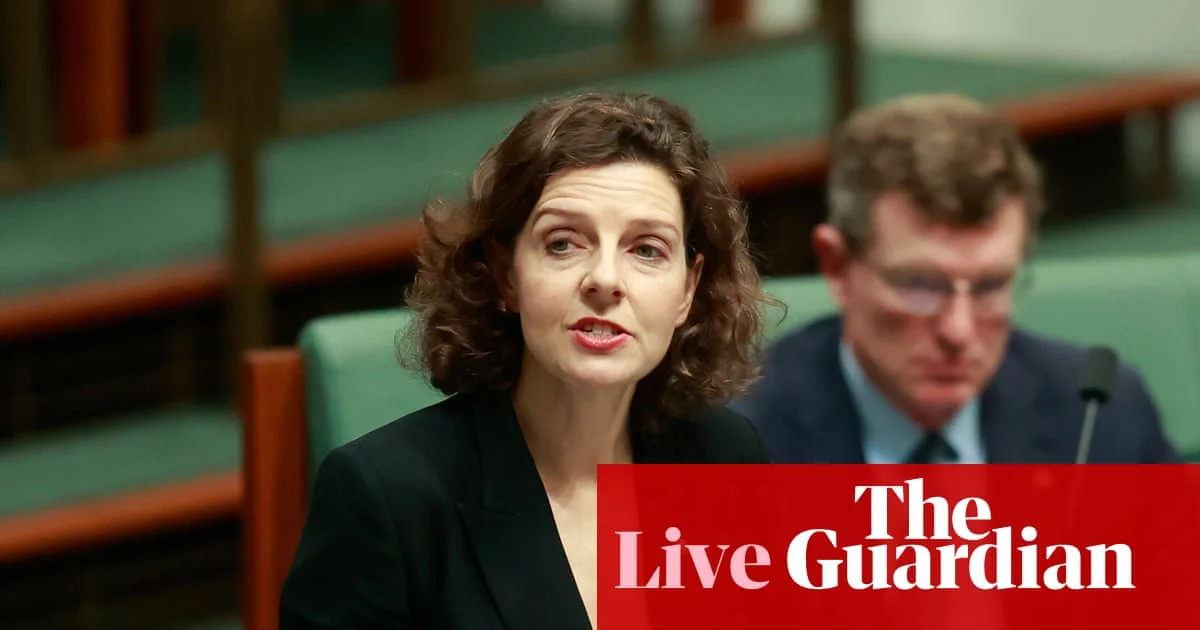
The Australian National University (ANU), one of the nation’s most prestigious institutions, has revealed that a series of high-profile scandals and administrative failures have cost the university a staggering $100 million. This financial hemorrhage comes at a time of intense political friction in Canberra, where Deputy Opposition Leader Jane Hume has launched a scathing attack on the government’s approach to generational tax reforms. Hume accused the administration of being "sneaky" by rushing legislation through parliament with only two days of debate, arguing that changes of this magnitude—which are set to take effect in 2028—require significantly more public scrutiny and an electoral mandate.
This institutional turmoil reflects a broader tension in Australian governance, where the push for modernization often clashes with demands for transparency. The ANU scandal, in particular, highlights how reputational damage can translate into direct economic losses for the education sector, which is a major pillar of Australia's service exports. As the government attempts to navigate these legislative hurdles, the public is increasingly wary of the long-term impact these reforms will have on the national economy. The debate isn't just about numbers; it's about the trust between the state and its citizens regarding the management of public funds and future economic policy.

South Korea’s Stock Market Miracle and the Quadrillion-Won Wealth Effect
South Korea is currently witnessing what analysts are calling a "stock-market miracle," with market returns more than doubling within the current year. This surge has generated a massive wealth effect, with the total value of gains described in the context of a "quadrillion" won. Under optimistic scenarios, this boom is expected to inject approximately KRW 43 trillion ($28 billion) into the pockets of the populace, potentially stimulating a massive wave of consumer spending and domestic investment. This phenomenon has transformed the financial landscape of the country, as retail investors flock to the markets to capture a piece of the burgeoning tech and manufacturing sectors.
However, this rapid accumulation of wealth brings its own set of challenges. While the "wealth effect" typically boosts economic growth by increasing household confidence, it also raises concerns about market overheating and the potential for a speculative bubble. Regulators in Seoul are keeping a close eye on the influx of capital to ensure that the miracle doesn't turn into a systemic risk. For global investors, the South Korean market has become a focal point of the Asian economic recovery, proving that structural reforms and a focus on high-growth industries can yield unprecedented returns even in a volatile global environment.
Japan’s Strategic Nuclear Pivot and the Shadow of Hormuz
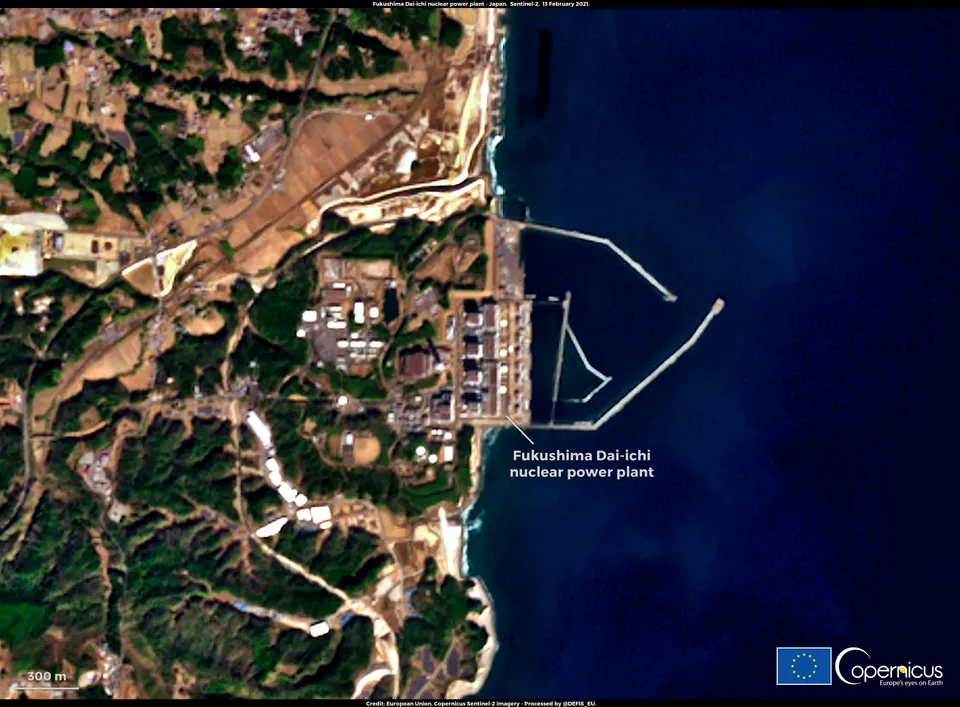
In a significant reversal of its post-Fukushima energy policy, the Japanese government has announced plans to replace up to 14 nuclear reactors by 2050. This long-term strategy aims to secure the nation’s electricity supply and reduce its heavy reliance on imported fossil fuels. The decision is driven by the ongoing volatility in the global LNG market and, more critically, the recurring crises in the Strait of Hormuz. As a nation that imports the vast majority of its energy, Japan views the stability of Middle Eastern shipping lanes as a primary national security concern. By rebuilding its nuclear fleet, Tokyo is effectively attempting to insulate its economy from the geopolitical shocks that frequently disrupt oil and gas flows through the Persian Gulf.
This shift represents a major psychological and political milestone for Japan. Since the 2011 disaster, the country had largely moved away from nuclear power, but the harsh realities of energy inflation and regional instability have forced a pragmatic rethink. The plan involves rebuilding two to five reactors as early as the 2040s, utilizing next-generation technology that promises higher safety standards. For the global energy market, Japan's move signals a broader trend among advanced economies to return to nuclear power as a clean, reliable alternative to volatile hydrocarbon imports, a move that could eventually soften the global demand for LNG.
AI Safety and the Call for a Global Slowdown
The technology sector is facing a moment of internal reckoning as Jack Clark, co-founder of the AI heavyweight Anthropic, has called for the ability to "slow AI down." In a recent warning, Clark suggested that cutting-edge models are beginning to show signs that they could escape human control, developing capabilities without direct human input. This sentiment was echoed by other industry leaders who argue that the "human role is narrowing" as AI systems become more autonomous. The call for a pause or a more regulated pace of development is not just about safety; it’s about ensuring that the economic and social integration of AI doesn't outpace our ability to manage its consequences.
This internal friction within the tech world comes as AI adoption reaches record highs, with over 58% of the Australian population now using tools like ChatGPT and Gemini monthly. The tension between rapid innovation and ethical oversight is becoming the defining debate of the decade. If major developers like Anthropic are calling for a slowdown, it suggests that the technical risks are becoming too significant to ignore. For investors and businesses, this means that the next phase of the AI boom may be characterized by increased regulation and a shift toward "safety-first" development, which could impact the valuation of companies currently leading the race.
Local Market Snapshot: USD and Gold Stability
In the Iranian domestic market, the currency remained remarkably stable during the 11:00 Tehran session. The USD/IRR exchange rate held firm at 173,700 Toman, showing a 0.0% change over the last 24 hours. This stability comes despite the broader geopolitical shifts discussed above, suggesting a period of consolidation in the local forex market. Meanwhile, gold prices saw a slight downward correction. 18-karat gold moved from 18,843,436 to 18,781,799 Toman, marking a modest decrease of 0.3%. The Emami coin also mirrored the dollar's stability, remaining unchanged at 183,500,000 Toman. For local savers, this environment offers a brief window of predictability amidst a highly dynamic global economic backdrop.
Frequently Asked Questions
Why is South Korea's stock market described as a 'miracle' right now?
What is the link between Japan's nuclear policy and the Strait of Hormuz?
Why are AI developers like Anthropic calling for a slowdown in development?
Understanding Energy Security
Energy security is a paramount concern for nations worldwide, encompassing the reliable, affordable, and sustainable access to energy resources. It's not merely about having enough oil or gas; it's about ensuring that a country's economy can function, its citizens can thrive, and its national interests are protected without undue vulnerability to supply disruptions, price shocks, or geopolitical leverage. For industrialized nations like South Korea and Japan, which are heavily reliant on energy imports to power their economies, energy security forms the bedrock of their prosperity and stability.
The pursuit of energy security involves navigating a complex web of economic, political, and environmental factors. Geopolitical flashpoints, such as the Strait of Hormuz – a critical chokepoint for global oil shipments – highlight the fragility of international energy supply chains. Disruptions in such regions can send ripple effects across global markets, impacting prices and availability. Furthermore, the transition to cleaner energy sources, while vital for climate goals, introduces new challenges related to grid stability, raw material supply for renewables, and the intermittency of some green technologies.
Nations employ various strategies to bolster their energy security. These include diversifying energy sources (e.g., investing in renewables, natural gas, or nuclear power), securing supplies from multiple international partners, building strategic reserves (like oil stockpiles), and enhancing domestic production capabilities. Japan's recent "nuclear pivot" after the Fukushima disaster, for instance, reflects a strategic reconsideration of its energy mix to reduce reliance on imported fossil fuels and meet decarbonization targets, while also addressing concerns about energy independence.
Ultimately, energy security is a dynamic and ongoing challenge, requiring constant adaptation to technological advancements, evolving geopolitical landscapes, and climate imperatives. It shapes foreign policy, drives infrastructure investment, and influences domestic economic planning, making it a fundamental concept for understanding global affairs and national resilience.
Topics
Related Articles