UK Housing Slumps on Iran War Fears; Germany Loses UN Seat as Global Energy Pivot to South America Accelerates
سقوط قیمت مسکن در بریتانیا از ترس جنگ ایران؛ ناکامی دیپلماتیک آلمان و چرخش بزرگ انرژی به سمت آمریکای جنوبی
Global markets are reacting sharply to regional instability, with UK house prices falling for a third month due to 'Iran war uncertainty.' Meanwhile, diplomatic shifts at the UN and a massive surge in South American oil exports suggest a long-term reconfiguration of global trade routes.
At time of publishing
USD
173,700
Toman
Gold 18K
18.78M
Toman / gram
Bitcoin
$62,739
US Dollar
Tether
173,737
Toman
The 'Iran Discount': UK Property Markets Retract
Unexpectedly, UK house prices fell for the third consecutive month in May, a trend that analysts are now directly linking to the geopolitical instability in West Asia. According to the lender Halifax, the average price of a typical UK home dropped by 0.1% to £298,806. While a small percentage, the cumulative effect of three months of decline signals a significant cooling of the market. Investors and homebuyers are increasingly wary as mortgage rates remain stubbornly high, fueled by the risk premiums associated with the ongoing conflict involving Iran.
For the Iranian reader, this development illustrates the profound interconnectedness of modern finance. The 'war uncertainty' mentioned by British lenders isn't just a political talking point; it is a mathematical factor in global capital costs. When the risk of a wider regional conflict increases, global energy prices and inflation expectations rise, forcing central banks to keep interest rates higher for longer. This effectively means that the tension in the Persian Gulf is being paid for, in part, by homeowners in London and Manchester through higher monthly interest payments.
Legal Accountability: The NSW Strip-Search Precedent
In a landmark legal battle in Australia, a woman who was illegally strip-searched by police at a music festival has been awarded significant damages, highlighting a growing global scrutiny of state overreach. Raya Meredith, the lead plaintiff in a class action involving 6,000 festivalgoers, was awarded $93,000 after a judge found the search was conducted without lawful grounds. The court heard that the officers involved had no recollection of the search just a year later, yet the legal system held the institution accountable for the trauma inflicted on citizens under the guise of security.
This case resonates far beyond the borders of New South Wales. It underscores a shifting tide where judicial systems are increasingly unwilling to accept 'security necessity' as a blanket excuse for violating individual rights. As governments worldwide—including those in the Middle East—tighten domestic controls during times of geopolitical tension, this Australian ruling serves as a reminder that the rule of law can eventually catch up with executive overreach. For Iranian society, which has faced its own intense debates over policing and personal liberties, such international precedents offer a window into how legal frameworks can evolve to protect the individual against the state.

Diplomatic Fallout: Germany’s UNSC Setback
Tehran has officially characterized Germany’s failure to secure a non-permanent seat on the UN Security Council as a direct consequence of its 'irresponsible' policies in West Asia. Foreign Ministry spokesperson Esmaeil Baqaei stated that the international community’s rejection of Berlin’s bid is a clear signal of opposition to its stance on the Gaza genocide and military aggressions against Iran. This diplomatic blow to Berlin suggests that the era of Western diplomatic hegemony is facing a stern challenge from the 'Global South,' which is increasingly using its voting power in the UN to punish perceived biases.
What this means for the future is a more fragmented international order. Germany has traditionally been a key mediator in European-Iranian relations, often acting as a bridge for trade and nuclear negotiations. However, as Berlin aligns more closely with hardline military positions, its 'honest broker' status has eroded. This shift likely complicates any future diplomatic 'thaw' between Tehran and the EU, as the channels for neutral dialogue continue to shrink. The loss of the UNSC seat is not just a symbolic defeat; it is a loss of leverage in the world’s most important security forum.

The Energy Pivot: India and the South American Boom
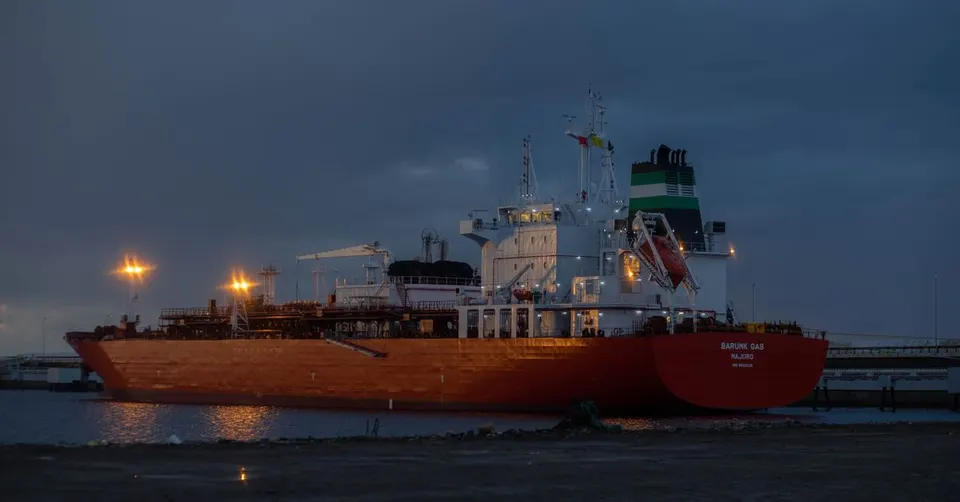
As the Strait of Hormuz remains a high-risk flashpoint, the world’s largest energy consumers are aggressively diversifying their supply chains. Indian energy companies are currently eyeing a massive expansion into Venezuelan oil fields, with imports already surging by 51% in a single month. This move is supported by a warming relationship between New Delhi and Caracas, as India seeks to insulate its economy from the price shocks and shipping disruptions that have characterized the Middle Eastern energy market over the past year.
Simultaneously, South America as a whole—led by Brazil and Guyana—is raising its oil exports at a faster rate than the United States. These producers are flooding the market with crude that does not rely on the volatile transit routes of the Middle East. For the Iranian economy, this represents a long-term strategic challenge. While Iran remains a central player in the energy world, the rapid rise of Atlantic-based producers reduces the global economy's 'Hormuz dependency.' If this trend continues, the geopolitical leverage traditionally held by Persian Gulf states could begin to dilute as the world finds more stable, if more distant, alternatives.
Frequently Asked Questions
Why are UK house prices falling because of Iran?
What is the significance of Germany losing its UN Security Council seat?
How is the global oil market shifting away from the Middle East?
Understanding Geopolitical Risk and its Global Economic Impact
Geopolitical risk refers to the potential for international relations, political instability, conflicts, or resource competition to disrupt the global economy and financial markets. It encompasses a wide array of events, from wars and political coups to trade disputes and shifts in international alliances. Unlike localized economic risks, geopolitical risks often have far-reaching, unpredictable consequences that can ripple across continents, affecting everything from commodity prices to consumer confidence.
The impact of geopolitical risk is multifaceted. When tensions rise, such as the "Iran war fears" mentioned in the headline, investors typically seek safer assets, leading to capital flight from riskier markets. This uncertainty can depress economic activity, as businesses delay investment and consumers curb spending. For instance, the threat to critical energy chokepoints like the Strait of Hormuz, a key conduit for global oil shipments, can instantly drive up oil prices, impacting energy-dependent industries and households worldwide. This directly links to the "global energy pivot to South America," as nations seek to diversify supply chains away from volatile regions.
Furthermore, geopolitical shifts can alter the balance of power and influence on the international stage. Germany's reported loss of a UN Security Council seat, while complex, can be seen in the context of evolving global dynamics where economic and strategic interests are constantly being re-evaluated. The "Venezuela India oil deal" and increased "South America oil exports" reflect a broader trend of countries forging new alliances and securing resources in response to perceived vulnerabilities or opportunities arising from geopolitical realignments.
Ultimately, understanding geopolitical risk is crucial for navigating today's interconnected world. It helps explain why distant conflicts can affect local housing markets, why currency exchange rates like the "USD IRR price" fluctuate, and why nations constantly recalibrate their foreign policy and economic strategies. It's a reminder that political events are not isolated but are deeply intertwined with economic realities, shaping our collective future.
Topics
Related Articles