Direct Strikes Re-Ignite: Iran and Israel Exchange Fire as Oil Markets Brace for Escalation
تبادل حملات مستقیم ایران و اسرائیل؛ جهش قیمت نفت و آمادهباش بازارهای جهانی
Direct military confrontations between Iran and Israel have resumed for the first time since April, sending oil prices higher and causing a volatile 'risk-off' shift in global markets. While OPEC+ attempts to stabilize supply with a production hike, the physical blockage of the Strait of Hormuz remains the primary bottleneck for global energy security.
At time of publishing
USD
178,150
Toman
Gold 18K
18.62M
Toman / gram
Bitcoin
$63,141
US Dollar
Tether
178,535
Toman
Direct Military Confrontation Breaks April Ceasefire
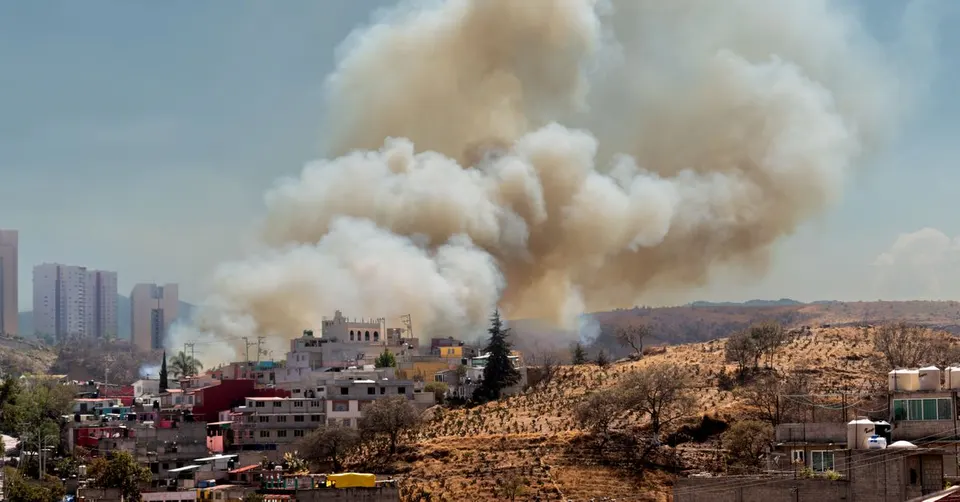
The fragile peace that had held since April has shattered this Monday morning as Iran and Israel traded direct strikes, marking a significant escalation in the regional conflict. Iran launched multiple waves of missiles targeting Israeli infrastructure, while the Israeli Defense Forces (IDF) responded by striking military installations and a major petrochemical complex within Iranian territory. This direct exchange represents a shift from proxy warfare to a state-of-state confrontation that markets had hoped to avoid after the diplomatic efforts of the previous months.
For the Iranian public and regional observers, this escalation is particularly concerning due to the targeting of economic assets like petrochemical plants. The IDF confirmed it has detected at least six salvos of missiles since the flare-up began yesterday, suggesting that neither side is currently looking for an immediate off-ramp. The strikes have caused immediate volatility in regional logistics, with shipping insurance premiums expected to rise as the threat to industrial and maritime assets becomes a daily reality rather than a theoretical risk.
Oil Prices Surge Despite OPEC+ Output Hike
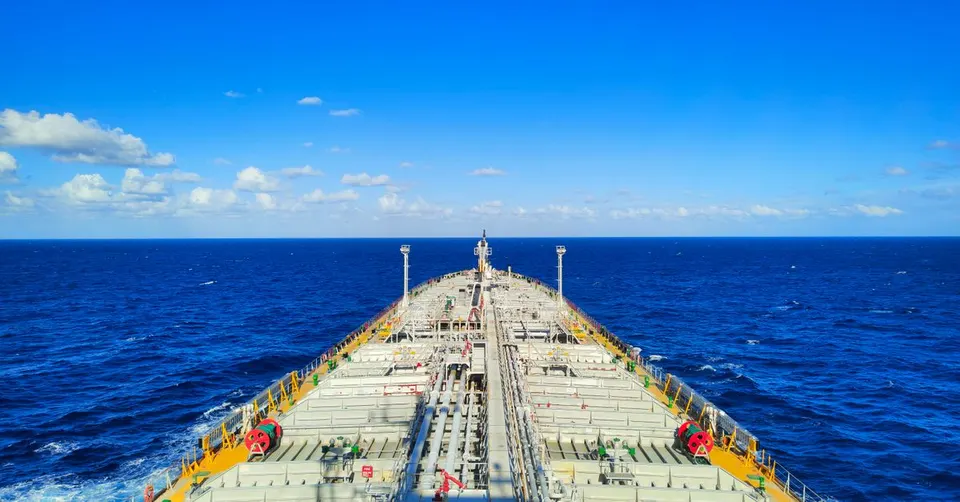
Global energy markets reacted instantly to the news of the strikes, with Brent crude and WTI futures seeing a sharp uptick. The surge comes at a complicated time for the energy sector, as OPEC+ recently approved an oil output hike of 188,000 barrels per day for July. However, market analysts are skeptical that this increase will reach the global market. Much of the planned production from Middle Eastern exporters remains "on paper" because the continued blockage and military activity in the Strait of Hormuz prevent the physical transport of crude to international buyers.
The energy crisis is being compounded by a shift in global trade routes. Exporters in the Persian Gulf are desperately trying to reroute crude through overland pipelines to bypass the volatile maritime chokepoints. While countries like Venezuela have seen their output rise to 1.25 million barrels daily to fill the void, the sheer volume of lost Middle Eastern supply is keeping prices at a premium. For the average consumer, this translates to sustained inflationary pressure on fuel and transported goods, regardless of production quotas set in Vienna.
Trump’s Diplomatic Pressure and the Political Wildcard
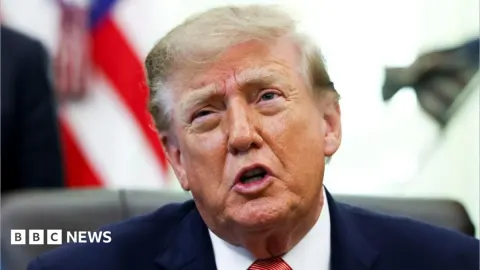
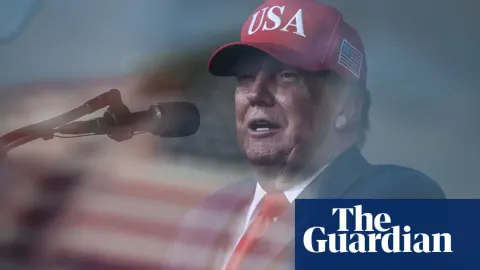
Politically, the situation is further complicated by the involvement of U.S. leadership. Former President Donald Trump has reportedly urged Israeli Prime Minister Benjamin Netanyahu to exercise restraint and avoid further retaliation against Iran. In a recent "Meet the Press" interview, Trump clarified his stance on foreign conflicts, stating that while he built a strong military, he never "guaranteed no war." This rhetorical balancing act highlights the tension between his campaign promises to end foreign entanglements and the geopolitical reality of supporting a key ally under fire.
This political uncertainty is creating a vacuum where regional actors are testing the limits of international red lines. The Iranian leadership is facing domestic pressure to show strength in the face of strikes on industrial targets, while the Israeli cabinet is balancing U.S. diplomatic requests against the perceived need for deterrence. For global investors, the lack of a clear, unified diplomatic path forward means that "geopolitical risk" is no longer a temporary spike but a permanent factor in asset pricing for the foreseeable future.
Market Reaction: Risk-Off Sentiment Hits Crypto and Toman
The financial fallout of the strikes has been swift across all asset classes. Bitcoin (BTC) initially spiked on the news before dumping back to $63,141, as investors moved toward safer havens. The broader crypto market is feeling the weight of risk aversion, mirrored by a massive 8% plunge in South Korea’s KOSPI index. Analysts suggest that the liquidation of leveraged positions in the crypto space is a direct result of the uncertainty surrounding the Middle East, as traders exit speculative assets in favor of cash or gold.
In the local Iranian market, the currency has shown a degree of resilience but remains under pressure. The USD sell rate moved from 178,400 to 178,150 Toman, a slight decrease of 0.1%, while Gold 18k per gram dropped by 0.3% to 18,618,588 Toman. Despite these minor downward movements in the last 24 hours, the atmosphere in Tehran’s markets is one of cautious waiting. The stability of the Emami coin at 184,000,000 Toman suggests that local big-money players are holding their positions, waiting to see if the military strikes escalate into a full-scale regional war.
Frequently Asked Questions
Why is the Strait of Hormuz blockage so significant for oil prices now?
How has the Iranian Toman reacted to the direct strikes on petrochemical assets?
What is Donald Trump's current role in the Middle East ceasefire negotiations?
The Strait of Hormuz: Why This Narrow Waterway Holds Global Oil Markets Hostage
The Strait of Hormuz, a 21‑nautical‑mile-wide passage between the Persian Gulf and the Gulf of Oman, is one of the world’s most critical chokepoints for energy trade. Roughly 20‑30% of daily global oil shipments and a similar share of liquefied natural gas (LNG) traverse this narrow corridor each day. Because the waterway is flanked by Iran to the north and the United Arab Emirates and Oman to the south, any military confrontation—such as the renewed Iran‑Israel strikes in June 2026—immediately raises the specter of a blockage, prompting traders to price in a “geopolitical risk premium.”
When ships are delayed or rerouted around the Cape of Good Hope, transport costs can rise by $10‑$15 per barrel, a shock that quickly reverberates through futures markets and pushes spot prices upward. The June 2026 oil price surge was a textbook example: investors, fearing a sudden closure, bid up Brent and WTI contracts, while OPEC’s decision to increase production in July was partly an attempt to flood the market and temper the premium. The interplay between supply‑side decisions and security‑related risk illustrates how geopolitics can dominate traditional supply‑demand fundamentals.
Beyond oil, the Hormuz chokepoint influences broader financial markets. Heightened tension often triggers risk‑off sentiment, prompting investors to flee volatile assets like Bitcoin and seek safe‑haven currencies. Simultaneously, countries directly involved—most notably Iran—experience sharp movements in their exchange rates; the USD/IRR pair can swing dramatically as sanctions tighten and capital flows are restricted. Understanding the strategic importance of Hormuz therefore helps explain why a regional flare‑up can ripple through commodities, currencies, and even digital assets.
Historically, the strait has been a flashpoint: during the 1980s Iran‑Iraq War, Iran mined the waters, and in 2019 the United States temporarily seized a tanker, prompting a brief but intense spike in oil prices. Each episode reinforces the market’s memory of vulnerability, meaning that even the threat of a closure can be enough to move prices. For policymakers and investors alike, monitoring naval activity, diplomatic communications, and OPEC’s production stance offers a real‑time gauge of how close the world might be to another price shock.
In short, the Strait of Hormuz is not just a geographic bottleneck; it is a price‑setting engine where military strategy, international diplomacy, and market psychology intersect. Recognizing its role equips anyone watching the news—whether they track oil futures, currency markets, or cryptocurrency volatility—to anticipate the cascading effects of Middle‑East tensions on the global economy.