Middle East Ceasefire Shrouded in Smoke: Israel Strikes Iran After Missile Barrage
پایان غیررسمی آتشبس؛ حمله متقابل اسرائیل به مرکز و غرب ایران در پی شلیک موشکهای بالستیک
The fragile peace has shattered as Israel and Iran exchange direct strikes for the first time since April. With oil prices surging and Asian markets in a tailspin, we break down what this escalation means for your wallet and the global economy.
At time of publishing
USD
177,700
Toman
Gold 18K
18.68M
Toman / gram
Bitcoin
$62,833
US Dollar
Tether
178,307
Toman
Market Open — Geopolitical Risk Shadows the Toman
The Tehran market opened this Monday with a palpable sense of caution as traders digested the overnight military escalations. The US Dollar (USD/IRR) saw a slight tactical retreat, falling from 178,400 to 177,700 Toman, a decrease of 0.4%. While this might seem counterintuitive given the headlines, it reflects a market that had already priced in significant tension, coupled with potential central bank interventions to stabilize the rate. Meanwhile, the gold market showed a split reaction: 18k gold remained flat at 18,683,918 Toman per gram, but the Emami Coin rose by 0.5%, climbing to 185,000,000 Toman, signaling a preference for liquid, physical hedges among local investors.
In the digital asset space, Tether (USDT) is trading at a premium relative to the official paper dollar at 178,307 Toman, reflecting the urgent demand for cross-border liquidity. Bitcoin (BTC) has been a rollercoaster, briefly pumping toward $63,700 before settling around $62,833 as global risk-off sentiment took hold. For the Iranian reader, the message is clear: while the currency hasn't spiraled yet, the rising cost of the Emami coin suggests that the 'smart money' is bracing for a volatile week ahead.
The Ceasefire Shatters: Direct Strikes Return
The relative calm that had held since the April ceasefire has been violently interrupted. Overnight, Iran launched a barrage of ballistic missiles toward Israel, a move Tehran described as retaliation for earlier Israeli strikes in Lebanon. The response was swift; the Israeli Defense Forces (IDF) confirmed they have struck military targets in central and western Iran. This marks the first direct exchange of fire between the two regional powers in months, effectively ending the period of 'strategic patience' and raising the specter of a broader regional conflict.
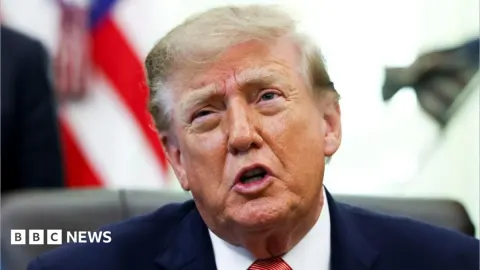
Politically, the situation is further complicated by the rhetoric coming from Washington. Former President Donald Trump reportedly urged Prime Minister Benjamin Netanyahu to exercise restraint, yet simultaneously defended his own record, stating he never 'guaranteed no war' despite his campaign promises. This ambiguity in U.S. foreign policy is adding a layer of unpredictability to the markets. For Iranians, this isn't just a headline; it is a direct threat to the supply chains and the fragile economic stabilization efforts of the past few months. The focus now shifts to whether this was a 'one-off' exchange or the beginning of a sustained military campaign.
Global Markets in Retreat as Oil Surges
The immediate economic casualty of the overnight strikes has been the global energy market and Asian equities. Oil prices spiked by over 3.4%, with Brent crude climbing toward $96.30 per barrel. This surge is driven by fears that the conflict could once again threaten shipping lanes in the Persian Gulf or lead to renewed, stricter enforcement of energy sanctions. While higher oil prices theoretically benefit oil-exporting nations, for Iran, the 'war premium' is often offset by the increased costs of logistics and the heightened risk of infrastructure damage.
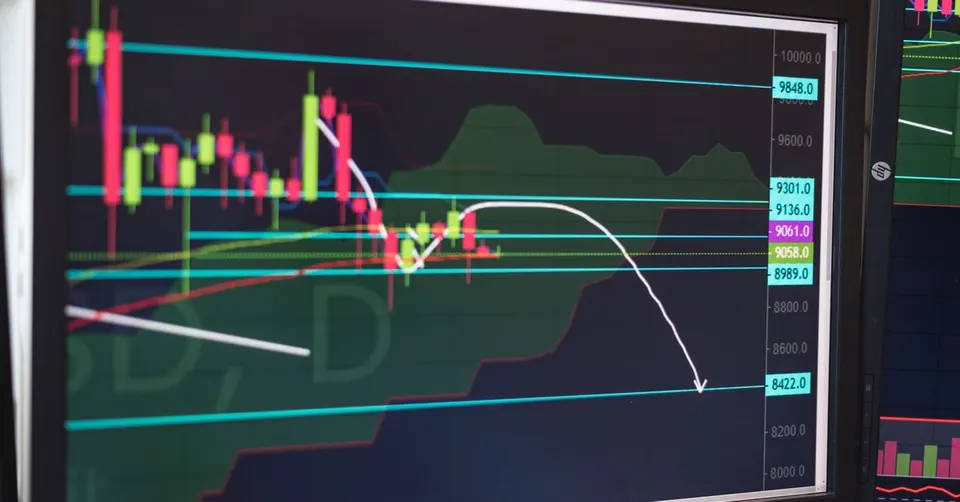
In Asia, the reaction was nothing short of a bloodbath. South Korea’s KOSPI index plummeted by 8%, a crash triggered by a combination of geopolitical fear and a cooling AI trade. Investors are fleeing 'risk assets'—including stocks and emerging market currencies—and moving into safe havens like the US Dollar and Gold. This global flight to safety is what usually puts the most pressure on the Toman; when the world gets scared, the demand for hard currency in Tehran typically sky-rockets, regardless of local economic fundamentals.
Crypto’s 'Oversold' Relief Meets Reality
Bitcoin traders experienced a brutal 'fake-out' over the last 12 hours. Initially, BTC reclaimed the $63,000 level in what analysts called an 'oversold relief rally,' triggering over $500 million in short liquidations as bears were caught off guard. However, as news of the Israeli strikes on Iran broke, the gains were quickly erased. Bitcoin fell back below the $63,000 mark, proving once again that in times of immediate military conflict, crypto often trades more like a high-beta tech stock than 'digital gold.'
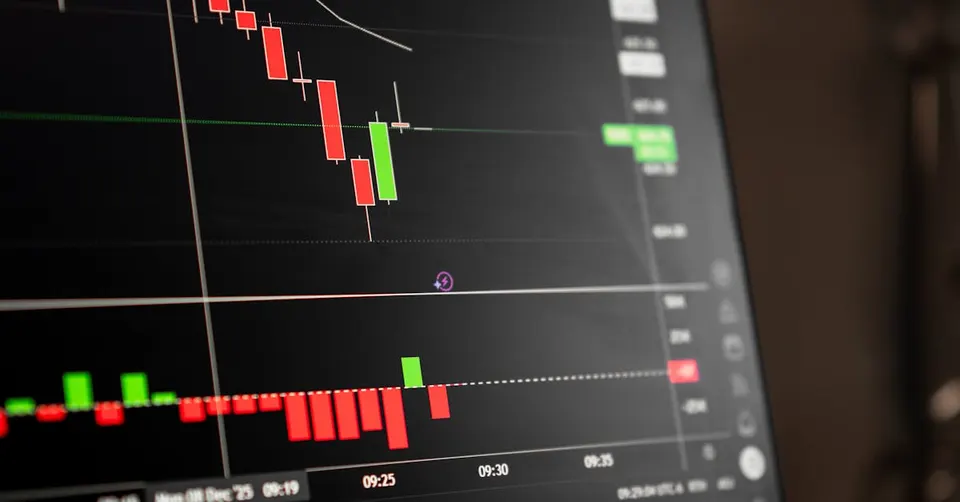
The divergence between Bitcoin and physical gold is particularly notable today. While BTC struggled to hold its gains, global gold prices remain near historic highs of $4,305 per ounce. For the Iranian crypto community, the volatility in BTC combined with the high price of USDT creates a complex trading environment. The 'short squeeze' seen earlier today suggests that the market is thin and highly sensitive to news, meaning any further escalation in the Middle East could lead to rapid, unpredictable price swings in both directions.
Frequently Asked Questions
Why did the USD/IRR price drop slightly despite the military news?
How did the global oil market respond to the strikes in Iran?
Is Bitcoin acting as a safe haven during this Middle East escalation?
How an Oil Price Shock Rippled Through Currencies, Stocks, and Crypto in 2026
An oil price shock occurs when a sudden event—often geopolitical—disrupts the balance between global oil supply and demand, causing prices to swing dramatically. In June 2026, a barrage of missiles between Israel and Iran threatened key Middle‑East oil transit routes, prompting a sharp spike in Brent crude. The shock was not just a headline; it altered the cost of production, transportation, and energy‑intensive goods worldwide, feeding directly into inflation and monetary policy decisions.
The immediate effect of higher oil prices is felt in exchange rates, especially for countries that import large volumes of oil. Iran’s rial (IRR) already under pressure from sanctions saw its USD/IRR rate weaken further as the government struggled to finance imports with a devalued currency. Similarly, oil‑importing economies like South Korea experienced a widening current‑account deficit, contributing to a sudden sell‑off in the KOSPI index as investors fled risk‑off assets.
Higher energy costs also reverberated through financial markets beyond traditional equities. The surge in oil prices boosted the profitability of energy‑linked stocks but simultaneously heightened concerns about corporate earnings in high‑energy‑consumption sectors, prompting a broad market correction. In parallel, the crypto market felt the tremor: rising oil‑linked inflation expectations drove investors toward Bitcoin as a hedge, but the rapid price swing triggered massive short‑position liquidations, amplifying Bitcoin’s volatility.
Understanding oil price shocks helps explain why a single geopolitical flashpoint can cascade into currency devaluation, stock market crashes, and crypto turmoil. Policymakers monitor oil inventories, strategic reserves, and forward contracts to temper such shocks, while investors diversify across asset classes to manage the heightened risk.
For a deeper dive, see the references below, which cover the mechanics of supply shocks, the 2026 Middle‑East conflict’s impact on oil markets, and the broader economic fallout.