Global Markets Shaken: Tech Stocks Plunge as Iran and Israel Exchange Direct Strikes for the First Time Since April
لرزه بر اندام بازارهای جهانی: سقوط سهام فناوری همزمان با تبادل حملات مستقیم میان ایران و اسرائیل
A fragile regional ceasefire has collapsed as Iran and Israel trade missile strikes, hitting critical infrastructure and sending oil prices soaring. Asian markets, led by tech giants, have entered a sharp sell-off as investors flee to safe-haven assets amid escalating geopolitical uncertainty.
At time of publishing
USD
178,400
Toman
Gold 18K
18.52M
Toman / gram
Bitcoin
$63,128
US Dollar
Tether
178,139
Toman
The Ceasefire Collapses: Direct Strikes Re-Ignite Conflict
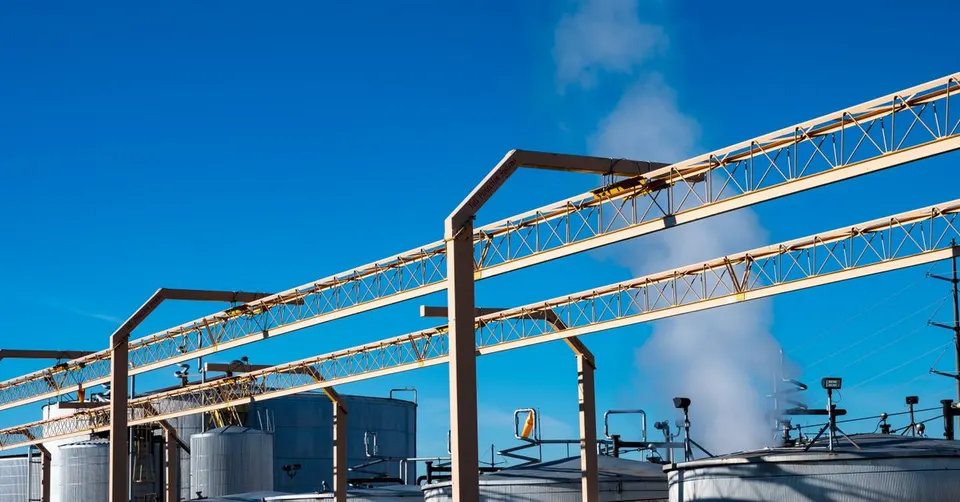
The relative calm that had characterized the Middle East since the April ceasefire was shattered today as Iran and Israel engaged in a direct exchange of military strikes. The escalation began with Iranian missile waves targeting Israeli strategic locations, which were met with immediate Israeli retaliatory strikes against military targets and a petrochemical complex in Iran. Specifically, reports from the Karun petrochemical plant in Mahshahr indicate significant activity, though Iranian media currently reports no immediate casualties. The Revolutionary Guards (IRGC) framed their response as a direct retaliation for an alleged American-Israeli strike on Iranian interests, highlighting the precarious nature of the current regional security architecture.
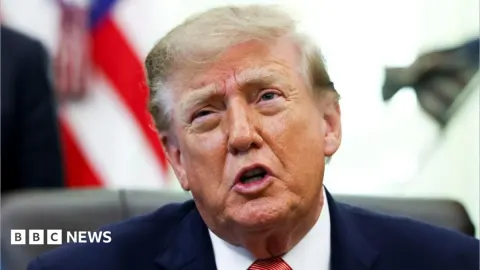
This development is particularly significant because it marks the first time since April that both nations have bypassed proxy forces to strike each other's sovereign territory directly. Despite public pleas for restraint from U.S. President Donald Trump, who reportedly spoke with Prime Minister Benjamin Netanyahu to contain the escalation, the Israel Defense Forces (IDF) have signaled that their operations are a necessary response to Tehran's aggression. For the observer, this signifies a breakdown in the back-channel diplomacy that had held the region in a state of 'frozen conflict' for the past two months, suggesting that the risk of a full-scale regional war has reached its highest point in years.
Global Market Contagion: Tech Stocks and Oil React
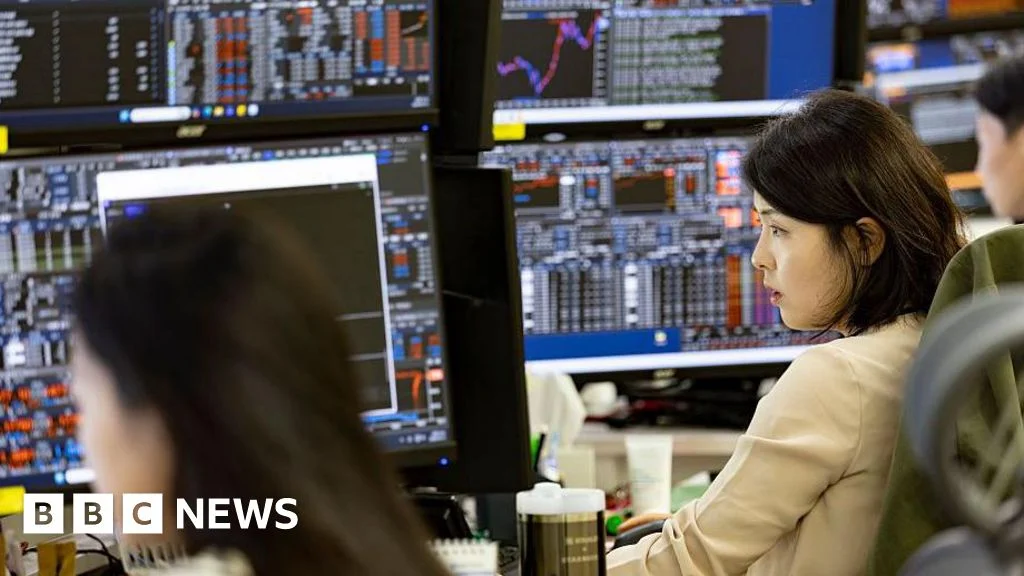
The geopolitical shockwaves immediately hit global financial hubs, with Asian markets bearing the brunt of the initial panic. In South Korea and Japan, tech stocks experienced a massive sell-off, erasing gains from a record-breaking rally earlier this year. The KOSPI and Nikkei indices saw sharp declines as investors moved away from high-growth AI and semiconductor companies. Even industry leaders like Nvidia, which recently struck new memory-chip deals, could not escape the broader market gloom as its partners SK Hynix and Samsung closed with significant losses. This 'risk-off' sentiment reflects a growing fear that a prolonged conflict could disrupt global supply chains, particularly in the high-tech sector which relies heavily on regional stability for energy and logistics.
Simultaneously, the energy sector is seeing the opposite effect. Oil prices jumped by their largest margin in over a month as the threat to the Strait of Hormuz and regional refineries became tangible. Brent crude and WTI futures swung violently as traders priced in the possibility of a supply blockage. While Wall Street had been enjoying a two-month rally, the sudden threat to the Iranian ceasefire has forced a re-evaluation of inflation expectations. If energy costs continue to climb due to these strikes, the global fight against inflation could be derailed, forcing central banks to maintain higher interest rates for longer than previously anticipated.

The Domestic Front: Gold Dips as Toman Holds Steady
In the Iranian domestic market, the reaction has been surprisingly measured but tense. As of 12:00 Tehran time, the USD/IRR exchange rate remained flat at 178,400 Toman, showing a 0.0% change over the last 24 hours. This stability suggests that the market had already priced in a high degree of geopolitical risk, or perhaps that the Central Bank of Iran is actively intervening to prevent a currency panic. However, the gold market showed more movement; 18k gold per gram dropped by 0.9%, moving from 18,683,918 to 18,522,784 Toman. This slight dip in gold, despite the global uncertainty, may reflect local liquidity needs or a temporary correction after previous highs.
For the average Iranian citizen, these developments create a complex economic environment. While the currency remains stable for now, the surge in global oil prices and the plunge in international tech stocks often serve as leading indicators for future domestic inflation. The strike on the Karun petrochemical plant is particularly concerning for the industrial sector, as it hits at the heart of Iran's non-oil export economy. As the situation evolves, the gap between the official exchange rates and the psychological 'street' sentiment will be the key metric to watch. If the military exchange continues, the current stability at the 178,400 level for USD may face unprecedented pressure.
Shift in Global Energy Power: China’s Strategic Lead
While the Middle East burns, a quieter but equally significant shift is occurring in the global energy landscape. Recent reports indicate that China is now dominating global low-carbon investments, accounting for the majority of the $43 billion secured for industrial energy transition projects in the last six months. Out of 19 major global projects, 13 are located in China. This stands in stark contrast to the United States, where momentum has slowed. This long-term trend suggests that regardless of the immediate volatility in oil prices caused by the Iran-Israel conflict, the fundamental structure of global energy power is shifting toward the East.
This transition means that in a post-conflict world, the economic leverage held by oil-producing nations may be permanently diminished. China’s aggressive pursuit of low-carbon dominance allows it to insulate its economy from the very oil price shocks currently rattling the Nikkei and KOSPI. For investors, this highlights a growing divergence: while the West and the Middle East are bogged down by traditional geopolitical and energy security risks, China is rapidly building the infrastructure for the next industrial era. This divergence will likely dictate market winners and losers for the remainder of the decade, making China's energy policy as critical to follow as the latest missile trajectories in the Levant.
Frequently Asked Questions
Why did tech stocks crash due to a conflict in the Middle East?
How significant is the strike on the Karun petrochemical plant?
Will oil prices stay high following these attacks?
Understanding Geopolitical Risk and its Market Impact
Geopolitical risk refers to the potential for political decisions, instability, or conflicts in one region to disrupt the global economy and financial markets. It encompasses a wide range of factors, from armed conflicts and international sanctions to political coups and significant policy shifts. When events like the direct strikes between Iran and Israel occur, they introduce a profound level of uncertainty that ripples through investor sentiment and economic forecasts worldwide. This risk is not merely about direct damage but about the perceived threat to stability, supply chains, and future economic growth.
The immediate impact of heightened geopolitical risk is often a flight to safety. Investors tend to sell off assets perceived as risky, such as growth-oriented tech stocks (like Nvidia, mentioned in the keywords), leading to sharp market plunges. Simultaneously, "safe-haven" assets like gold, certain government bonds, and strong reserve currencies (like the USD) may see increased demand. Beyond equity markets, geopolitical tensions can directly affect commodity prices. For instance, conflict in the Middle East, a critical oil-producing region, almost invariably leads to a surge in oil prices due to fears of supply disruption, impacting everything from transport costs to manufacturing.
Moreover, geopolitical risk can trigger significant currency fluctuations, as seen with the USD/IRR exchange rate in times of heightened tension. Businesses operating internationally face increased operational costs, supply chain vulnerabilities, and reduced consumer confidence, which can deter investment and slow economic activity. Even seemingly unrelated sectors, like China's low-carbon investment initiatives, can be indirectly affected if global capital becomes scarcer or shifts priorities in response to widespread market instability. Understanding geopolitical risk is crucial for investors, policymakers, and citizens alike, as it helps explain the complex interplay between international events and our daily economic realities.