Trump’s 'Desperation' for a Tehran Deal Clashes with New Iran-Israel Missile Exchange
تمایل «پراشتیاق» ترامپ برای توافق با تهران در میان تبادل آتش میان ایران و اسرائیل
As Israel and Iran exchange direct strikes on petrochemical plants, reports surface of a U.S. administration desperate for a diplomatic exit. Meanwhile, the Toman holds steady despite regional escalation and a global tech sell-off.
At time of publishing
USD
177,000
Toman
Gold 18K
18.41M
Toman / gram
Bitcoin
$63,072
US Dollar
Tether
177,363
Toman
The Geopolitical Paradox: Rockets vs. Diplomacy
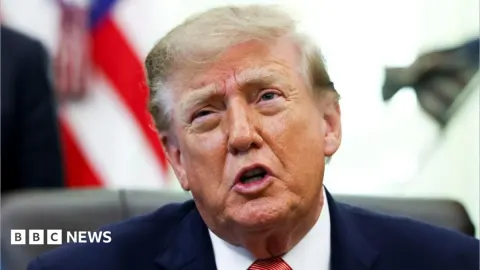
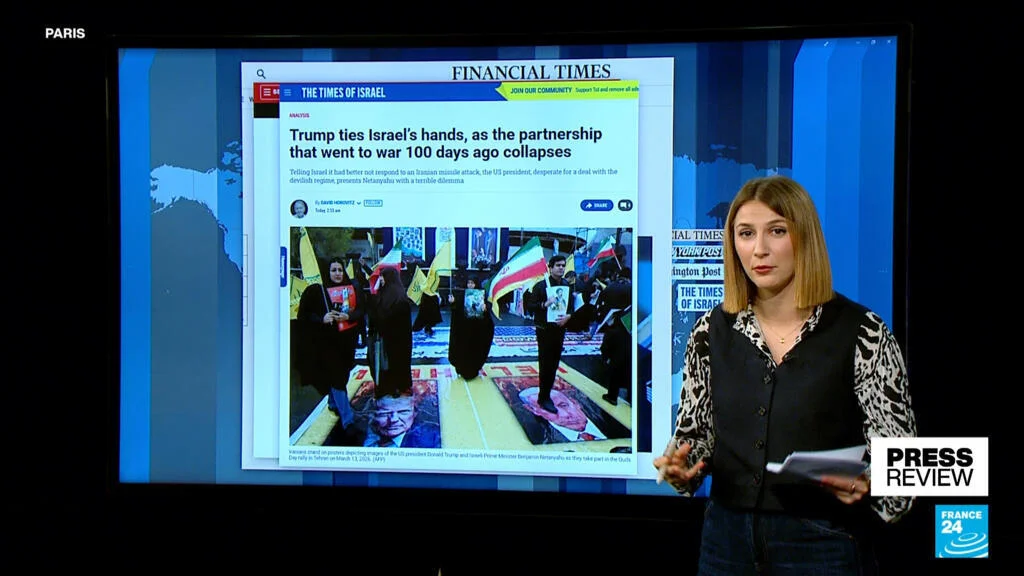
The fragile truce established in April has officially shattered as direct hostilities between Iran and Israel reignited this morning. According to reports from the Karun petrochemical plant in Mahshahr, Israeli strikes targeted energy infrastructure, a move that was met with a swift retaliatory missile barrage from the Revolutionary Guards against a similar facility in Haifa. This escalation marks the most significant direct confrontation in months, yet it is occurring against a bizarre diplomatic backdrop. Israeli media reports, cited by international outlets, suggest that President Donald Trump is privately "desperate" for a grand bargain with Tehran, aiming to de-escalate the Middle East permanently before the American electoral cycle reaches its peak.
This "desperation" creates a complex environment for regional actors. On one hand, the physical strikes suggest a drift toward total war; on the other, the rhetoric from Washington—specifically Trump’s public demand for both sides to "immediately stop"—indicates that the U.S. may be willing to offer significant concessions to prevent a broader energy crisis. For Iranian policymakers, the challenge is balancing the need for a military response with the potential for a massive sanctions-relief deal that could stabilize the domestic economy. The next 48 hours will be critical in determining whether the Haifa-Mahshahr exchange was a one-off signaling exercise or the start of a sustained campaign that could derail any back-channel negotiations.

Market Resilience: The Toman and the 'Sell the News' Phenomenon
In a move that surprised many casual observers, the Iranian Toman did not collapse following the news of the strikes. In fact, the USD sell rate moved from 178,400 to 177,000 Toman, a decrease of 0.8%. This counter-intuitive movement suggests that the market had already "priced in" a certain level of conflict. Local traders appear to be reacting more to the possibility of a Trump-led diplomatic breakthrough than to the immediate tactical strikes. Gold prices followed a similar downward trend, with 18k gold falling from 18,683,918 to 18,405,281 Toman per gram (-1.5%), and the Emami coin dropping 1.1% to sit at 182,000,000 Toman.
This stabilization despite the 5% spike in global oil prices indicates a heavy hand from the Central Bank of Iran (CBI) or a collective market exhaustion. Investors are likely waiting for a clearer signal before making large moves. If the conflict remains localized to petrochemical infrastructure and doesn't expand to civilian or nuclear sites, the Toman may continue to hold its ground. However, the risk remains that any escalation involving U.S. forces could send the USD/IRR pair back toward record highs. For now, the "fear premium" is being offset by the "diplomatic hope premium," creating a volatile but currently stagnant trading range.

Global Pharma and Tech: A Tale of Two Trials
While the Middle East dominates the headlines, global equity markets are being reshaped by a dramatic divergence in the pharmaceutical sector. Eli Lilly shares surged in premarket trading following successful late-stage trials for their next-generation weight-loss drug, which promises even higher efficacy than current market leaders. This surge provided a rare bright spot in a market otherwise weighed down by a massive tech sell-off in Asia and Europe. Conversely, Zealand Pharma saw its valuation crater by 20% after a significant portion of trial participants dropped out due to severe side effects. This highlights the high-stakes nature of the biotech race, where billions in market cap are gained or lost on a single data release.
In the broader tech world, the sentiment is decidedly bearish. A combination of renewed Middle East attacks and a general rotation out of high-growth tech stocks has left indices like the KOSPI and European tech trackers in the red. This global risk-off sentiment has bled into the crypto markets, where Bitcoin is struggling to maintain the $63,000 level. With $1.7 billion in weekly outflows from spot Bitcoin ETFs—the largest since early 2025—it is clear that institutional investors are moving toward safety. As the U.S. inflation data and ECB rate decisions loom later this week, the intersection of geopolitical instability and macroeconomic tightening is creating a perfect storm for risk assets.
Watch
Israeli paper: Trump is 'desperate for a deal with the devilish Tehran regime' • FRANCE 24 English
FRANCE 24 English
Frequently Asked Questions
Why did the USD/IRR exchange rate drop despite the military strikes?
What specific sites were targeted in the recent exchange between Iran and Israel?
How is the global tech sell-off affecting the cryptocurrency market?
Understanding Economic Sanctions: A Tool of Geopolitical Pressure
Economic sanctions are restrictive measures taken by one or more countries against a target state, entity, or individual, often for political, security, or human rights reasons. They serve as a powerful foreign policy tool, aiming to compel a change in behavior without resorting to military force. These measures can range from comprehensive trade embargoes and financial restrictions to more targeted actions like asset freezes, travel bans, or specific sectoral limitations, such as those impacting a country's oil exports or banking system.
The mechanisms of economic sanctions vary but typically involve cutting off access to international financial markets, restricting trade in key commodities, or limiting a country's ability to import crucial goods and technologies. For instance, sanctions against Iran have historically targeted its oil industry, a primary source of revenue, as well as its banking sector, making it difficult for the nation to conduct international transactions and access foreign currency.
The impact on the target country's economy can be severe. In Iran's case, sanctions have often led to significant currency depreciation (affecting the USD/IRR exchange rate), high inflation, reduced foreign investment, and an inability to fully realize its economic potential, particularly in sectors like petrochemicals. This economic pressure is intended to create domestic discontent or force the leadership to reconsider its policies, such as its nuclear program or regional activities.
From a geopolitical perspective, sanctions are central to international negotiations, like the potential for a new 'Trump Iran deal,' where the lifting or easing of sanctions is often a primary incentive for compliance. However, their effectiveness is debated; while they can inflict considerable pain, they don't always achieve their desired policy outcomes and can sometimes lead to unintended consequences, such as increased illicit trade or a hardening of resolve within the targeted regime. The ongoing Iran-Israel missile exchanges highlight the complex interplay between economic pressure and regional stability.
Beyond the immediate target, economic sanctions can also have ripple effects on global markets. For a major energy producer like Iran, restrictions on its oil exports can contribute to global supply concerns, potentially impacting international oil prices and contributing to broader discussions about a 'Middle East energy crisis.' Thus, understanding sanctions is crucial for grasping the dynamics of international relations and global economics.