Houthis Threaten Red Sea Blockade as Iran-Israel Tensions Shift to Diplomatic Initiative
تهدید حوثیها به محاصره دریای سرخ؛ چرخش تنشهای ایران و اسرائیل به سمت ابتکار دیپلماتیک
Yemen's Houthis threaten a partial Red Sea blockade against Israeli shipping, even as Iran and Israel signal a tentative pullback from direct strikes. Markets react with a slight cooling of the US Dollar and Gold prices in Tehran following news of a potential 14-point peace proposal.
At time of publishing
USD
177,150
Toman
Gold 18K
18.59M
Toman / gram
Bitcoin
$63,918
US Dollar
Tether
176,894.862
Toman
Red Sea Under Pressure: Houthis Threaten Strategic Blockade
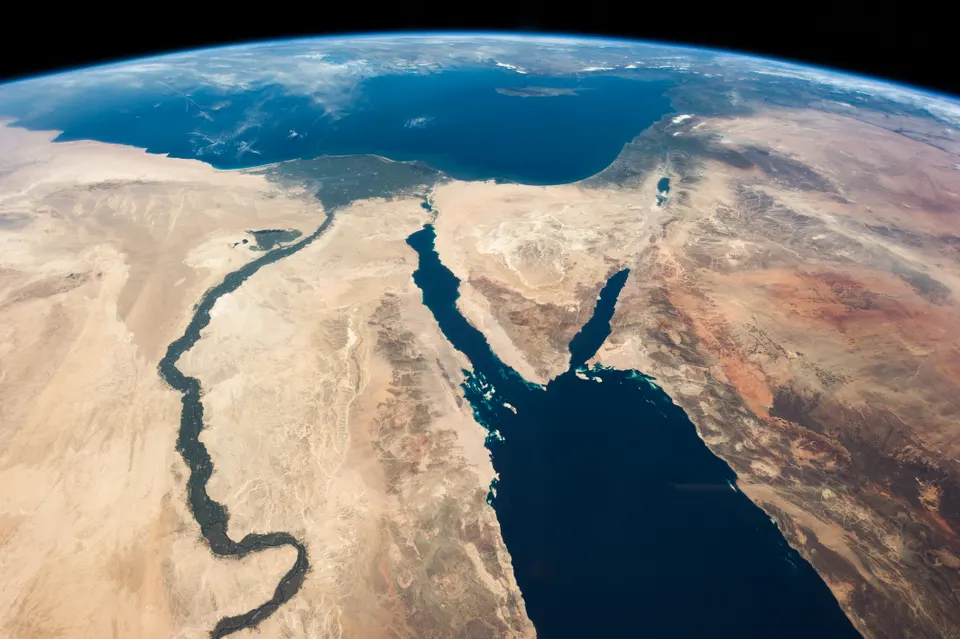
The Yemeni Houthi movement, closely aligned with Tehran, has significantly escalated regional tensions by threatening a partial blockade of Israeli shipping in the Red Sea. This move marks a strategic shift from sporadic drone and missile attacks to a more structured attempt at strangling maritime supply routes. The group stated that any vessel linked to Israeli interests would be targeted if the current conflict does not reach a resolution favorable to their regional objectives. For the global economy, this represents a major threat to the Suez Canal transit route, which accounts for nearly 12% of global trade.
For Iranian observers, this escalation is a double-edged sword. While it demonstrates the reach of the "Axis of Resistance," it also invites further Western naval presence in the region and risks tightening the economic noose around regional trade. The threat comes at a time when the Strait of Hormuz remains a focal point of anxiety. If the Red Sea becomes impassable for certain fleets, the resulting spike in insurance premiums and shipping costs will inevitably trickle down to Iranian consumer markets, potentially offsetting the recent stability seen in the currency exchange rates.
Diplomatic Maneuvering: The Trump Factor and the 14-Point Proposal
In a surprising turn of events, both Tehran and Jerusalem appear to be pulling back from the brink of a full-scale regional war. Reports indicate that Prime Minister Benjamin Netanyahu has refrained from further retaliatory strikes against Iranian assets, allegedly under direct pressure from the Trump administration. Simultaneously, Iranian officials have signaled that their latest round of strikes has concluded. This temporary de-escalation is being attributed to a new "14-point proposal" accepted by Donald Trump as a basis for negotiations. Analysts suggest that by accepting this framework, Trump has effectively handed the political initiative to Tehran, allowing for a broader discussion that links regional security, sanctions relief, and maritime stability.
This shift from military exchange to diplomatic posturing has had an immediate, albeit modest, impact on market sentiment. The realization that neither side currently desires a total war has provided a brief window of relief for the Iranian Toman. However, the situation remains volatile; while the IRGC and IDF have paused direct fire, the rhetoric remains sharp. The diplomatic path forward is fraught with obstacles, particularly as the Trump administration seeks to balance its "maximum pressure" legacy with a newfound desire for a legacy-defining Middle East peace deal before the upcoming US election cycle intensifies.

Market Snapshot: USD and Gold Cool Amidst Energy Anxiety
The Iranian markets have responded to the day's geopolitical developments with a cautious downward correction. The US Dollar (USD) in the open market moved from 178,400 to 177,150 Toman, representing a decrease of 0.7% over the last 24 hours. Similarly, Gold 18k followed suit, dropping from 18,683,918 to 18,586,038 Toman per gram (-0.5%), while the Emami coin fell from 184,000,000 to 183,000,000 Toman (-0.5%). This cooling reflects a reduction in the "war premium" that had been priced into assets over the weekend, as traders pivot from panic buying to a wait-and-see approach regarding the reported ceasefire negotiations.
Despite the domestic cooling, global energy indicators suggest long-term concerns. China’s LNG imports have hit their highest point since the regional conflict began, as Beijing aggressively stockpiles energy to hedge against potential disruptions in the Strait of Hormuz. With Chinese state-controlled giants replacing lost Qatari volumes, the global competition for liquefied natural gas is intensifying. For Iran, this means that while the currency might see short-term relief from de-escalation, the broader economic environment remains tied to a high-risk energy landscape where any sudden closure of transit routes could send prices skyrocketing once again.
Frequently Asked Questions
How will the Houthi Red Sea blockade affect the Iranian economy?
What is the 14-point proposal mentioned in the news?
Why is China increasing its LNG imports during the Iran conflict?
Maritime Chokepoints: The Vulnerable Arteries of Global Trade
Maritime chokepoints are narrow channels or straits along busy sea lanes that are essential for international maritime trade. These geographical features, often just miles wide, serve as critical arteries for the movement of goods, especially energy supplies like oil and natural gas. Their strategic importance stems from the immense volume of global commerce that must pass through them; any disruption, whether due to conflict, piracy, or natural disaster, can have cascading effects on global supply chains, energy prices, and international security.
Two prime examples directly relevant to recent geopolitical tensions are the Strait of Hormuz and the Bab el-Mandeb Strait. The Strait of Hormuz, connecting the Persian Gulf to the Arabian Sea, is arguably the world's most important oil transit chokepoint, through which a significant portion of the world's seaborne oil and liquefied natural gas (LNG) passes daily. Similarly, the Bab el-Mandeb Strait, located between Yemen and Djibouti/Eritrea, is a vital gateway for shipping between the Mediterranean Sea (via the Suez Canal) and the Indian Ocean, making it crucial for global trade and energy transit to and from Europe and Asia.
The vulnerability of these chokepoints makes them flashpoints in regional conflicts. Threats of blockade, like those recently made by the Houthis in the Red Sea (near Bab el-Mandeb), or historical tensions around the Strait of Hormuz, underscore their fragility. Disruptions can lead to significant increases in shipping costs due to longer alternative routes, higher insurance premiums, and delays, ultimately impacting consumer prices and economic stability worldwide. Understanding these chokepoints is crucial for comprehending the broader geopolitical and economic ramifications of regional instability.